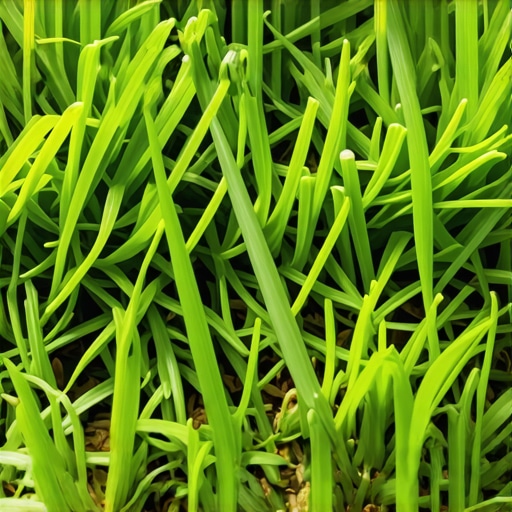
It was late afternoon when I finally took a good look at my yard after weeks of neglect. My freshly laid sod was looking patchy, uneven, and I could see tiny brown spots creeping across the surface. That’s when it hit me—those sneaky pests had been lurking right under my nose, sabotaging my sod before it even got a solid start. Have you ever faced that frustrating moment when your lawn doesn’t turn out as vibrant as you’d hoped, despite all your hard work? If so, you’re not alone.
The truth is, many homeowners overlook the tiny, almost invisible threats that can make or break a successful sod installation. Approaching your 2026 sod project without addressing these hidden pests is like building a house on shaky ground—you might think you’re preparing well, but unseen dangers can ruin everything in the end.
Today, I’m going to share my personal experience and guide you through the *7 most critical pests* to eliminate before your next sod install. These pests hide in the soil, sneak past your defenses, and if left unchecked, they can cause root damage, promote disease, and even lead to total lawn failure. I’ve learned from my early mistakes—mistakes I want to help you avoid.
First, let me clarify a common misconception. Many think pests are only a problem after the lawn is established. But some, like soil grubs and certain fungi, start causing damage well before you even see signs of trouble. And early intervention is the key to a thriving, lush lawn.
Just last year, I ignored signs of soil pests because I believed good grass seed and watering were enough. Spoiler: I was dead wrong. The pests I overlooked multiplied, and my lawn ended up patchy and weak. Once I discovered the hidden culprits, I realized that pest control isn’t just an afterthought—it’s part of your pre-sod prep routine.
To set a solid foundation for your 2026 lawn, I recommend paying close attention to your soil health and pest presence now, even if your project isn’t immediate. Preparing today with knowledge about these pests can save you weeks of trouble later. Want to learn the best strategies for pest prevention and soil health? You might find this article on root failure and soil issues enlightening—it’s packed with practical tips that align perfectly with what we’ll discuss.
So, are you ready to uncover the invisible enemies lurking in your yard and learn how to eliminate them? Because understanding and controlling these pests will set your sod up for success—and give you the vibrant, healthy lawn you’ve been dreaming of.
Title Your Soil Before Laying New Sod
Start with a thorough soil test to identify possible pest activity and nutrient deficiencies. Use a soil testing kit or professional service to get detailed results. Correct pH and nutrient imbalances before proceeding, as healthy soil is less hospitable to pests. This step is crucial; neglecting it often leads to root issues and pest proliferation later. For comprehensive soil correction tips, check out this detailed guide.
Apply Soil Treatments Strategically
Based on test results, apply targeted soil treatments such as organic compost, beneficial nematodes, or inorganic soil sterilizers. For example, if grubs are detected, treat with appropriate insecticides or natural predators to eliminate larvae. Timing is key—apply treatments two to three weeks before sod laying to allow residues to diminish. I remember a time I used nematodes in late summer; within days, soil was free of turf pests, leading to faster sod rooting and lush growth. This proactive step shields your lawn from pest invasion.
Improve Soil Drainage and Aeration
Ensure your soil drains well and isn’t compacted—both conditions favor pests like fungi and grubs. Use a garden fork or an aerator to loosen compacted soil, enhancing oxygen flow to roots. After aeration, incorporate organic matter or sand to improve permeability, which discourages pests and disease. In my experience, a session of aeration combined with topdressing significantly reduced pest presence and promoted healthy sod establishment, avoiding the common pitfall of soggy, pest-infested soil. To learn more about soil aeration remedies, visit this article.
Use Mulch and Cover Crops to Prevent Pest Return
Once your soil is prepped and treated, apply a layer of organic mulch around the new sod edges or plant cover crops temporarily. Mulch suppresses weed growth, reduces soil erosion, and deters soil-borne pests—think of it as natural armor. Cover crops, like clover or peas, can fix nitrogen and crowd out pests’ habitats. I once layered straw around freshly planted sod, and it helped keep the soil moist and pest-free during critical rooting phases. This ongoing protection ensures pests don’t re-infest your lawn, saving you hassles later on.
Implement Regular Monitoring and Maintenance
After installation, regular soil inspections are vital. Use simple soil moisture sensors or perform visual checks for pest activity, such as tunnels or chewed roots. Maintain proper irrigation to avoid creating damp environments favored by fungi and grubs—overwatering is often a silent pest magnet. Early detection enables prompt action, preventing minor issues from becoming major disasters. Remember, maintaining soil health is an ongoing effort, not a one-time fix. For maintenance routines, consider consultations or guides like this expert resource.
While many homeowners believe they know the basics of landscaping, irrigation, and sod installation, there are several misconceptions that can sabotage success if not addressed properly. For example, a prevalent myth is that more water always leads to healthier grass. In reality, overwatering can suffocate roots and foster fungal diseases, which is why understanding your soil hydration needs is crucial. Learning to interpret soil moisture levels correctly and integrating smarter irrigation systems can make a significant difference—see this guide for advanced tips.
Another mistake is assuming that applying fertilizer alone can compensate for poor soil conditions. Many overlook the importance of soil health and structural nuances that influence root development. Without addressing underlying issues like pH imbalance or compaction, even the best fertilizers won’t establish a thriving lawn. A soil test can reveal these hidden problems, as highlighted in this article, which emphasizes targeted soil improvements over generic fertilization.
Casual yard cleanup is also often underestimated. Many think that a quick raking and pruning will suffice before planting sod, but neglecting proper site preparation—like leveling uneven areas and addressing drainage—can lead to persistent patchiness or water pooling issues. The difference is subtle but impactful; thoroughly preparing your site sets a foundation for successful sod rooting and long-term health. For a detailed step-by-step process, consider the practical tips outlined in this comprehensive yard cleanup guide.
Now, let’s consider an advanced question that often puzzles experienced landscapers:
How does soil microbiome health influence sod establishment and pest resistance?
Recent studies suggest that a vibrant soil microbiome enhances nutrient uptake, boosts plant immune responses, and suppresses pathogenic soil microbes. This means that fostering beneficial microbes through organic amendments and reduced chemical use can improve sod survival rates and reduce pest outbreaks without relying solely on pesticides. Recognizing this nuanced aspect of soil management is key—especially when aiming for sustainable, low-maintenance lawns. For more insights on soil biology and lawn resilience, check out this resource.
Have you ever fallen into this trap? Let me know in the comments. The devil is in the details, and understanding these hidden nuances can elevate your landscaping from ordinary to expert level.
Keeping Tools Sharp and Reliable
Investing in quality, durable tools is the foundation of effective yard maintenance. I personally rely on a high-carbon steel pruning shear because its edge stays sharper longer, reducing fatigue and ensuring clean cuts that promote healthy growth. For larger projects, a gas-powered tiller from reputable brands like Troy-Bike offers impressive torque and longevity, making soil aeration and preparation more efficient. Regular maintenance of these tools, including blade sharpening, cleaning, and oiling, extends their lifespan and guarantees consistent performance. Think of your tools as the extension of your hands—keep them in top shape, and your work will look polished and professional.
The Value of Aeration and Soil Testing
To sustain a lush lawn, routine aeration is critical. I recommend using a core aerator designed with staggered tines to remove soil plugs effectively, relieving compaction and improving water and nutrient absorption. Before aerating, conducting a soil test with a reliable kit or professional service reveals pH imbalances and nutrient deficiencies, guiding targeted amendments. Maintaining soil health over time involves scheduled testing—typically annually—and seasonal aeration, especially in high foot traffic areas. This proactive approach helps prevent issues like thatch buildup and root stress, ensuring your turf remains resilient and vibrant.
Smart Irrigation Management Devices
Implementing smart irrigation controllers has transformed my approach to yard watering. Devices like soil moisture sensors and Wi-Fi-enabled timers automate watering schedules based on real-time conditions, conserving water and avoiding overmoistening—a common pest and disease contributor. I personally use a sensor that communicates with my smartphone, triggering watering cycles only when soil dryness surpasses set thresholds. This precision reduces waste and cuts utility bills significantly. As technology advances, integrating AI-driven irrigation systems is becoming more accessible, promising even greater efficiency and ease of use in the future. For tips on upgrading your system, check out this resource.
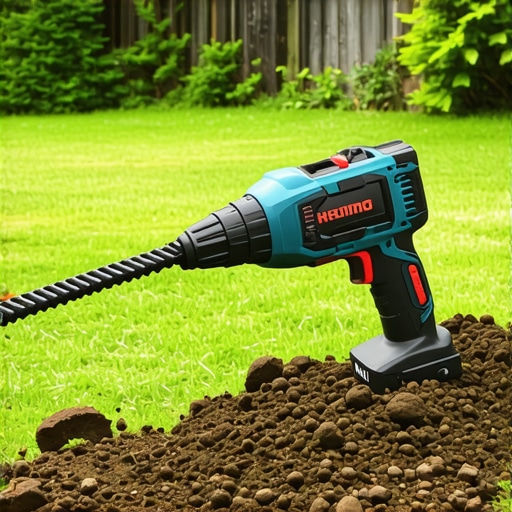
Milwaukee’s M18 FUEL Cordless Compact Demolition Hammer
This powerful cordless tool is ideal for breaking up stubborn, compacted soil or old concrete patches without the hassle of cords or compressors. Its lightweight design and ergonomic grip make it perfect for repetitive use during yard renovation projects, enabling detailed excavation work with minimal fatigue. Investing in such equipment pays off by dramatically reducing project time and improving the quality of soil preparation, which directly impacts sod health and pest prevention. As I see it, future landscaping tools will increasingly utilize smart, battery-powered technology for versatility and sustainability—an evolution you should start adopting now.
How do I keep maintenance routines effective over time?
Consistency is key. Set bi-monthly check-ins for your tools, spread out the workload to prevent burnout, and keep detailed logs of maintenance tasks. Using software or planner apps to schedule these routines ensures nothing slips through the cracks. Remember: a well-maintained toolkit translates to better results and fewer surprises during critical projects. As soil and plant health are ongoing concerns, integrating soil testing and soil health practices into your regular maintenance ensures your yard stays resilient. For proven methods, see this cornerstone article. Now, I challenge you to try one advanced tip today—perhaps calibrate your smart irrigation sensor or sharpen your pruning shears—and witness immediate improvements in your landscape maintenance. Your lawn will thank you!
What Game-Changing Secrets Did I Overlook Early On?
One of the most profound lessons I learned was that soil health and pest management are twin pillars of successful sod installation. In my initial projects, I underestimated how quickly pests like grubs and fungi could derail my lush plans—most problems stemmed from ignoring soil testing and preventative treatments. Now, I make it a point to evaluate soil microbiome health and apply beneficial microbes or targeted soil amendments, which have dramatically improved rooting and resilience. This realization shifted my entire approach—before planting, I ensure the soil isn’t just fertile but also balanced against pests that often hide beneath the surface.
Why Relying Solely on Fertilizer Is a Mistake
Early in my journey, I thought that fertilization alone could fix any soil weakness. I was wrong. Nutrient deficiencies and pH imbalances often mask deeper issues like compaction or microbe imbalance, which fertilizer can’t fix alone. A soil test from a trusted source can guide you to precise amendments, significantly increasing sod survival rates. Supplemented with organic compost and microbial boosts, I found my lawns turned greener and grew faster, with fewer pest issues—proof that a holistic soil strategy outperforms generic fertilization.
The Power of Effective Soil Preparation
Initially, I skipped thorough site prep, assuming sod could cover minor unevenness or drainage problems. That was a costly mistake. Proper leveling, aeration, and drainage fixes like installing catch basins or adjusting slope angles create a stable foundation. After adopting these steps, I saw improved root establishment and less disease, making my sod more resilient. It’s like building a house on firm ground—initial effort pays off in a lush, trouble-free lawn that withstands pests and weather swings.
Strategic Pest Prevention: My Real Turnaround
Introducing proactive pest control measures before planting was a game-changer. I began treating the soil with organic nematodes and soil sterilizers, which kept pests at bay during critical rooting phases. Coupled with mulch barriers and cover crops, these methods formed an invisible shield, reducing my need for chemical interventions later. This comprehensive pest management approach, especially when combined with ongoing monitoring, minimizes surprises and maximizes sod longevity. It’s an investment in peace of mind, knowing you’re working with nature rather than against it.
Harnessing Technology for Yard Mastery
One of the most overlooked advantages is utilizing smart irrigation and soil testing tools. Devices like Wi-Fi-enabled moisture sensors have allowed me to water precisely when needed, avoiding overwatering that fosters pests and fungal diseases. Regularly calibrating and maintaining these tools ensures they function optimally. Investing in such tech transforms yard care from guesswork into a science—saving water, money, and time while promoting healthy sod growth. To start upgrading, explore recommendations on smart irrigation improvements.
My Toolbox for Lawn Success
Quality tools make all the difference. I rely on high-quality pruners, aerators, and soil testers—tools that have stood the test of time and made my work less tedious. Regular maintenance, like sharpening blades and cleaning equipment, ensures optimal performance. For larger projects, I use cordless, battery-powered tillers and demotion hammers to prepare soil efficiently. Having the right tools, maintained and ready, accelerates project timelines and improves results—ultimately leading to a healthier landscape that’s less vulnerable to pests and environmental stressors.
What Landscapers Don’t Tell You That Could Save Your Lawn
One secret I’ve uncovered is that many common practices—such as overwatering, neglecting soil tests, or skipping site prep—are the root causes of lawn failure. Myth-busting these misconceptions has freed me from costly missteps. Recognizing the importance of soil health, microbe diversity, and pre-plant pest control can save you months of frustration. It’s about working smarter, not harder, and designing a landscape that’s resilient from the ground up. For a detailed breakdown of common mistakes, refer to this cornerstone guide.
Embark on Your Lawn Revival Today
Remember, every successful lawn begins with a solid plan grounded in soil health and pest prevention. Embrace these lessons, leverage the right tools and technology, and stay proactive in your care routines. A lush, pest-resistant lawn isn’t an accident—it’s the result of smart strategies executed consistently. So, take the first step today, and watch your yard transform before your eyes. Your future self will thank you for the healthy, vibrant landscape you’ve nurtured.
Reading this post really opened my eyes to how much soil health impacts sod success. I once planted new grass without thorough soil testing and ended up battling pests and poor rooting. Since then, I’ve learned that proactive measures like beneficial nematodes and proper aeration can make a massive difference. I especially appreciate the emphasis on early intervention, as it often gets overlooked. Has anyone had success with organic methods to control pests before laying sod? I’m curious about experiences with cover crops or mulching as natural deterrents, especially in smaller yards. Understanding these hidden pests and strategies definitely seems crucial for ensuring a vibrant, long-lasting lawn. If you’re planning a big project, I recommend starting with a good soil test—it’s a step that can save so many headaches later on.