
The Anatomy of a Dying Fescue Lawn
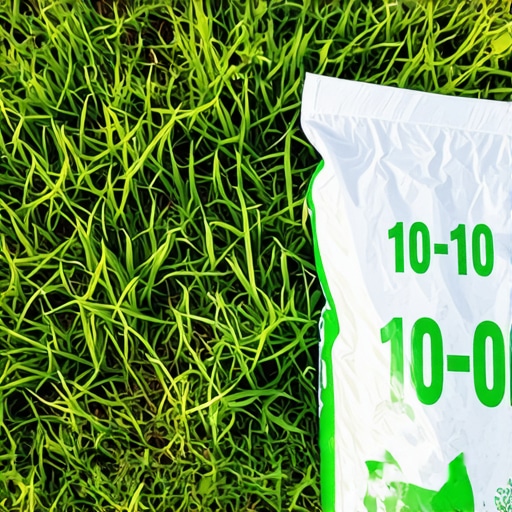
Yellowing fescue patches usually indicate nitrogen deficiency, heat stress, or fungal pathogens like brown patch. To fix this, you must analyze soil pH and apply a balanced 10-10-10 fertilizer to replenish macro-nutrients while ensuring the root zone has adequate irrigation and drainage. I see it every season: homeowners staring at a sea of straw-colored fescue, wondering where they went wrong. Most of the time, the problem is not just what they did, but what they failed to do before the first bag of fertilizer ever touched the spreader. A homeowner called me in a panic after they completely torched their front lawn by applying three times the recommended rate of high-nitrogen salt-based fertilizer during a 90-degree heatwave. The grass was not just yellow; it was chemically mummified. They had skipped the critical yard cleanup and irrigation audit, leaving the fertilizer to sit on a thick layer of thatch that acted like a hydrophobic sponge. The result was a catastrophic soil burn that required a full sod install to remediate. This is the forensic reality of turf management: you cannot fertilize your way out of poor soil physics. Fescue is a cool-season bunching grass that requires deep root structures to survive the transition into the 2026 season. When you see yellowing, you are seeing the plant’s inability to process chlorophyll, often because the nitrogen is locked in the soil or the roots are suffocating from soil compaction.
“Turfgrass health is primarily dictated by the availability of nitrogen, phosphorus, and potassium within the top six inches of the soil profile.” – University of Maryland Extension Service
How long does it take for 10-10-10 fertilizer to work on yellow grass?
Visible results from a 10-10-10 fertilizer application typically appear within 7 to 14 days, provided there is sufficient irrigation to move the nutrients into the rhizosphere. Nitrogen provides the rapid green-up, while phosphorus and potassium support the underlying cellular structural integrity and drought resistance. Do not expect an overnight miracle. The plant needs time to metabolize the minerals. If you don’t see a change in two weeks, your soil pH is likely outside the 6.0 to 7.0 range, which effectively locks the nutrients in the soil where the plant cannot reach them. This is the difference between a professional landscaping approach and a DIY guess. We measure the Cation Exchange Capacity of the soil to understand how well it holds onto these nutrients. In heavy clay soils, the 10-10-10 hack works well because the clay particles are negatively charged and hold onto the positively charged ammonium and potassium ions. In sandy soils, the nutrients often wash straight through, necessitating a slow-release approach or more frequent, lighter applications. You must also consider the thatch layer. If you have more than half an inch of dead organic matter between the green blades and the soil, your fertilizer is just feeding the fungus. A thorough yard cleanup involving power raking or vertical mowing is non-negotiable before you start your 2026 nutrient program.
How much modified gravel do I need for a patio base?
For a standard paver patio, you need a minimum of 4 to 6 inches of compacted modified gravel (often called 2A modified or CR6) to ensure structural stability and hydrostatic drainage. To calculate the volume, multiply the square footage by the desired depth in feet, then divide by 27 to get cubic yards, and finally multiply by 1.5 to account for compaction. While this might seem unrelated to your lawn, the drainage from your hardscapes often causes the very yellow patches you are trying to fix. If your patio doesn’t have a proper French drain or a 1 percent slope away from the turf, the runoff will drown the fescue roots, leading to anaerobic soil conditions and root rot. Water management is a holistic system. You cannot have a healthy lawn next to a poorly engineered hardscape. The water will pool, the soil will sour, and no amount of 10-10-10 will save a plant that is literally drowning in its own footprint.
| Nutrient Type | Role in Fescue Health | Deficiency Symptom | 10-10-10 Impact |
|---|---|---|---|
| Nitrogen (N) | Chlorophyll production | Pale yellowing, slow growth | Rapid green-up |
| Phosphorus (P) | Root development | Purple tinting, weak stems | Structural support |
| Potassium (K) | Drought/Disease resistance | Firing of leaf margins | Hardiness boost |
The Step-by-Step 2026 Fescue Remediation Checklist
- Soil Test: Verify pH is between 6.0 and 7.0 before applying any chemicals.
- Yard Cleanup: Remove all debris and mechanically dethatch if the layer exceeds 0.5 inches.
- Core Aeration: Pull 3-inch plugs to alleviate soil compaction and improve oxygen exchange.
- Calibration: Ensure your spreader is set to deliver exactly 1 pound of Nitrogen per 1,000 square feet.
- Irrigation: Water in the fertilizer with 0.5 inches of water immediately after application to prevent leaf burn.
- Mowing Height: Keep fescue at 3.5 to 4 inches to shade the soil and reduce evaporation.
Applying fertilizer without a plan is just expensive compost. You need to understand the nitrogen cycle. When you drop 10-10-10 on the ground, the urea begins to break down into ammonium. If the soil is too hot or the irrigation is insufficient, that nitrogen escapes into the atmosphere as ammonia gas. This is called volatilization. You are literally throwing money into the air. Professional landscaping crews know to time their applications with the weather. We look for a window where the temperature is below 80 degrees and a light rain is expected, or we bring in our own water. If you are doing a sod install to patch the yellow areas, remember that the new sod has its own nutrient requirements. You cannot just slap a piece of fescue on top of compacted red clay and expect it to knit. You have to scarify the base, add a starter fertilizer, and ensure soil-to-soil contact. Anything less is a waste of time. Your irrigation system must be checked for head-to-head coverage. Brown patches are often just dry patches in disguise. Take a screwdriver and poke it into the yellow areas. If it doesn’t slide in like butter, you have a compaction or dehydration issue that no bag of fertilizer can fix.
“A retaining wall doesn’t fail because of the stone; it fails because of the water trapped behind it.” – Hardscape Engineering Axiom
The same logic applies to your turf. Your fescue doesn’t fail because of the grass seed; it fails because of the micro-climate you have created. Fix the drainage, fix the soil structure, and then use the 10-10-10 fertilizer hack as the finishing touch to bring back that deep forest color. It will rot if you don’t. Don’t skip the prep work. 2026 will be a harsh year for those who rely on cheap tricks instead of solid agronomy. Get your hands in the dirt and check the roots. If they are white and fleshy, you are on the right track. If they are brown and slimy, put the fertilizer away and start digging. You have a drainage problem that needs an engineer, not a gardener.