
The Forensic Autopsy of a Dying Lawn
Soil pH is the logarithmic measurement of hydrogen ions in your substrate, determining whether your turfgrass can physically absorb nutrients. If your pH is off, you can dump tons of fertilizer on it, but the roots will remain starved and chemically burned. I have walked onto countless properties where the grass looks like a patchy, yellowed crime scene, and the culprit is almost always a blind application of store-bought chemicals that ignored the underlying soil chemistry. You cannot manage what you do not measure. Most homeowners treat their yard like a decorative rug rather than a living, breathing biological filter. When the irrigation kicks on, it should be hydrating a healthy ecosystem, not washing away expensive nitrogen that the plants can’t even process because the soil is too acidic or too alkaline.
A homeowner called me in a panic last spring after they completely torched their front lawn by applying three times the recommended amount of pelletized lime. They thought they were being proactive. Instead, they spiked the pH to nearly 8.5, locking out iron and manganese and turning their sod install into a brittle, chlorotic mess. The grass was literally starving in a sea of nutrients it couldn’t touch. This chemical nightmare is the result of ‘big box’ advice that treats soil like a blank slate rather than a complex matrix of minerals and microbes. We had to perform a massive yard cleanup just to reach the soil surface, then use organic sulfur and heavy aeration to even begin the remediation process. It was a $5,000 mistake that could have been avoided with a $20 soil test and some patience.
“The availability of macronutrients and micronutrients is directly governed by the pH of the soil solution, with most becoming restricted outside the 6.0 to 7.0 range.” – Pennsylvania State University Agricultural Extension
Why Soil pH is the Foundation of All Landscaping
The soil pH scale dictates the solubility of minerals, meaning it determines if your landscaping efforts will thrive or rot in the ground. At a pH below 5.5, aluminum becomes toxic to many plants, while at a pH above 7.5, phosphorus and iron become chemically bound to the soil particles and unavailable to the roots. This is why you see iron chlorosis in high-alkaline areas; the iron is there, but the plant is physically locked out from drinking it. You are fighting physics, and you will lose every time if you don’t address the base chemistry first. Real landscaping is about managing the rhizosphere, not just the visible foliage.
How do I test soil pH at home for free?
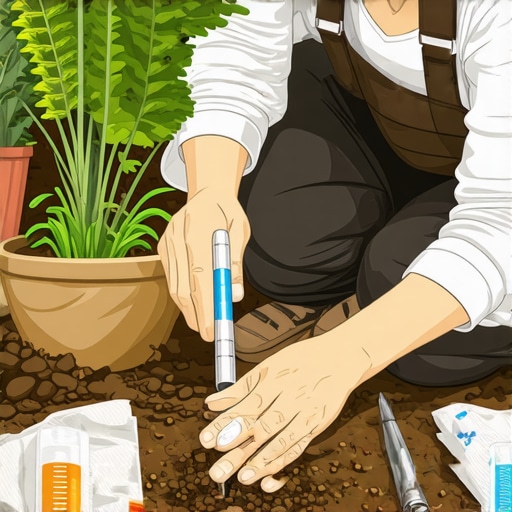
You can perform a basic soil pH test using household vinegar and baking soda to determine if your soil is significantly acidic or alkaline. Take two samples of dry soil in jars; add vinegar to one, and if it fizzes, your soil is alkaline. Add a mixture of distilled water and baking soda to the other; if it fizzes, your soil is acidic. While this won’t give you a precise number, it tells you which direction you need to move before starting a sod install. For professional results, always send a sample to a local university extension office. They provide the Cation Exchange Capacity (CEC) data you actually need to calculate amendment rates. [IMAGE_PLACEHOLDER]
Natural Amendments for Lowering Soil pH
To lower soil pH without harsh chemicals, you must introduce acidic organic matter like sphagnum peat moss, elemental sulfur, or composted oak leaves into the top six inches of the soil profile. These materials work through biological oxidation, where soil bacteria convert the sulfur or organic compounds into mild sulfuric acid over time. It is a slow process, but it is far more stable than dumping a bag of chemical acidifier. If you are prepping for a sod install, tilling in two inches of peat moss can drop your pH by a full point over a single season while simultaneously improving water retention and aeration.
| Amendment | Action | Impact on pH | Best Use Case |
|---|---|---|---|
| Elemental Sulfur | Biological oxidation | Lowers (Acidifies) | High-alkaline clay soils |
| Sphagnum Peat | Physical mix-in | Lowers (Acidifies) | Sandy loam or flower beds |
| Wood Ash | Mineral deposition | Raises (Alkalizes) | Acidic, calcium-deficient turf |
| Finished Compost | Buffering agent | Stabilizes | General yard cleanup and prep |
Raising Soil pH with Organic Waste
If your soil is too acidic, which is common in areas with high rainfall and pine forests, you can use wood ash from your fireplace as a natural alternative to crushed limestone. Wood ash contains high amounts of calcium carbonate and potassium, which react with the soil to neutralize acidity. However, you must be careful; wood ash is highly soluble and can spike the pH too quickly if over-applied. I recommend no more than 20 pounds per 1,000 square feet per year. This turns a waste product from your yard cleanup into a high-value soil amendment that saves you a trip to the hardware store.
What is the best way to lower soil pH naturally?
The most effective natural method for lowering soil pH is the application of elemental sulfur combined with core aeration to ensure the sulfur reaches the active root zone. Bacteria like Thiobacillus will slowly oxidize the sulfur, releasing hydrogen ions that lower the pH over several months. This method mimics the natural decay cycle and avoids the salt buildup associated with synthetic aluminum sulfate or ammonium sulfate products. It is the gold standard for long-term landscaping health and sustainability.
“Soil pH does not just change; it resists change through a process called buffering capacity, which is highest in soils with high clay and organic matter content.” – Agronomy Manual for Professional Turf Managers
The Role of Irrigation and Drainage in Soil Chemistry
Your irrigation system is a silent driver of soil pH, often depositing calcium and magnesium carbonates that slowly turn your soil alkaline over several years. If you use well water, you are essentially liquid-liming your lawn every time you water. Poor drainage also leads to anaerobic conditions where organic matter rots instead of composting, creating pockets of extreme acidity that kill off beneficial microbes. When we design a landscaping plan, we look at the slope and the perk rate of the soil. If water sits, the pH shifts, and the roots die. You need deep, infrequent watering to flush excess salts and maintain a stable chemical environment.
- Step 1: Conduct a professional soil test to determine baseline pH and CEC.
- Step 2: Clear all debris during a yard cleanup to expose the soil surface.
- Step 3: Apply organic amendments like sulfur or wood ash based on test results.
- Step 4: Use core aeration to incorporate amendments into the root zone.
- Step 5: Adjust irrigation schedules to prevent salt buildup and promote deep rooting.
- Step 6: Re-test every 12 months to monitor the shift in chemistry.
Maintaining the Balance: The Long Game
Soil chemistry is not a one-and-done project; it is a management cycle that requires constant observation. Once you achieve that perfect 6.5 pH, you have to defend it. This means using mulched grass clippings to return nutrients to the soil and avoiding the high-salt fertilizers sold in big-box stores. Those salts kill the very bacteria that help regulate pH naturally. A healthy lawn should be self-regulating. If you have done your landscaping correctly, the soil biology does the heavy lifting for you. You are the conductor, not the laborer. Stop fighting the dirt and start working with the biology that has been there for millennia. Your grass will thank you with deeper roots and better drought resistance. It is that simple. Don’t skip the testing. Don’t guess. Measure.