
The Biological Reality of Poison Ivy Eradication
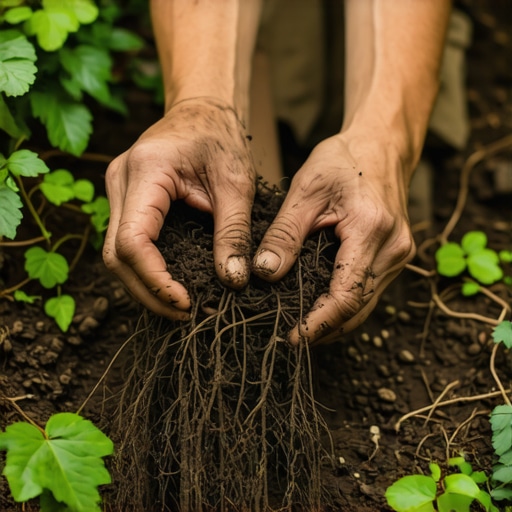
Getting rid of poison ivy roots without chemicals requires mechanical extraction of the primary rhizome and the removal of secondary root hair systems located within the first 6-12 inches of topsoil. Utilizing physical barriers and heavy-duty yard cleanup techniques ensures the urushiol oil does not re-contaminate the site during the process.
I always drill into my new crew members: if you don’t fix the soil grading first, every plant you put in the ground is just expensive compost. The same logic applies to invasive species like Toxicodendron radicans. You can’t just hack at the surface and hope for the best. I recently saw a crew try to weed-whack a patch of poison ivy near a drainage swale. It was a disaster. They atomized the urushiol oil, sending it into their lungs and across the entire job site. We spent three days decontaminating the equipment with Tecnu. If you don’t understand the engineering of the root system, you are just moving the problem around. You have to treat the root as a structural component of the soil that needs surgical extraction.
The Anatomy of an Infestation: Why Surface Cutting Fails
Poison ivy is a master of subterranean colonization. It utilizes a network of adventitious roots and woody rhizomes that can travel thirty feet from the mother plant. When you cut the vine at the surface, you trigger a hormonal response in the root system that stimulates dormant buds. This is not gardening; this is biological warfare. To win, you must understand the hydrostatic pressure within the plant and how it stores energy in its root flare. We measure success by the poundage of root mass extracted, not the visual clearance of the leaves. If you leave a two-inch segment of a healthy rhizome in loose, loamy soil, you will have a new plant within fourteen days.
“Successful management of poison ivy (Toxicodendron radicans) requires the complete removal of the root system or the continuous depletion of the plant’s carbohydrate reserves through repeated mechanical stress.” – Penn State Department of Plant Science
How do you kill poison ivy roots without vinegar?
While DIY blogs love to talk about vinegar, it only burns the foliage. To kill the roots, you must use excavation or solarization. Use a sharp spade to cut a perimeter twelve inches outside the visible vine. This severs the lateral runners. Then, use a mattock to pry the root ball from the earth. This physical removal is the only way to ensure the urushiol oil is actually gone from your property rather than just dormant. Vinegar does nothing to the oil; it only desiccates the leaf.
The Operational Lane: Mechanical Extraction and Soil Remediation
When we approach a yard cleanup involving heavy poison ivy, we don’t start with tools. We start with a plan for the biomass. You cannot burn this material. Burning poison ivy releases urushiol in the smoke, which can cause severe internal reactions. You need a designated disposal zone or heavy-duty contractor bags. We often recommend a sod install immediately following extraction. By stripping the top two inches of infested soil and replacing it with healthy turf, you create a biological canopy that prevents light from reaching any microscopic root fragments left behind.
| Method | Efficiency Rate | Physical Labor (1-10) | Soil Impact |
|---|---|---|---|
| Manual Extraction | 95% | 10 | High Disturbance |
| Sheet Mulching | 80% | 4 | Soil Enrichment |
| Goat Grazing | 60% | 1 | Nitrogen Boost |
| Boiling Water | 30% | 3 | Microbial Death |
What happens if you leave poison ivy roots in the ground?
Leaving roots in the ground ensures a perennial resurgence of the plant. The root system acts as a battery, storing starches that allow it to push through five inches of mulch or heavy clay. Furthermore, the urushiol oil remains active in dead roots for years. If a future contractor performs a sod install or repairs an irrigation line, they can still get a rash from touching a root that has been ‘dead’ for five seasons. Total removal is the only safety standard I accept on my job sites.
“Urushiol remains stable and allergenic even in dead plant tissue; therefore, all parts of the plant must be handled with extreme caution during removal and disposal.” – Texas A&M AgriLife Extension
The Engineering of a Permanent Solution: Irrigation and Competition
Once the roots are out, the soil is a vacuum. Something will grow there. This is where landscaping meets engineering. You need to establish a root system that is more aggressive than the ivy. We recommend a high-density sod install using a cultivar like TifTuf Bermuda or a thick fescue blend depending on your USDA zone. By setting up a smart irrigation schedule—deep watering twice a week to a depth of six inches—you encourage the grass roots to dive deep, out-competing any remaining ivy fragments for nutrients and water. Shallow watering is for amateurs. It keeps the surface moist and helps weed seeds germinate. Go deep or don’t water at all.
- Phase 1: Survey the area and mark all vines with flags.
- Phase 2: Don full PPE, including Tyvek suits and taped gloves.
- Phase 3: Sever the main vines at the base of trees using a bypass lopper.
- Phase 4: Excavate the root flare using a trenching spade.
- Phase 5: Screen the soil for any remaining white or tan rhizomes.
- Phase 6: Install a 4-mil geotextile fabric if the area will not be planted.
Professional Cleanup Protocols
Yard cleanup isn’t just about aesthetics; it’s about liability. When a client asks for landscaping after a poison ivy removal, we ensure all tools are cleaned with a specialized degreaser. Standard soap won’t cut it. Urushiol is a non-polar oil. You need a solvent. We also look at the grade. If the area where the ivy was removed is a low spot, it will collect moisture and favor the growth of new invasives. We often haul in three to five yards of clean screened topsoil to level the site before the final sod install. This isn’t just to make it look pretty; it’s to ensure proper drainage away from the property foundation. Don’t let a ‘mow-and-blow’ guy tell you otherwise. The soil structure is the foundation of your health and your home’s value. It will rot if you don’t drain it. Don’t skip the grading step.