
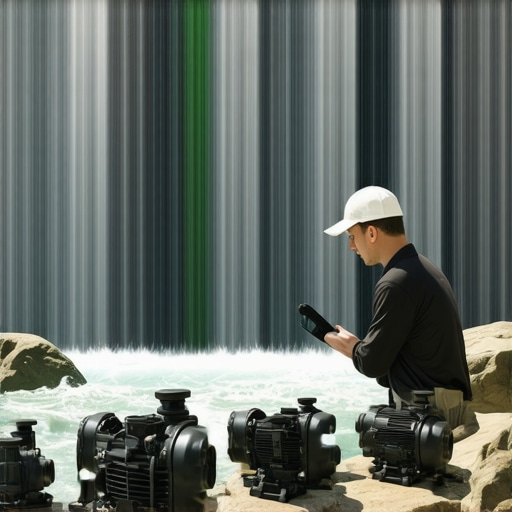
Calculating the Exact GPH and Head Pressure for a Permanent Waterfall
To choose the right pump size for your waterfall, you must calculate the Gallons Per Hour (GPH) required for your weir width (typically 1,500 GPH per linear foot) and add the Total Dynamic Head (TDH), which accounts for vertical lift and pipe friction. Failing to account for TDH will result in a weak trickle instead of a robust flow.
The Hardscape Autopsy: Why Most Waterfalls Fail in Year Two
I recently got called out to tear up a $30,000 patio that was sinking because the previous contractor failed to understand hydrostatic pressure and basin capacity. The waterfall pump was undersized for the lift, causing the homeowner to overfill the basin manually every day. This constant over-saturation compromised the compacted modified gravel base under the adjacent pavers. As the water leaked through an improperly sealed pond liner, it turned the subsoil into a slurry. The patio didnt just settle; it migrated. I had to excavate the entire feature, install a properly sized 5,000 GPH solids-handling pump, and rebuild the base with 2A modified stone, compacted in 4-inch lifts with a plate tamper. If you dont fix the engineering first, every plant you put in the ground is just expensive compost. This applies to your sod install and landscaping beds too. If your waterfall splashes out because the pump is too small to reach the weir correctly, you are essentially creating a swamp that will rot your grass roots and ruin your yard cleanup efforts.
Step 1: Determine Your Desired Flow Rate (GPH)
The volume of water moving over your spillway (the weir) determines the visual impact. For a standard backyard waterfall, the industry standard is 1,500 GPH per 12 inches of weir width. If you want a thin, glass-like sheet, you might drop to 1,000 GPH. If you want a roaring