
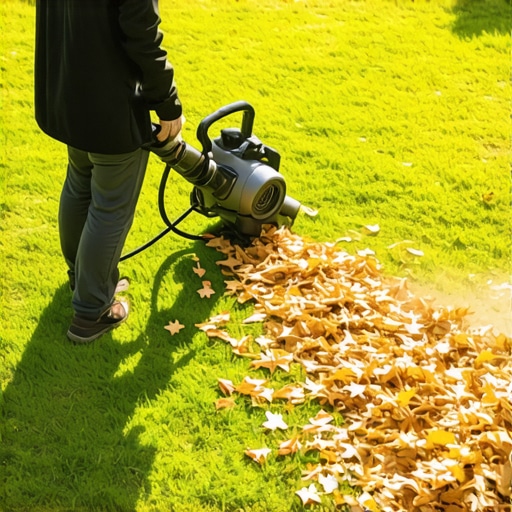
The Efficient Way to Manage Heavy Leaf Debris Without Manual Raking
To clear a season of leaf build-up without a rake, professionals utilize high-lift mulching mowers to pulverize organic matter into micro-fragments or industrial leaf vacuums for complete removal. This process prevents turf suffocation, maintains soil oxygenation, and preserves the biological integrity of the existing root system without the labor-intensive drag of manual tools.
I always drill into my new crew members: if you don’t fix the soil grading first, every plant you put in the ground is just expensive compost. The same logic applies to leaf management. Most homeowners see a blanket of brown and think it is a cosmetic issue. It is not. It is a biological blockade. When you let three inches of oak and maple leaves sit on your turf through a wet November, you are effectively creating a microbial death trap. I have spent twenty years watching perfectly good sod installs fail because someone thought leaves were ‘natural fertilizer’ in their whole form. They are not. They are a suffocating layer of carbon that invites snow mold and voles.
Why Traditional Raking Often Fails the Soil
Raking is not just slow; it is often counterproductive for high-end landscaping. Dragging metal tines across the soil surface can disrupt the crown of the grass and pull up shallow roots, especially in newly established lawns. When we handle a massive yard cleanup, we look at the C:N ratio (Carbon to Nitrogen). Whole leaves have a high carbon content. If they don’t break down, they tie up the nitrogen your grass needs to survive the winter.
“Dense leaf cover exceeding 10-20% of the turf area can lead to significant reduction in turfgrass quality and winter hardiness due to reduced light penetration and increased disease pressure.” – Purdue University Turfgrass Science
The Science of Mulching vs. Removal
Choosing between mulching and removal depends on the leaf volume and species type; mulching is ideal for moderate cover (under 2 inches) as it returns nutrients to the soil, while heavy accumulation requires vacuuming to prevent anaerobic conditions. Total removal is mandatory if the leaves are from allelopathic species like Black Walnut which inhibit growth.
If you are going the mulch route, you need the right gear. A standard mower blade won’t cut it. You need a G6 Gator blade or a dedicated mulching kit with a closed deck. This creates a vacuum within the mower housing, circulating the leaves through the cutting edge multiple times. The goal is to turn a 12-inch leaf into a 1/8-inch particle. These particles fall between the grass blades, reaching the soil surface where earthworms and microbes can actually process them. If you can still see the leaves after one pass, you aren’t done. Mow it again. Hard. It should look like someone peppered the lawn, not covered it.
How much leaf debris is too much for mulching?
If the leaf layer obscures more than 50% of the grass blades, mulching without a high-powered vacuum system will likely result in a thatch buildup that prevents irrigation water from reaching the roots. In these cases, we switch to a collection system. We use 30-horsepower debris loaders that can turn a mountain of leaves into a few cubic yards of densely packed mulch. This is how you handle a five-acre estate in a single afternoon.
Table: Leaf Management Strategy by Volume
| Leaf Depth | Strategy | Equipment Required | Soil Impact |
|---|---|---|---|
| 1-2 Inches | In-place Mulching | Mulching Mower (High Lift) | Adds Nitrogen/Organic Matter |
| 3-5 Inches | Mulch & Bag | Mower with Collection System | Prevents Thatch Matting |
| 6+ Inches | Industrial Vacuuming | Truck-Mounted Debris Loader | Protects Root Respiration |
Integrating Leaf Management with Irrigation and Sod Maintenance
Proper leaf management is a critical component of irrigation winterization and sod install protection because wet leaves trap excessive moisture around the sprinkler heads and the turf crown, leading to freeze-thaw damage. Clearing debris ensures that the soil can ‘breathe’ during the dormant season and prevents fungal pathogens from establishing a foothold.
Don’t ignore your irrigation system during the cleanup. Leaves love to clog up around pop-up heads. When the ground freezes, that trapped moisture expands. It will crack your nozzles. I’ve seen it a thousand times. We always blow out the lines after the bulk of the leaves are cleared to ensure no debris has entered the system.
“Surface drainage and the removal of organic debris are the primary cultural practices for preventing Pythium blight and other cold-weather fungal infections.” – Hardscape and Turf Management Standards
Master’s Yard Cleanup Checklist
- Inspect Soil pH: Large amounts of decomposing oak leaves can slightly acidify the top centimeter of soil; check if lime is needed.
- Clear Drainage Channels: Ensure leaves aren’t blocking French drains or swales.
- Calibrate Mower Height: Set the deck to 3 inches for the final mulching pass of the season.
- Edge the Hardscape: Clear the gap between the sod and the driveway to prevent ‘creeping soil’ from leaf rot.
- Check for Root Flares: Ensure leaves haven’t piled up against tree trunks, which causes bark rot and borer infestation.
How long can I leave leaves on my lawn before the grass dies?
Turf grass will begin to experience chlorosis (yellowing) and etiolation (weak, spindly growth) within 7 to 10 days of total leaf cover. If the leaves are wet and heavy, anaerobic decomposition starts even faster, potentially killing the grass crowns in under two weeks. Speed is essential to prevent permanent damage to a recent sod install.
Does mulched leaf debris cause thatch?
No, properly pulverized leaf debris does not contribute to thatch; thatch is composed of lignin-rich grass roots and stems, whereas leaf tissue is primarily cellulose which breaks down rapidly. However, if the pieces are too large, they create a physical mat that mimics thatch by blocking air and water infiltration. This is why a high-quality mulching blade is non-negotiable.
Proper landscaping isn’t about making things look pretty for a weekend. It is about managing a biological system. When you skip the rake and use professional mulching or vacuuming techniques, you are investing in the long-term health of your soil. It is faster. It is smarter. And it stops your yard from becoming a soggy, fungal mess by March. Stick to the measurements, watch your pH, and keep your blades sharp. That is how you manage a property like a pro.