
The Engineering of Yard Cleanup: Why Most Property Owners Fail
To shred 2026 brush piles without a chipper, professional landscapers use high-torque flail mowers, trench composting, or hugelkultur techniques to accelerate the lignin breakdown of woody debris. These methods focus on increasing the surface area of the organic matter to promote microbial colonization and soil health without the logistical burden of heavy machinery rentals.
I always drill into my new crew members: if you don’t fix the soil grading first, every plant you put in the ground is just expensive compost. I remember a job three years ago where a homeowner tried to hide a massive brush pile under six inches of fill dirt right before a sod install. Within eighteen months, the soil subsided three feet because the anaerobic rot created a massive subterranean cavern. You do not hide the debris; you process it. In the high-end landscaping world, we view a brush pile not as trash, but as a complex carbon lock. Every branch, from the 1/4-inch twigs to the 4-inch limbs, contains cellulose and lignin structures that are basically biological rebar. If you simply stack them, you create a fire hazard and a haven for rodents. If you process them correctly using the methods I am about to detail, you turn that waste into a soil amendment that will fuel your irrigation efficiency and plant growth for a decade.
“The decomposition of woody materials is limited by the accessibility of cellulose and hemicellulose protected by the lignin matrix, requiring mechanical disruption to increase microbial access.” – Agricultural Extension Agronomy Manual
The Mechanical Breakdown: Processing Without Industrial Chippers
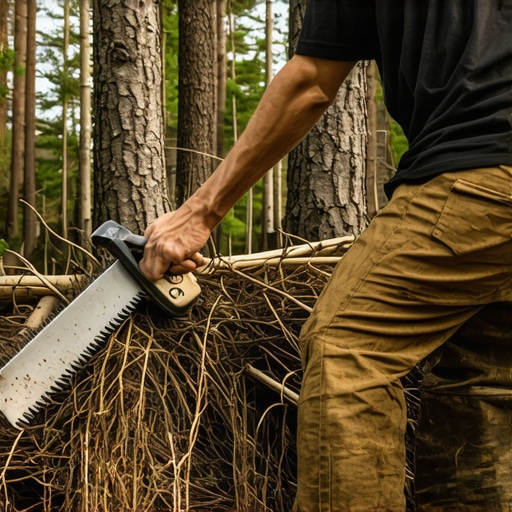
To effectively process woody debris, you must focus on the mechanical reduction of volume through strategic cutting and crushing. While a 100-horsepower wood chipper is the standard, a high-torque brush mower can handle material up to 1.5 inches in diameter if handled with professional technique. The key is the impact force. By running a flail mower over dried brush, you are not just cutting; you are shattering the vascular bundles of the wood. This shattering allows moisture to penetrate the inner core of the branch, which is the primary catalyst for fungal decomposition. For larger limbs, we use the stratified stacking method. We lay the heaviest logs at the bottom of a trench, followed by smaller branches, then leaf litter. This creates a vertical gradient of density that manages hydrostatic pressure and prevents the soil from collapsing as the organic matter breaks down. Do not skip the mechanical reduction phase. If the wood is not cracked, it will sit in the soil for five years before it starts to contribute to the nitrogen cycle.
How much modified gravel do I need for a patio base?
While discussing yard cleanup, clients often pivot to hardscaping. For a standard paver installation, you need a minimum of 4 to 6 inches of compacted 2A modified gravel. This base must be calculated by volume (Length x Width x Depth) and then converted to tons, typically assuming 1.4 tons per cubic yard. Without this engineered base, the soil beneath your brush-cleared land will shift, leading to heaving during freeze-thaw cycles. Always use a vibratory plate compactor to achieve at least 95% Proctor density. This is non-negotiable. If your base isn’t solid, your patio is just a very expensive pile of rocks.
[image_1]
Biological Shredding: The Hugelkultur and Trenching Protocols
When you lack a chipper, you must let biology do the heavy lifting. The Hugelkultur method involves burying brush piles under a layer of nitrogen-rich material and topsoil. This creates a self-irrigating raised bed. As the wood decays, it acts like a sponge, holding onto water and slowly releasing nutrients. However, you cannot just throw dirt on a pile of sticks. You must pack the voids with grass clippings or manure to prevent air pockets. These air pockets are the enemy; they allow roots to dry out and provide a home for voles. In my firm, we use a 3:1 ratio of carbon to nitrogen for these builds. If you are prepping for a sod install, trenching is superior. We dig a 24-inch deep trench, fill the bottom 12 inches with shredded brush, and cap it with screened loam. This provides a deep nutrient reservoir that encourages turf grass roots to grow deep, making the lawn more drought-resistant.
| Material Type | C:N Ratio | Breakdown Time (Untreated) | Professional Processing Method |
|---|---|---|---|
| Softwood (Pine/Cedar) | 600:1 | 3-5 Years | Mechanical Shattering |
| Hardwood (Oak/Maple) | 400:1 | 5-7 Years | Trench Composting |
| Green Brush/Leaves | 30:1 | 6-12 Months | Surface Mulching |
| Standard Turf Thatch | 20:1 | 3-6 Months | Vertical Mowing |
Is it better to burn or bury brush piles?
Burying processed brush is almost always superior to burning for soil health. While burning provides a quick hit of potash (potassium), it destroys the carbon structures and mycelial networks essential for long-term plant health. Burying, when done via trenching or Hugelkultur, builds soil structure and improves cation exchange capacity (CEC). This means your soil becomes better at holding onto the fertilizers you apply during your landscaping maintenance. However, if you are dealing with invasive species or diseased wood, burning is the only way to ensure the pathogens do not spread to your new irrigation zones.
“A retaining wall doesn’t fail because of the stone; it fails because of the water trapped behind it, often exacerbated by poorly managed organic debris in the backfill.” – Hardscape Engineering Axiom
The Clean-Up Checklist: Preparing for Post-Brush Landscaping
- Identify and Segregate: Separate hardwoods from softwoods. Hardwoods take longer to break down but offer better long-term soil structure.
- Mechanical Reduction: Use a brush mower or heavy-duty loppers to reduce all material to lengths under 12 inches.
- Moisture Management: Ensure the pile or trench stays moist. Bacteria and fungi require 50% moisture content to thrive.
- Nitrogen Injection: Add urea or high-nitrogen fertilizer to the pile to prevent nitrogen drawdown.
- Site Grading: Ensure the area is graded at a 2% slope away from structures to prevent drainage issues.
The final stage of yard cleanup involves the transition to sod installation. Once the brush is processed and buried or mulched, the soil needs time to settle. I tell my clients to wait at least one full season before laying sod over a major debris-processed area. This allows the initial microbial bloom to stabilize. If you rush it, the decomposition process will rob the new sod of nitrogen, resulting in yellowing and poor root establishment. You have to respect the agronomy. Landscaping is a game of inches and pH levels. If you ignore the biology of the brush pile, you are just painting the ground green. Real pros build from the rhizosphere up. It will rot, so make sure it rots where you want it to, and in a way that serves the future irrigation needs of the property.