
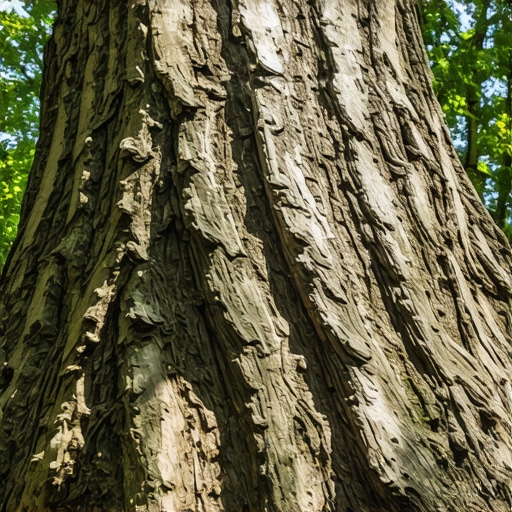
The Sticky Reality of Scale Infestation
You walk out to your driveway and notice your car is covered in a fine mist of syrup. You look up at your silver maple or your oak, and the bark looks like it is weeping black soot. This is not sap. It is not a natural seasonal cycle. It is a sign of a massive structural and biological failure within your landscape. I always drill into my new crew members: if you don’t fix the soil grading first, every plant you put in the ground is just expensive compost. The same logic applies here. If your tree is covered in scale, your tree is stressed. Pests do not attack healthy, vigorous trees with the same ferocity they use on trees struggling with poor landscaping practices or improper irrigation. You are looking at a vascular invasion that requires a surgical approach to remediation.
“Scale insects are often the check engine light of a tree’s immune system, indicating underlying stressors such as soil compaction or moisture imbalance.” – Horticultural Science Research Manual
Identifying Tree Scale Insects
Tree scale is a group of sap-sucking insects that appear as immobile bumps on bark. These pests excrete honeydew, a sticky substance that leads to sooty mold, signaling a significant decline in tree health and potential canopy dieback if left untreated. Most homeowners mistake these for natural bark growth or some kind of disease. They are actually animals. They latch onto the plant’s vascular system and pump out the carbohydrates the tree worked all summer to produce. In 2026, we are seeing a massive uptick in these infestations due to erratic winter patterns that fail to kill off overwintering populations.
Soft Scale vs. Armored Scale
You need to know what you are fighting before you pull out the sprayer. Soft scale insects produce the sticky honeydew you see dripping on your patio furniture. They are larger, often convex, and produce massive amounts of waste because they process such a high volume of sap to get the nitrogen they need. Armored scales are smaller, flatter, and do not produce honeydew. If your bark is sticky, you have soft scale. This is usually the Lecanium scale or the Calico scale. They look like tiny helmets glued to the twigs. If you scrape one off with your fingernail and it’s juicy, it’s alive and feeding on your tree’s lifeblood.
| Scale Type | Visual Indicators | Waste Product | Risk Level |
|---|---|---|---|
| Soft Scale | Convex, 1/8 to 1/4 inch | Honeydew (Sticky) | High (Sooty Mold) |
| Armored Scale | Flat, circular or pear-shaped | None | Moderate (Branch Dieback) |
| Cottony Scale | White, popcorn-like masses | Heavy Honeydew | High (Rapid Spread) |
Why Your Bark is Sticky (The Forensic Diagnosis)
The stickiness on your tree is honeydew, a sugary waste product from soft scale insects. This fluid attracts ants and provides a growing medium for black sooty mold, which prevents photosynthesis by coating leaves and bark in a dark, crusty layer. This is a physiological crisis. When the leaves are covered in black mold, the stomata—the tiny pores the tree uses to breathe—get clogged. The tree can’t exchange gases. It can’t produce energy. It starts to starve. This is often exacerbated by a sod install that comes too close to the root flare, suffocating the tree and making it an easy target for these parasites.
How much horticultural oil do I need for a mature oak?
For a mature oak with a 20-inch DBH (diameter at breast height), you will typically need 5 to 10 gallons of diluted horticultural oil solution to ensure total coverage of all bark surfaces and crevices. Complete coverage is mandatory because these oils work by smothering the insects. If you miss a square inch, you leave behind thousands of crawlers that will reboot the infestation within weeks. You need a high-pressure rig, not a hand-pump sprayer from the hardware store. You need to reach the highest canopy where the new growth is most vulnerable.
Natural Remediation Strategies
Fixing sticky bark naturally involves a combination of mechanical scrubbing, horticultural oils, and biological controls like ladybugs. Avoid broad-spectrum pesticides that kill natural predators, as these often cause secondary pest outbreaks and further stress the tree’s vascular system. I have seen guys dump heavy neurotoxins on a yard, and all it does is kill the lacewings and ladybugs that were actually doing the work for free. Then the scale population explodes because there is nothing left to eat them. It is a rookie mistake that costs homeowners thousands in the long run.
“Effective scale management relies on the timing of dormant oil applications to coincide with the insect’s respiratory vulnerability during the overwintering phase.” – Texas A&M Agrilife Extension
The Mechanical Fix
If the infestation is localized to the lower branches, you can literally scrub them off. Use a soft-bristled brush and a mixture of water and a small amount of castile soap. This breaks down the waxy coating of the scale and removes the sooty mold. It is labor-intensive, but it works. During your next yard cleanup, make sure you are looking at the underside of branches. That is where they hide. Remove any heavily infested wood and burn it or bag it. Do not compost it.
The Link Between Soil Health and Pest Resistance
Trees are not victims; they are organisms that fight back. A healthy tree produces allelochemicals—natural pesticides—that make its sap less palatable to scale. However, when you mess up the irrigation, or when a sod install involves heavy machinery compacting the soil over the root zone, the tree loses the ability to defend itself. Soil compaction is the silent killer. It prevents oxygen from reaching the roots. Without oxygen, the roots can’t take up the nutrients needed to fuel the tree’s immune system. Deep, infrequent watering is the key. You want to force the roots to go deep into the subsoil, not hang out at the surface where they get baked by the sun and crushed by foot traffic.
- Inspect: Check the branch junctions for small bumps twice a year.
- Test: Perform a soil pH and nutrient test to ensure the tree has the minerals it needs.
- Prune: Remove dead or crossing branches to increase airflow and sunlight.
- Hydrate: Use drip irrigation at the drip line, never spray the trunk directly.
- Mulch: Apply 2-3 inches of organic wood chips, keeping it 6 inches away from the bark.
Can over-irrigation cause tree scale infestations?
Yes, over-irrigation causes root rot and anaerobic soil conditions, which severely stress the tree and trigger the release of stress hormones that actually attract scale insects and other borers. When the roots are drowning, they can’t support the canopy. The tree enters a state of decline, and the scale insects sense this physiological weakness. They move in like vultures. Your irrigation system should be calibrated for the tree’s needs, not the grass’s needs. Turf needs frequent sips; trees need deep soaks.
Corrective Action Plan for 2026
If you have identified scale, your first move is a dormant oil application in late winter. This is a refined paraffinic oil that coats the overwintering nymphs and smothers them. It is non-toxic to humans and pets. It will not harm the tree. But timing is everything. If you wait until the tree is fully leafed out, you have to use a lighter summer oil, which is less effective. Combine this with a professional yard cleanup that focuses on removing leaf litter where other pests might harbor. Scale is a persistent enemy. You won’t win the war in one season. It takes a multi-year commitment to soil health and mechanical intervention. Don’t skip the details. The dirt doesn’t lie. If you treat the soil right and manage your water, the tree will eventually do the heavy lifting for you. Stop looking for a magic chemical in a bottle. Start looking at your roots.