December 19, 2025 | Michael Smith

Top Sod Install & Irrigation Tips for a Perfect 2025 Lawn
Top Sod Install & Irrigation Tips for a Perfect 2025 Lawn

I’ll never forget the first time I laid down fresh sod in my backyard. I was so excited to see that lush green carpet take shape. But after a few weeks, I faced brown patches and uneven growth that made me question if I’d wasted my time and money. It was a lightbulb moment—my mistake was neglecting proper irrigation and installation strategies, thinking all sod is created equal. Turns out, a beautiful, thriving lawn starts with more than just laying sod. It’s about smart planning, timely watering, and understanding what your yard truly needs.

Why Proper Sod Installation and Irrigation Matter More Than You Think

Getting your turf right isn’t just about aesthetics; it impacts your yard’s health, your property value, and even your mood. A well-installed sod with an effective irrigation system can transform your lawn into a lush paradise, saving you time, effort, and money in the long run. Trust me, I’ve learned the hard way that skipping these steps leads to patchy, unhealthy grass that’s a nightmare to fix later. According to the ultimate guide to sod install and irrigation, proper watering and installation techniques significantly boost your chances of a thriving lawn in 2025.

Is All Sod and Sprinklers Created Equal or Is There a Secret Sauce?

Early on, I made the mistake of thinking that any sod and any sprinkler system would do. Spoiler alert: that’s not true. The quality of sod, the timing of watering, and the design of your irrigation system all work together to produce that perfect green canvas. If you’re serious about making your yard stand out, you’ll want to pay attention to the details that matter—like soil preparation, watering schedules, and system placement. Curious how to avoid common pitfalls? I’ll walk you through the essential tips that will help you turn your lawn dreams into reality. And if you’re wondering whether investing in professional advice is worth it, I’d say a quick read of expert sod install and yard cleanup tips might just save you a lot of headaches.

So, have you ever faced the frustration of uneven watering or patchy grass? If yes, don’t worry—you’re not alone. The good news is, with a few strategic moves, you can avoid these mistakes and enjoy a lush, healthy lawn in 2025. Ready to dive into the practical steps? Let’s get started on making your yard the envy of the neighborhood.

Prepare Your Soil Like a Pro

Start by removing existing grass, weeds, and debris. Think of your soil as the foundation of a house—if it’s unstable, everything built on top will suffer. I once neglected this step and ended up with uneven growth. Use a tiller or rake to loosen the soil and incorporate organic matter or compost. This improves drainage and nutrient retention, setting your sod up for success. For detailed soil prep strategies, check yard cleanup strategies.

Lay Your Sod the Right Way

Unroll the sod in a staggered brick pattern, similar to laying bricks—this prevents seams from aligning directly. Secure each piece tightly against the next to eliminate gaps. I recall a weekend spent carefully overlapping sod sections, ensuring no air pockets remained. This step is crucial because gaps lead to patchy growth and weed invasion. Use a sharp knife to trim pieces for tight fitting around curves or edges. Proper placement accelerates rooting and growth. For expert tips, visit sod install tips.

Water Smart and Deep

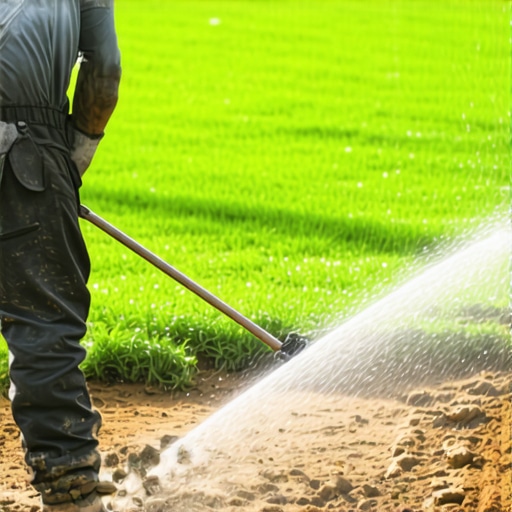
Water immediately after laying sod—think of giving it a drink like a fresh sponge. I learned this the hard way when I waited hours, and the grass struggled to root. Use a sprinkler or soaker hoses to provide about 1 to 1.5 inches of water daily during the first two weeks. Deep watering encourages roots to grow downward, making your lawn resilient. Avoid frequent shallow watering; it promotes shallow roots and patchiness. To fine-tune your watering schedule, see irrigation guide.

Design Your Irrigation System for Efficiency

A well-designed irrigation system saves water and guarantees even coverage. Position sprinklers to overlap slightly, avoiding dry patches. I once installed sprinklers without considering wind direction, which caused uneven watering—lesson learned. Use rotor heads for large areas and spray heads for edges. Set timers to water early morning or late evening, reducing evaporation. For tailored system designs, explore irrigation system design tips.

Regular Maintenance Keeps Your Lawn Green

Once established, mow at the right height—around 2.5 to 3 inches—to promote thick growth. Aerate annually to reduce soil compaction and improve water penetration. Fertilize with a balanced mix to supply essential nutrients. I found that consistent care turned my patchy lawn into a lush oasis within a season. For ongoing care strategies, consult lawn maintenance tips.

Many homeowners fall into the trap of thinking that laying sod and installing an irrigation system are straightforward tasks, but the real challenge lies in the details that most overlook. Let’s dig deeper into some common misconceptions and advanced pitfalls that can sabotage your lawn’s health, even if you follow the basics.

Why Overlooking Soil Preparation Can Lead to Hidden Problems

One of the most underestimated nuances is soil quality. While it’s tempting to focus solely on choosing the right sod or sprinkler heads, neglecting soil prep is a silent killer. Poor soil drainage, compaction, or nutrient deficiency can cause patchy growth and weeds, regardless of your watering schedule. Experts recommend incorporating organic matter and testing your soil to ensure it’s primed for sod. Proper soil preparation is the foundation for everything else—skipping this step is like building on quicksand. For a detailed approach, check yard cleanup strategies.

Timing and Depth of Watering Are Critical—Don’t Just Spray and Pray

Many assume that frequent watering keeps grass healthy, but overwatering or shallow watering can do more harm than good. Deep, infrequent watering encourages roots to grow downward, increasing drought resilience. Conversely, shallow watering fosters shallow roots, making your lawn vulnerable to dry spells. The key is to water about 1 to 1.5 inches per session, ideally early in the morning. Advanced systems with soil moisture sensors can automate this process, but even manual setups need to be fine-tuned. For expert insights, visit irrigation guide.

Are All Sprinklers Created Equal or Is There a Better Way?

It’s a common myth that any sprinkler will do. In reality, choosing the right sprinkler heads and placement is an art and science. For example, rotor heads are ideal for large areas, while spray heads work better for edges and flower beds. Overlapping coverage is essential to prevent dry patches. Additionally, setting the timers to water early morning reduces evaporation and fungal issues. A poorly designed system that doesn’t consider wind, slope, or water pressure will waste water and create uneven coverage. To avoid this, consider professional system design, and explore irrigation system design tips.

Have you ever fallen into this trap? Let me know in the comments. Remember, the devil is in the details, and avoiding these hidden mistakes will set your lawn up for lasting success. Don’t just follow the crowd—use expert strategies to make your yard the envy of the neighborhood.

Keeping your lawn in top shape over time requires more than just initial setup; it demands the right tools and consistent maintenance. Over the years, I have tested numerous equipment and software solutions, but a few stand out for their reliability and effectiveness in maintaining a lush, healthy yard. Investing in quality tools not only streamlines your routine but also ensures long-term success. Let me share my top recommendations based on personal experience and industry standards.

High-Quality Sprinkler Systems for Even Watering

One of the most critical aspects of lawn maintenance is irrigation. I personally rely on automated sprinkler systems equipped with smart timers and moisture sensors. These tools help me deliver consistent, deep watering without the guesswork, which is vital for root development and drought resilience. For example, a system like the smart irrigation controller allows me to customize watering schedules based on weather forecasts and soil moisture levels, reducing water waste and promoting healthy growth.

Soil Testing Kits to Optimize Soil Health

Understanding your soil’s composition is fundamental. I recommend investing in comprehensive soil testing kits that measure pH, nutrient levels, and organic matter content. Personally, I use the Rapitest Soil Test Kit because it provides quick results and helps me tailor my fertilization and soil amendments. Proper soil preparation, as discussed earlier, is the foundation for a thriving lawn. Regular testing ensures you address deficiencies before they impact grass health, saving time and money in the long run.

Robust Lawn Mowers for Precision Cutting

A reliable mower is essential for maintaining the ideal grass height. I prefer models with adjustable blades and mulching capabilities, such as the Honda HRX series. They allow me to mow at the optimal height (around 2.5 to 3 inches) to promote dense, weed-resistant grass. Sharp blades are a must; I make it a habit to sharpen mine regularly, preventing tearing and promoting healthier turf.

Software for Lawn Care Scheduling and Monitoring

Modern technology has made it easier to keep track of maintenance routines. I use lawn care apps like My Lawn and Rachio to schedule watering, fertilizing, and mowing. These tools send reminders and provide weather-based recommendations, which helps me adapt my routine proactively. As the trend toward smart gardening continues, I predict more integrated systems offering real-time soil and weather data, making lawn care even more precise and effortless.

How do I maintain my tools over time?

Maintaining your equipment is just as important as choosing the right tools. Regularly cleaning sprinkler heads, sharpening mower blades, and calibrating soil testers extend the lifespan and effectiveness of your gear. Additionally, storing tools properly during off-seasons prevents rust and damage. For digital tools, keeping software updated ensures compatibility with new features and security patches.

In conclusion, equipping yourself with the right tools and maintaining them diligently is the secret to a lush, vibrant lawn that lasts. I encourage you to try out a smart irrigation system or invest in a top-quality mower to see immediate improvements. Remember, the future of lawn care lies in integrated, technology-driven solutions that make maintenance smarter and easier. Don’t wait—start upgrading your toolkit today and enjoy the long-term benefits of a healthy yard!

The Hardest Lesson I Learned About Lawn Perfection

One of my biggest realizations was that soil quality can make or break your entire lawn. I once skipped soil testing and organic amendments, only to see patchy, weed-prone grass. Now, I know that investing time in soil prep—like incorporating compost and testing pH—sets a solid foundation for lush grass. This overlooked step, often dismissed as tedious, is actually the secret to long-term health.

3 Myths About Sod and Irrigation That Held Me Back

I used to believe that all sod was equal and that watering was just about frequency. Turns out, quality sod varieties matter, and proper watering—deep and infrequent—encourages stronger roots. Another myth? That sprinklers should be set and forgotten. In reality, designing an efficient system with overlapping coverage and timers tailored to your yard’s needs drastically improves results.

What Experts Won’t Tell You About Achieving a Green Lawn

Most homeowners overlook the importance of regular maintenance—mowing at the right height and aerating annually. These practices promote dense, weed-resistant turf. Additionally, using soil moisture sensors and smart controllers can automate your watering, saving water and preventing overwatering. The key takeaway? Small, consistent adjustments based on expert advice can yield a spectacular lawn in 2025.

My Essential Toolkit for Lawn Transformation

For me, a reliable sprinkler system with smart timers is non-negotiable. I trust systems like the smart irrigation controller because they adapt to weather, conserving water and ensuring even coverage. Soil testing kits like Rapitest help me optimize soil health, while a sharp mower such as the Honda HRX series keeps my grass at the perfect height. These tools, combined with lawn care apps, make maintenance a breeze.

Your Turn to Make a Difference

Creating a vibrant, healthy lawn isn’t just about buying the right products; it’s about understanding the nuances and applying expert strategies. Start small, stay consistent, and watch your yard transform. The future of lawn care is smarter, and you’re just a step away from mastering it. Ready to implement these tips and see your lawn thrive in 2025? Share your experiences or questions below, and let’s grow together!
December 18, 2025 | Anna Lee

Sod Install & Irrigation Experts: Boost Your Lawn in 2025

Sod Install & Irrigation Experts: Boost Your Lawn in 2025

I remember the first time I tried laying down sod all by myself. I was so excited to see my lawn transform quickly, but it turned into a muddy mess with patches of dead grass and uneven patches. That lightbulb moment hit me hard—there’s a real art and science to making a lawn look lush and healthy, and rushing without proper planning can set you back months. If you’ve ever faced similar frustrations, you’re not alone. The good news? With the right approach, you can turn your yard into a vibrant oasis that will make neighbors do a double-take. Today, I’ll share proven strategies that have helped me and countless others elevate their lawn game. From choosing the right sod to installing an efficient irrigation system, these tips are your ticket to a thriving, envy-worthy yard in 2025.

Why Now Is the Perfect Time to Rethink Your Lawn

Spring and early summer are prime seasons for lawn renovation. The weather is just right—warm enough for grass to root deeply, yet not so hot that your efforts go to waste. Plus, tackling sod installation and irrigation upgrades now means you’ll enjoy a lush, healthy yard by the time summer hits full stride. But here’s the kicker—without proper planning, even the best-looking sod can fail. Early missteps can lead to uneven growth, pests, or weeds taking over. I learned this the hard way when I rushed into installing sod without prepping my soil or setting up a proper watering schedule. The result? A patchy lawn that took months to fix. That mistake taught me the importance of expert guidance, like checking out detailed tips on top sod install and irrigation tips. It’s these insights that can save you time, money, and frustration.

Is Overhauling Your Lawn Really Worth It?

Many homeowners hesitate because they fear the cost, mess, or effort involved. I get it. But consider this: a vibrant lawn adds significant curb appeal, increases property value, and creates a perfect space for outdoor gatherings or family fun. Plus, investing in quality sod and irrigation solutions now pays off by reducing future maintenance. I once thought I could patch my way through, but it turned out that a full overhaul with expert advice made all the difference. If you’re unsure whether to go big or small, I recommend checking out comprehensive guides like ultimate sod installation and yard cleanup tips. Trust me, making a strategic investment now transforms your yard into a lush paradise for years to come.

So, if you’ve faced the dilemma of a dull, patchy yard or simply want to level up your outdoor space, the next steps will set you on the right path. Ready to discover how to make your lawn the envy of the neighborhood in 2025? Let’s dive into the essentials of expert sod installation and irrigation solutions that truly work.

Prepare Your Soil Like a Pro

Start by removing any existing grass, weeds, or debris from your yard. Think of your soil as the foundation of a house—if it’s uneven or poor quality, everything built on top will suffer. Use a rake or tiller to loosen the soil, then mix in organic compost or topsoil to improve drainage and fertility. I learned this the hard way when I skipped soil prep and ended up with patches that never rooted properly. Proper soil preparation ensures your sod will take root quickly and evenly, laying the groundwork for a thriving lawn. For detailed soil conditioning tips, check out yard cleanup strategies.

Choosing the Right Sod for Your Climate

Picking the perfect sod is like selecting the right ingredients for a recipe—quality and compatibility matter. Consider your local climate, sunlight exposure, and foot traffic when choosing grass types. For example, Bermuda grass thrives in hot, sunny areas, while Kentucky bluegrass prefers cooler climates. I once tried installing a warm-season grass in a shady spot, which resulted in patchy growth. Consult local experts or resources such as top sod install tips to ensure you select the best match for your yard.

Installing Sod Like a Landscape Architect

Lay your sod in a brick-like pattern, staggering seams to prevent gaps—think of laying bricks for stability. Water the sod immediately after installation to help roots establish. When I first started, I was eager to get it done quickly and didn’t overlap properly, causing uneven patches. Making sure each piece is tightly fitted reduces air pockets and weeds. Use a sharp knife to trim sod around edges for a clean look. Once laid, water deeply and consistently—aim for about 1 inch of water daily for the first two weeks. For expert techniques, visit professional sod installation tips.

Irrigation System: Your Lawn’s Lifeline

An efficient irrigation system is like a personal gardener—watering precisely when and where it’s needed. Drip systems are great for flower beds, but for lawns, sprinklers or smart irrigation controllers are better. I installed a smart sprinkler system with zone control, which saved me hours of manual watering and kept my grass lush during dry spells. Proper system design involves mapping your yard and installing heads to cover every inch evenly. Overwatering can lead to fungal diseases, while underwatering causes stress—finding the right balance is key. For innovative ideas, see irrigation design tips. Regular maintenance, like checking for leaks and adjusting spray patterns, ensures optimal performance.

Maintain and Monitor for Long-Term Success

Once your sod is established and your irrigation system is in place, ongoing maintenance is essential. Mow only when your grass reaches about 3 inches, and never cut more than one-third of the height at once. Aerate annually to reduce soil compaction, and fertilize with a balanced mix to promote healthy growth. Keep an eye out for pests or disease—early detection saves headaches later. Remember, a lush lawn isn’t built overnight; consistent care, like expert yard cleanup and landscaping strategies, sustains its beauty over time. For ongoing tips, explore yard cleanup strategies.

While many homeowners believe they can achieve a lush lawn simply by laying sod and watering it regularly, there are several misconceptions that can hinder success. One of the biggest myths is that more water always leads to better root establishment. In reality, overwatering can drown roots, promote fungal diseases, and wash away nutrients, ultimately weakening your lawn. It’s essential to understand the correct watering schedule—deep, infrequent watering is more effective than daily shallow sprays. For expert guidance on irrigation strategies, check out irrigation solutions for a healthy lawn.

Another common mistake is assuming that all sod types are suitable for every climate. Many homeowners pick the cheapest or most readily available grass, but this overlooks the importance of selecting a species compatible with your local environment. For instance, warm-season grasses like Bermuda thrive in hot climates, while cool-season grasses such as Kentucky bluegrass excel in cooler regions. Failing to match your grass type to your climate can lead to patchy growth, increased maintenance, and ultimately, disappointment. To avoid this trap, consult local experts or reliable resources like top sod installation tips.

Can Proper Soil Preparation Offset Climate Mismatch?

Many believe that soil preparation is only necessary in poor soil conditions. However, even in fertile soils, proper soil conditioning is vital for optimal sod rooting. Without adequate aeration, organic matter, and pH balancing, your sod may struggle to establish, regardless of climate suitability. This nuance is often overlooked, but experts emphasize that soil health is the foundation of a thriving lawn. Investing time in soil analysis and amendments can significantly improve sod success rates. For detailed soil conditioning advice, visit yard cleanup strategies.

Furthermore, many underestimate the importance of precise installation techniques. Laying sod in a tight, staggered pattern prevents gaps and reduces weed invasion. Watering immediately after installation encourages root contact with the soil, but overdoing it can cause runoff and erosion. A balanced approach, guided by professional tips, ensures your investment pays off. Learn more about expert sod installation at professional sod installation tips.

Finally, the belief that irrigation systems are a set-it-and-forget-it solution is flawed. Even the best automated irrigation requires regular adjustments and maintenance. Zones must be correctly calibrated, and watering times tweaked according to weather patterns. Neglecting this can lead to under- or overwatering, both harmful to your lawn. Regular system inspections and seasonal adjustments are crucial for long-term success. For innovative system design ideas, explore irrigation design tips.

Maintaining a lush, healthy lawn requires more than just initial effort; it hinges on using the right tools and adopting consistent maintenance routines. Over the years, I’ve refined my toolkit to ensure my yard stays vibrant, resilient, and easy to care for. Investing in quality equipment not only saves time but also enhances the longevity of your lawn. One of my go-to tools is a durable, adjustable lawn aerator, which I use annually to reduce soil compaction and promote healthy root growth. Proper aeration creates pathways for water, nutrients, and air to reach the grassroots effectively, making your sod installation last longer and perform better. For detailed guidance on aeration techniques, check out yard cleanup strategies.

Another indispensable tool in my arsenal is a high-quality power dethatcher. Over time, thatch buildup can suffocate roots and lead to disease. Using a dethatcher every season helps maintain optimal soil health and ensures your irrigation system can deliver water where it’s needed most. Speaking of irrigation, I highly recommend smart controllers that adapt watering schedules based on weather forecasts. These systems prevent overwatering and underwatering, saving resources and keeping your grass consistently healthy. I personally installed a model that integrates seamlessly with my smartphone, allowing me to fine-tune watering during dry spells or rainy days. For the latest irrigation innovations, explore irrigation solution guides.

Regular maintenance doesn’t stop with tools; it extends to routine checks and cleanups. I schedule a comprehensive yard cleanup at least twice a year, removing debris, trimming edges, and inspecting for pests or disease early. This proactive approach prevents minor issues from escalating, saving me time and money. For expert yard cleanup ideas, visit yard cleanup tips. Additionally, using a soil test kit annually helps me monitor pH levels and nutrient deficiencies, guiding targeted fertilization and amendments. This combination of precise tools and diligent routines ensures my lawn remains resilient against pests, weeds, and weather extremes.

Looking ahead, I predict that automation and smart technology will become even more integrated into lawn care. Automated mowers, drone surveillance, and AI-driven soil analysis will make maintaining a perfect yard more accessible and precise. I encourage you to try one advanced tip: invest in a smart irrigation controller that learns your yard’s specific needs. It’s a game-changer for long-term success. Remember, maintaining a thriving lawn is an ongoing process—equipped with the right tools and consistent effort, you’ll enjoy a beautiful, envy-worthy yard in 2025 and beyond.

The Hardest Lesson I Learned About Lawn Transformation

One of my biggest mistakes was rushing into sod installation without properly preparing the soil. It seemed like a quick fix, but I ended up with uneven patches and weeds taking over. That lightbulb moment taught me that soil conditioning is the foundation of a thriving lawn, and skipping it can set you back months.

3 Myths About Lawn Overhauls That Held Me Back

I used to believe that overwatering would help roots establish faster. Turns out, deep, infrequent watering is much better. Also, I thought all sod types work everywhere—wrong! Matching grass to climate is essential. Finally, I assumed my irrigation system could handle everything—regular adjustments are necessary to keep your lawn healthy and lush.

What Experts Won’t Tell You About Lawn Success

Many overlook the importance of soil health, thinking it’s only a concern if the ground is poor. But even fertile soil benefits from aeration and pH balancing. Proper installation techniques, like staggering sod seams, can prevent gaps and weeds. And maintaining your irrigation system with seasonal tweaks can make all the difference in long-term lawn health.

My Essential Toolkit for a Lush Lawn

I swear by a durable lawn aerator and a high-quality dethatcher—these tools keep my soil healthy and free from thatch buildup. Smart irrigation controllers are game-changers, allowing me to automate watering based on weather. Regular yard cleanup and soil testing complete my toolkit, ensuring my yard stays vibrant year-round. For expert advice on tools and routines, visit yard cleanup strategies.

Your Turn to Try

Taking your lawn from dull patches to a lush paradise in 2025 is achievable with the right knowledge and tools. Start with soil prep, choose the right sod, and invest in a smart irrigation system. Remember, consistency and expert guidance make all the difference. Don’t wait—your dream yard is just a few steps away.

What’s the biggest challenge you’ve faced when trying to improve your lawn? Let me know below!

December 18, 2025 | Jane Doe

Landscaping Tips & Yard Cleanup for a Stunning 2025 Garden

Landscaping Tips & Yard Cleanup for a Stunning 2025 Garden

Ever looked out at your yard and felt a pang of disappointment? Maybe it’s the overgrown weeds, patchy grass, or the stubborn clutter that just won’t go away. I remember my own wake-up call last spring when I finally realized that neglect had turned my outdoor sanctuary into a bit of a jungle. That lightbulb moment made me understand one thing: without proper yard cleanup and landscaping, even the most beautiful garden ideas can fall flat.

Why Getting Your Yard Ready Matters More Than Ever in 2025

Let’s be honest. A stunning garden isn’t just about planting pretty flowers or laying down new sod. It’s about creating a healthy, vibrant space that reflects your personality and boosts your curb appeal. And with the rising costs of home renovation and landscaping, doing it right the first time saves you money and frustration.

In fact, experts say that a well-maintained yard can increase your property’s value by up to 15%. But beyond the numbers, a tidy and thoughtfully landscaped yard makes your outdoor moments more enjoyable—whether it’s hosting family barbecues or just relaxing with a good book. The key is knowing the right steps to clear out the chaos and lay a solid foundation for growth.

Is Yard Cleanup Really Worth the Hype

When I first started, I thought I could skip the tedious cleanup and jump straight into planting. Spoiler alert: that was a mistake. I ended up spending more time fixing issues caused by neglect—diseased plants, uneven soil, and clogged drains. Early on, I learned that skipping proper yard cleanup can lead to wasted effort and even costlier repairs down the line. According to professional landscapers, neglecting foundational cleanup can diminish your garden’s health and beauty faster than you think. So yes, the hype is real. Proper cleanup is the secret behind a lush, thriving garden.

If you’ve faced similar frustrations, don’t worry—you’re not alone. The good news is, with a clear plan, you can turn your yard into a masterpiece. And I’ll show you exactly how to do it, step by step, in the upcoming sections. Ready to transform your outdoor space into a stunning 2025 garden? Let’s dive into the essentials that will make your yard the envy of the neighborhood.

Start with a Clear Plan

Before grabbing your tools, sketch out a plan to identify what needs immediate attention and what can wait. Think of it like designing a blueprint for a house; knowing the layout helps you work efficiently. Last spring, I made the mistake of jumping straight into trimming without a plan. I ended up cutting back plants I wanted to keep and missing overgrown areas. After that mess, I sat down and mapped out my yard, dividing it into zones. This simple step saved me hours and kept me focused on priorities.

Remove Debris and Clear the Clutter

Begin by raking leaves, gathering fallen branches, and removing any trash. Use a leaf blower or rake to gather debris, then dispose of it properly. Clearing the clutter acts like opening a blank canvas—giving you space to work and preventing pests and diseases from taking hold. I once left a pile of old garden furniture in the corner, which became a breeding ground for pests. Once I removed it, the yard looked immediately cleaner and healthier. For large debris, consider renting a dumpster or scheduling a pickup.

Prune and Trim with Precision

Trimming overgrown bushes and dead branches encourages healthy growth. Use sharp pruning shears or a lopper for thick branches, and always prune back to healthy wood. Think of pruning as giving your plants a haircut—removing the straggly bits to promote new, lush growth. I once pruned a rose bush too aggressively, which delayed flowering, but now I understand the importance of gentle, strategic cuts. Proper pruning also improves airflow and reduces disease risk. Check out yard cleanup landscaping ideas for detailed techniques.

Edge and Mow the Lawn

Use an edger or a string trimmer to define clean borders along flower beds, walkways, and patios. Mow the grass at the appropriate height for your grass type—usually around 2.5 to 3 inches. This tidy appearance boosts curb appeal instantly. I remember the first time I edged my lawn; the crisp lines made my yard look professionally maintained. Regular mowing and edging prevent weeds from invading and keep your yard looking sharp. For a lush, even lawn, consider sod installation strategies.

Address Soil Health

Test your soil to determine pH and nutrient levels. Amend the soil with compost or organic matter to improve aeration and fertility. Healthy soil is the foundation of a thriving garden. I once skipped this step and planted in poor soil, resulting in weak plants that struggled to grow. After a soil test revealed nutrient deficiencies, I added compost, and the difference was night and day. This step prepares your yard for planting new grass, shrubs, or flowers. For irrigation and soil care, see irrigation solutions for a lush lawn.

Plan and Install Irrigation System

A proper irrigation system ensures your yard stays hydrated without overwatering. Consider drip lines for flower beds and sprinklers for lawns. Use a timer to automate watering schedules, conserving water and time. I installed a simple sprinkler system last summer, which kept my grass green during dry spells. Proper irrigation prevents drought stress and promotes healthy growth. For expert insights, visit irrigation tips. This investment pays off by reducing manual watering efforts and ensuring consistent moisture levels.

Lay New Sod or Grass Seed

If your lawn is patchy or worn out, consider laying new sod or overseeding. Sod provides instant results, while overseeding gradually fills in bare spots. Prepare the soil by leveling and removing debris, then water thoroughly. When I installed sod, I used top sod installation tips to ensure a seamless transition. Keep the area moist until the grass establishes. This step transforms your yard from tired to vibrant, ready for outdoor activities.

Final Touches and Ongoing Maintenance

Add mulch around plants to retain moisture and suppress weeds. Plant colorful flowers and shrubs to add visual interest. Regularly inspect and maintain your irrigation system, mow, and prune to keep your yard in top shape. Continuous care like this turns a one-time cleanup into a lasting transformation. For creative ideas on landscaping, check out yard landscaping ideas.

Many homeowners walk into yard cleanup and landscaping with misconceptions that can lead to costly mistakes and subpar results. As an expert, I’ve seen how these myths can hinder progress and even damage your garden’s health. Let’s dig deeper into some of the most common misunderstandings and reveal the hidden nuances that can make or break your outdoor project.

Why Cutting Corners Usually Backfires

One prevalent myth is that skipping detailed soil testing or rushing through debris removal saves time and money. In reality, neglecting soil health can cause your plants to struggle, leading to weaker growth and higher long-term costs. For example, skipping a soil test can mean missing essential adjustments to pH or nutrients, which significantly impacts plant vitality. To avoid this trap, consider investing in a soil analysis early on. Properly amending your soil with organic matter like compost can improve aeration and nutrient retention, setting a strong foundation for your landscape. For detailed guidance, check out expert irrigation solutions.

Advanced Mistake: Over-pruning and Under-pruning

Another misconception is that more pruning always leads to better growth. While pruning is essential, overdoing it can stress plants, especially flowering shrubs and trees. Conversely, neglecting pruning can result in disease and poor airflow. The nuanced approach involves understanding each plant’s specific needs—some require light, frequent trims, while others thrive with minimal intervention. For instance, I once pruned a flowering shrub too aggressively, which delayed blooming. Now, I follow the principle of strategic pruning—removing only dead or diseased branches and shaping the plant to promote healthy growth. Mastering this balance ensures your plants stay healthy and vibrant. For tips on precise pruning, visit yard cleanup ideas.

Can You Really Save Money by Doing Everything Yourself?

Many believe that DIY yard cleanup is always cheaper than hiring professionals. While this can be true for small tasks, complex projects like sod installation or irrigation system setup often require specialized tools and expertise. Mistakes in these areas can lead to uneven lawns, water wastage, or system failures that cost more to fix later. For example, improper sod installation can result in poor root establishment, causing patches and more weed invasion. A better approach is to assess your skill level honestly and consider professional help for critical steps. You might find that outsourcing certain tasks saves time, money, and headache in the long run. To learn about professional strategies, see top sod installation strategies.

Have you ever fallen into this trap? Let me know in the comments. Remember, understanding these hidden nuances can elevate your yard from average to extraordinary, making each dollar and hour spent truly worthwhile. By avoiding these common pitfalls and embracing expert techniques, you’ll be well on your way to a stunning garden in 2025 and beyond.

Maintaining a beautiful, healthy yard requires more than just initial cleanup and planting. To keep your landscape in top shape over the long term, investing in the right tools and adopting a consistent maintenance routine is crucial. Over the years, I’ve refined my toolkit and routines to ensure my yard remains lush and vibrant, even as seasons change and growth cycles evolve.

How do I keep my yard working through the seasons?

The secret lies in choosing durable, versatile equipment and establishing a regular upkeep schedule. For example, I rely heavily on a high-quality cordless string trimmer, which allows me to easily trim edges and hard-to-reach spots without the hassle of cords or bulky equipment. Brands like Ego and Makita offer models with long-lasting batteries that can handle multiple sessions before recharging, making seasonal trimming less of a chore.

For lawn mowing, I prefer a self-propelled mower with adjustable height settings. In particular, I choose models with a mulch feature that recycles clippings back into the soil, enriching it naturally. This not only reduces waste but also promotes healthier grass growth. Regular mowing at the right height—about 2.5 to 3 inches—encourages deep roots and suppresses weeds, as recommended by turf management experts.

When it comes to watering, I’ve transitioned to a smart irrigation controller linked with weather forecasts. This system automatically adjusts watering schedules based on rainfall and temperature, conserving water and ensuring my lawn gets exactly what it needs. The technology behind smart controllers is advancing rapidly, and I predict that integrated systems will become standard for homeowners aiming for sustainable landscaping in the future.

What tools are vital for ongoing yard care?

Beyond the basics, I swear by a durable leaf blower for quick cleanup—especially during fall. I prefer models with variable speed controls to gently clear delicate plants or blow leaves into collection bags efficiently. For debris removal, a sturdy wheelbarrow and a garden rake are indispensable, helping me keep the yard tidy without excessive effort.

Soil health is paramount, and I regularly use a soil tester to monitor pH and nutrient levels. This small device has saved me from over-fertilizing or underfeeding my plants, ensuring optimal growth. I apply organic amendments like compost and organic fertilizers based on test results, which keeps my garden resilient and reduces chemical dependence.

To keep everything running smoothly, I schedule seasonal equipment maintenance—cleaning blades, sharpening tools, and checking hoses and sprinklers. Regularly inspecting and maintaining your tools prevents breakdowns and extends their lifespan. For instance, I detail-clean my lawn mower after each use and sharpen blades twice a year, which maintains cutting efficiency and promotes healthy grass.

Where is yard care headed in 2025?

With advancements in automation and eco-friendly technology, I believe that future yard maintenance will become more integrated and sustainable. Automated robotic mowers and intelligent irrigation systems will handle routine tasks with minimal human intervention, freeing up your time for creative landscaping or relaxing outdoors. Staying updated with the latest tools and maintenance techniques, like those discussed here, will ensure your yard remains a source of pride well into the future.

If you haven’t already, consider investing in a smart irrigation controller or a high-quality cordless trimmer. These tools will streamline your routine and set the stage for a lush, healthy lawn that endures season after season. Ready to upgrade your yard care arsenal? Dive into the latest innovations and keep your landscape thriving in 2025.

The Hardest Lesson I Learned About Yard Transformation

One of my biggest realizations was that rushing through yard cleanup without a strategic plan often led to more work down the line. Taking time to test soil and remove debris early saved me hours later on. It’s a reminder that patience and preparation are key to a thriving garden.

Three Tools That Really Made a Difference in My Yard

My essential toolkit now includes a high-quality soil tester, a cordless string trimmer, and a smart irrigation controller. These tools help me maintain my yard efficiently and sustainably. Trust me, investing in reliable equipment turns yard care from a chore into a joy.

My Final Word on Yard Care in 2025

The future of landscaping is about smart technology and sustainable practices. I encourage you to embrace these innovations and start your outdoor transformation today. Your dream garden is within reach—step by step, season by season.

What’s the one yard project you’re most excited to start in 2025? Share your plans below and let’s inspire each other to create stunning outdoor spaces!

December 17, 2025 | Michael Smith

Best Sod Install & Yard Cleanup Strategies for a Lush 2025 Garden

Best Sod Install & Yard Cleanup Strategies for a Lush 2025 Garden

One spring morning, I stepped outside to admire my backyard and was greeted by a sea of weeds, patchy grass, and dead patches that made my garden look more like a disaster zone than a lush paradise. It hit me then—my previous attempts at yard cleanup and sod installation had been more about rushing through the motions than understanding what truly makes a yard thrive. I realized that without a strategic approach, my efforts were just a temporary fix, and I was destined for the same disappointing results every season.

Why a Solid Plan Makes All the Difference in 2025

In my journey toward a vibrant, healthy lawn, I discovered that the key isn’t just about throwing down new sod or trimming the yard. It’s about understanding the underlying principles of soil health, irrigation, and maintenance. A well-executed yard cleanup sets the stage for successful sod installation. Skipping this step or rushing it can lead to weeds re-seeding, poor root development, and wasted effort. Trust me, I’ve been there—early on, I made the mistake of ignoring the importance of comprehensive yard prep, which led to patchy growth and frustration.

Fast forward to today, and I’m here to share what truly works. Whether you’re starting fresh or giving your yard a much-needed refresh, mastering these techniques can mean the difference between a lush garden and a constant battle with weeds and brown patches. Ready to transform your outdoor space into a vibrant oasis? Let’s dive into the essential strategies that will elevate your yard work in 2025 and beyond.

Is Sod Installation Really Worth the Hype?

One of the biggest doubts I had when I first considered sod was whether it was worth the investment. I feared it would just be a quick fix that wouldn’t last. But I learned that with proper installation and ongoing care, sod can provide instant greenery and a sturdy foundation for a thriving lawn. A common mistake I made early on was neglecting to prepare the soil properly—something I now know is crucial. To avoid this, I recommend checking out expert sod install and irrigation tips to ensure your project starts on the right foot.

In the sections ahead, I’ll guide you through proven steps for yard cleanup and sod installation that will give your garden that envy-worthy look. Whether you’re a seasoned gardener or just starting out, these tips will help you craft a yard that’s both beautiful and sustainable. So, let’s get to work and make 2025 the year your garden truly shines!

,

Clear the Surface and Tackle Debris

Start by removing all debris, fallen leaves, and dead plants. Use a sturdy rake to break up compacted soil and loosen the top layer. When I did this last spring, I spent a Saturday clearing out a mess of twigs and old mulch, which made a huge difference in how the new sod took root afterwards. Think of it like preparing a canvas before painting—clean, smooth, ready for the new layer.

Test and Improve Soil Health

Next, test your soil’s pH and nutrient levels. I used a simple kit from my local garden center, and discovered my soil was too acidic. I amended it with lime, which I spread evenly across the yard. This step is crucial because healthy soil acts like a nutrient-rich buffet for your new sod. For detailed soil improvement tips, check out expert yard cleanup and soil prep strategies.

Level and Grade Your Yard Properly

Use a level or a long board and a garden rake to create a gentle slope away from your house—avoid pooling water or uneven patches. I once spent hours leveling my backyard, and it paid off when the sod laid flat and rooted evenly. Proper grading prevents water from accumulating, which can rot roots or cause weeds to thrive. Think of this step as setting the foundation for a house—without it, everything else could crumble.

Apply Soil Amendments and Fertilizer

Mix in compost or quality topsoil to enrich the existing soil. I tilled in compost, which improved drainage and provided vital organic matter. Follow this with a starter fertilizer high in phosphorus to promote root growth. This combination creates an optimal environment for your sod to establish quickly and healthily. For specific product recommendations, visit expert sod and fertilization tips.

Prepare and Lay the Sod

Measure your yard carefully, then cut the sod into manageable strips. When I installed my sod, I staggered the seams like bricks, ensuring no straight lines ran across the yard, which minimized gaps. Lay each piece tightly against the next and press down firmly. Think of laying sod like laying bricks—alignment and tight fit matter for stability and appearance. Always water the sod immediately after laying to help it settle and begin rooting.

Watering and Maintenance

Set a consistent watering schedule—initially twice daily for the first week, then gradually reduce frequency. I used a soaker hose system recommended by expert irrigation tips to ensure even moisture. Keep the sod moist but not waterlogged, and avoid heavy foot traffic for the first few weeks. Regular mowing at the right height keeps the lawn healthy and encourages dense growth. Remember, a lush yard requires patience and consistent care, but the payoff is worth every effort.

Many homeowners believe that simply laying down sod and giving it a quick watering will guarantee a lush, green lawn. However, this common myth overlooks the intricacies of soil preparation, root establishment, and ongoing maintenance. In reality, the success of your yard transformation depends on understanding these nuances and avoiding straightforward misconceptions.

One widespread mistake is assuming that soil quality doesn’t significantly impact sod health. People often think that sod can thrive regardless of soil conditions, but studies show that soil pH and nutrient levels play a crucial role in root development and turf resilience. For example, a report from the University of California suggests that adjusting soil pH before installation can enhance sod establishment and reduce weed invasion (see expert tips here).

Why do many get caught off guard by weeds after laying sod?

This often stems from neglecting the initial yard cleanup and soil testing stages. Weeds tend to seed quickly on disturbed soil, and without proper removal and preparation, they can reappear within weeks. It’s a trap many fall into by rushing into sod installation without thorough surface clearing or soil amendment. The key is to treat yard cleanup as an essential step, not an optional chore. Check out professional advice on yard cleanup here.

Another misconception involves watering practices. Some believe that heavy, infrequent watering is best for sod; in contrast, consistent moisture with proper irrigation promotes deeper root growth. Overwatering, however, can lead to root rot or fungal issues, which are often overlooked. Advanced watering strategies, such as drip irrigation systems, help maintain ideal moisture levels and prevent common pitfalls. For more on irrigation design, visit this comprehensive guide.

In my experience, understanding these finer points transforms a basic yard project into a sustainable, thriving landscape. Don’t fall into the trap of oversimplification—master the soil, prepare thoroughly, and implement advanced irrigation techniques. Doing so ensures your lawn will flourish well beyond the first season.

Have you ever fallen into this trap? Let me know in the comments.

Investing in the Right Equipment for Long-Term Success

Maintaining a vibrant lawn over time requires not just knowledge but also the right tools. Personally, I swear by a high-quality dethatching rake because it helps remove thatch buildup without damaging the soil or roots. This simple step, often overlooked, drastically improves water penetration and nutrient absorption. For larger yards, a motorized dethatcher can save hours of manual labor and ensures a more thorough cleanup, which is essential before fertilizing or overseeding.

Another game-changer in my routine is a durable garden sprayer. I prefer a backpack model with adjustable pressure because it allows me to apply fertilizers and soil amendments evenly, avoiding patchy growth or runoff. Consistent, accurate application is key to long-term lawn health, especially when dealing with soil pH adjustments or targeted pest control. Modern sprayers with built-in filters help prevent clogging and ensure a smooth, even spray, making routine maintenance more efficient.

How do I maintain my yard over time for sustained growth?

Regular mowing with a sharp, adjustable mower keeps grass at optimal height, preventing disease and promoting dense growth. I recommend setting your mower blades to a height of about 3 inches, which encourages deeper root systems and helps the lawn resist drought. Pair this with a precise soil moisture monitoring system, like a smart irrigation controller, which adjusts watering schedules based on real-time weather data. This prevents over- or under-watering, saving water and reducing disease risk.

For soil health, I rely on a soil test kit from a reputable provider to monitor pH and nutrient levels throughout the year. Based on these readings, I apply tailored amendments, such as lime for acidity or specific fertilizers for nitrogen deficiency. Consistency in these practices ensures your yard remains resilient and lush, even under challenging weather conditions.

The Power of Smart Irrigation Systems

In my experience, investing in a smart irrigation system offers long-term benefits. These systems leverage weather forecasts and soil moisture sensors to optimize watering times and amounts. I installed a drip irrigation network controlled via an app, which I program to water early in the mornings or late evenings. This minimizes evaporation and fungal issues. As technology advances, I predict smart systems will become more autonomous, adjusting themselves based on microclimates within your yard—think of it as having a personal lawn care assistant.

When scaling your yard maintenance, consider modular irrigation setups that can expand with your garden. For example, zone-specific controllers allow you to customize watering for flower beds, lawns, and vegetable patches. This targeted approach conserves resources and promotes healthier plant development across your entire landscape.

Where do I find reliable tools and resources?

For expert advice and top-notch equipment, I recommend visiting this resource on professional landscaping tools. It offers detailed reviews and tips tailored to homeowners aiming for a thriving yard. Don’t forget to try out a soil moisture sensor or a programmable sprinkler system—these tools can dramatically improve your yard’s health and reduce maintenance time over the years.

In conclusion, the secret to keeping your yard working for you is investing in quality tools and embracing innovative techniques. Regular maintenance, combined with smart technology, ensures your lawn remains lush and resilient for years to come. Start with a reliable dethatcher and a smart irrigation controller, and you’ll be well on your way to a beautiful, sustainable landscape in 2025.

Lessons That Changed My Yard Game

  • Never underestimate the power of soil testing. I once skipped this step thinking I could just lay sod and it would thrive. The result was patchy grass and weeds taking over. Now I see soil health as the foundation of any lush yard.
  • Preparing the surface is like laying a good foundation for a house. A thorough yard cleanup and leveling made my sod lay flat and root faster, saving me time and frustration later on.
  • Smart irrigation systems are worth the investment. I used to overwater or underwater, leading to fungal issues or brown patches. Now, with a weather-aware drip system, my lawn stays perfect with minimal effort.
  • Consistent maintenance beats quick fixes. Mowing at the right height, fertilizing properly, and regular aeration keep my yard resilient season after season. It’s about creating a sustainable routine, not just a one-time project.

Tools and Resources That Made a Difference

  • Professional soil test kits. Trustworthy and easy to use, they give me the insights needed to amend my soil correctly. I recommend checking out expert soil testing tips for reliable results.
  • High-quality dethatching rake. Essential for removing thatch buildup, which I’ve found improves water absorption and root growth. For larger yards, I rely on a motorized version that saves hours.
  • Smart irrigation controllers. These devices adapt watering schedules based on weather data, saving water and keeping my lawn healthy. I personally use models recommended in irrigation design guides.
  • Fertilizer and soil amendments from trusted brands. Consistent feeding with quality products has transformed my yard’s resilience. I follow advice from top fertilization tips.

Take Action and Grow Your Dream Yard

Transforming your yard in 2025 is within reach—start with a detailed plan, invest in the right tools, and commit to ongoing care. Whether you’re planting new sod or rejuvenating an old lawn, remember that patience and precision pay off. Your outdoor space can become a lush sanctuary that boosts curb appeal and your well-being. Are you ready to implement these insights and see your yard flourish? Share your biggest challenge below, and let’s grow together!”},

December 17, 2025 | Anna Lee

Effective Irrigation Installation Tips for a Healthy 2025 Lawn

Effective Irrigation Installation Tips for a Healthy 2025 Lawn

I remember the first summer I tried to set up my own irrigation system. I thought, “How hard can it be?” Turns out, quite hard—especially when the sprinklers either soaked half the yard or barely wetted the other. It was a frustrating experience that made me realize I was missing some key tips for effective irrigation installation. That lightbulb moment taught me that proper setup is the secret to a lush, healthy lawn that survives the heat and droughts of 2025.

Why Proper Irrigation Matters More Than Ever in 2025

In this era of unpredictable weather patterns, a well-designed irrigation system isn’t just a luxury; it’s a necessity. Not only does it save water and cut down on your utility bills, but it ensures your grass, flower beds, and shrubs get exactly what they need to thrive. I’ve learned firsthand that skimping on installation details can lead to patchy lawns and wasted resources. A study by the Environmental Protection Agency highlights that overwatering is a common problem—yet many homeowners still struggle with uneven watering. Proper installation can prevent these issues and create a vibrant, resilient yard that stands out in the neighborhood.

Have You Faced the Frustration of Uneven Watering or Wasted Resources?

If so, you’re not alone. My early mistakes included placing sprinklers too close together or ignoring slopes that caused water to run off. These errors cost me time, money, and hours of repair. Luckily, I discovered some game-changing tips that transformed my approach. From understanding the importance of zone design to choosing the right sprinkler heads, each step made a noticeable difference. Curious about how to avoid these pitfalls and set up your system like a pro? Stay tuned. We’ll dive into practical, proven strategies that will help you craft a lawn irrigation system that’s efficient, effective, and perfectly tailored for 2025’s challenges.

Design Your Zones for Optimal Coverage

Think of your irrigation system like a well-organized orchestra, where each sprinkler zone is an instrument playing its part. When I first installed my system, I made the mistake of placing sprinklers randomly, resulting in dry patches and overwatered spots. To fix this, I mapped out my yard, dividing it into zones based on sun exposure, plant type, and slope. This way, each zone receives the right amount of water without waste. For example, I avoided placing sprinklers too close together, which caused excessive overlapping and waste. Instead, I spaced them to cover areas evenly, reducing runoff and ensuring lush, consistent greenery. For detailed guidance, check out best irrigation system design tips for 2025.

Choose the Right Sprinkler Heads for Your Needs

While setting up, I learned that selecting the appropriate sprinkler head can make or break your system’s efficiency. For instance, rotor heads are great for large lawns, providing a wide spray, but they can be inefficient if used in small flower beds. Fixed spray heads are better for precise watering of shrubs and beds. I once used a cheap, generic sprinkler that produced uneven spray patterns, leading to patchy watering. Upgrading to adjustable pop-up heads allowed me to customize spray radius and pattern, saving water and boosting coverage. Think of sprinkler heads like the lenses of a camera—getting the right focus makes all the difference. To ensure your setup is top-notch, explore top sod install irrigation tips for 2025.

Implement Smart Controllers for Precision Watering

One of my game changers was installing a smart irrigation controller. Initially, I manually adjusted timers, which was tedious and often inaccurate. After switching to a smart controller that adapts to weather forecasts and soil moisture levels, my yard received exactly what it needed, no more, no less. This technology connects to weather data, so your system pauses watering during rain or adjusts for temperature and wind. Think of it like having a personal gardener who knows exactly when to turn on or off the sprinklers. My lawn became healthier, and I saw a significant drop in water bills. For more insights, visit effective irrigation strategies for 2025.

Regular Maintenance Keeps Everything Running Smoothly

Even the best system needs regular checkups. I made the mistake of ignoring leaks and clogged heads, which led to wasted water and uneven coverage. Every few months, I inspect each zone, looking for broken or misaligned heads, and clear out debris. I also run a quick system test to verify each zone’s spray pattern and distance. Think of your irrigation system like a car—regular tune-ups prevent breakdowns. Proper maintenance ensures your system remains efficient and extends its lifespan. For a comprehensive maintenance routine, see professional yard cleanup tips for 2025.

Many homeowners assume that installing a basic sprinkler system guarantees lush, healthy grass, but this is a misconception. In reality, most people underestimate the importance of nuanced setup and maintenance, leading to inefficient watering and wasted resources. For example, a widespread myth is that simply placing sprinklers evenly across the yard ensures uniform coverage. However, this overlooks critical factors like slope, plant type, and soil absorption rates, which can cause dry patches or overwatering even with perfect sprinkler placement. It’s essential to understand that effective irrigation requires more than just the right equipment; it demands thoughtful zone design, tailored sprinkler heads, and smart controls that adapt to weather conditions.

A common trap is the belief that manual timers are sufficient. While they work, they lack the adaptability of smart controllers that respond to real-time weather data and soil moisture levels. Studies by irrigation experts show that systems integrated with weather-based controls can reduce water use by up to 30% while maintaining a healthy lawn. Don’t fall into the trap of thinking that regular manual adjustments are enough—investing in automation can save you time and money in the long run.

Another myth is that high-end sprinkler heads automatically mean better coverage. In fact, choosing the right type of sprinkler head for each zone is more critical than the brand or cost. Rotor heads are excellent for large, open areas, but fixed spray heads excel in smaller beds and shrub zones. Incorrectly pairing sprinkler heads with their zones can lead to uneven watering and increased water bills. It’s worth noting that many homeowners overlook regular system checks, assuming their irrigation is maintenance-free. Regular inspections for leaks, clogged heads, and misalignments are vital to maintaining efficiency. Ignoring these details often results in water wastage and uneven growth.

Let’s address a key question: How can advanced irrigation strategies improve your lawn’s health? Implementing zone-specific design, using weather-adaptive controllers, and conducting regular maintenance are proven methods that a seasoned landscaper would recommend. These strategies not only optimize water use but also promote deeper root growth and drought resilience, especially important in 2025’s unpredictable climate. For expert advice tailored to your yard, check out expert irrigation strategies for a lush yard in 2025.

Have you ever fallen into this trap? Let me know in the comments.

Keeping your irrigation system in top shape requires the right tools and a proactive maintenance routine. From diagnosing leaks to adjusting sprinkler heads, having specialized equipment makes all the difference. One of my favorite tools is a high-quality nozzle tester, which helps me quickly identify uneven spray patterns or clogged heads—saving time and water. I also rely heavily on a digital soil moisture meter, which provides real-time data on moisture levels, enabling me to fine-tune watering schedules for optimal health and efficiency. Investing in a durable pipe locator is crucial for troubleshooting underground leaks without unnecessary digging, especially as systems age. Regularly checking and calibrating these tools ensures your irrigation remains efficient and effective over the years.

Automation plays a significant role in future-proofing your irrigation setup. Smart controllers, for example, are becoming more advanced, integrating AI to anticipate weather changes and soil conditions. This trend is expected to continue, making manual oversight less necessary and system adjustments more precise. I predict that in the next few years, IoT-enabled sensors will become standard for residential irrigation, providing homeowners with seamless, real-time monitoring and control via smartphone apps. To maintain your system over time, I recommend scheduling quarterly inspections using these tools, especially before peak watering seasons. Regular maintenance not only extends the lifespan of your equipment but also ensures your lawn remains lush and resilient despite changing climate conditions.

How do I maintain my irrigation system over time?

To keep your irrigation system working flawlessly, establish a routine inspection schedule. Check for leaks, clogged heads, and misalignments at least once every three months. Use a pipe locator to trace underground pipes if you notice pressure drops or uneven watering. During spring, perform a comprehensive system flush and calibration to prepare for the growing season. In winter, winterize your system by draining and insulating components to prevent freeze damage. Additionally, keep a log of repairs and adjustments; this helps identify recurring issues and plan for upgrades. As technology advances, integrating smart sensors and automation can reduce manual oversight and improve water efficiency. Remember, a well-maintained irrigation system can save you money and time while keeping your yard vibrant. For detailed maintenance routines, I recommend reviewing professional yard cleanup tips and adopting a proactive approach today. Start with calibrating your sprinkler heads and checking for leaks — these small steps can lead to big savings and a healthier lawn.

The Hardest Lessons I Learned About Effective Irrigation

One of the most valuable insights came from my early mistakes—like ignoring slope and soil types, which led to uneven watering despite using top-of-the-line sprinklers. I discovered that understanding your yard’s unique features is crucial for efficient water use and healthy grass.

3 Myths About Lawn Irrigation That Cost Me Time and Money

Believing that evenly spaced sprinklers guarantee uniform coverage was a common misconception. Also, I thought manual timers were enough, but weather-adaptive controllers proved far more effective. Finally, I underestimated the importance of regular maintenance, which is vital for long-term efficiency.

What Experts Won’t Tell You About Lawn Watering

Many overlook the power of zone-specific design and smart controllers that respond to real-time weather data. These tools significantly reduce waste and improve lawn health. Investing in quality tools like soil moisture meters and pipe locators has transformed my approach, saving water and enhancing yard vibrancy.

Curated Tools and Resources for a Thriving Lawn

My essential toolkit includes a digital soil moisture meter, a high-quality nozzle tester, and a reliable pipe locator. These tools help me diagnose issues quickly and fine-tune my system. For expert advice, I rely on trusted resources like professional yard cleanup tips and effective irrigation strategies.

Your Turn to Transform Your Lawn

With the right knowledge and tools, creating an efficient, lush yard in 2025 is within your reach. Embrace smart design, proper maintenance, and automation to make your lawn thrive. Don’t wait—start implementing these strategies today and enjoy a vibrant, healthy landscape all year round.

What’s your biggest challenge with lawn irrigation? Share your experience below and let’s learn together!

December 17, 2025 | Anna Lee

Expert Yard Cleanup & Landscaping Ideas for a Perfect 2025 Garden

Expert Yard Cleanup & Landscaping Ideas for a Perfect 2025 Garden

I remember the first time I looked out at my overgrown backyard, feeling a wave of frustration and helplessness. It was a Saturday morning, and instead of enjoying a peaceful weekend, I was staring at a jungle of weeds, fallen leaves, and neglected flower beds. That lightbulb moment made me realize how much a cluttered yard can dampen the joy of outdoor living. I knew I needed a plan, but where to start? If you’ve ever faced that overwhelming mess, you’re not alone. The good news is that with some expert advice and a few strategic steps, transforming your yard into a lush, inviting space by 2025 is entirely doable. Today, I’ll share proven yard cleanup and landscaping ideas that have worked wonders for me—and can do the same for you.

Why Now Is the Perfect Time to Revamp Your Garden

Spring and early summer are ideal for yard makeover projects. The weather’s warming up, and plants are beginning to thrive. Plus, starting early means you’ll enjoy your upgraded outdoor space all season long. But the real reason to act now is that delaying can turn small problems into major headaches—overgrown grass, invasive weeds, and damaged landscaping can become permanent if neglected. According to the National Gardening Association, a well-maintained yard not only boosts curb appeal but also increases property value. That’s a win-win! If you’ve been putting off yard cleanup because it feels daunting, I get it. I made the mistake early on of thinking that I could tackle everything in a weekend. Spoiler: I couldn’t. But breaking the process into manageable steps made all the difference. And I want to help you avoid that initial mistake. If you’ve ever wondered whether investing time in yard cleanup is worth it, I’ll tell you—absolutely. The payoff is a stunning garden that’s both functional and beautiful.

Is It Really Necessary to Hire Professionals?

Many skeptics ask if expert landscaping and cleanup are just fancy marketing hype. Honestly, I used to think I could handle it myself. My first attempt at a major cleanup was a disaster—missing hidden debris, overestimating what I could do in a day, and ending up more exhausted than satisfied. That’s when I learned that partnering with professionals for tasks like lawn aeration, pruning, or installing new sod can save time and ensure quality results. For instance, a proper lawn renovation, including expert sod installation, can instantly elevate your yard’s appearance. Check out this professional sod installation tips that I used to get a lush, healthy lawn by summer’s end. Remember, even small investments in expert yard care can have a big impact on the final look and health of your garden.

Clear the Clutter for a Fresh Start

Begin by removing all debris, fallen branches, and weeds. I recall a weekend I set aside to clear my backyard, armed with a rake and trash bags. The first hour was messy—leaves and old mulch everywhere—but by midday, I had a clean slate. This step makes it easier to assess what needs planting or fixing. Use a sturdy rake to gather leaves and a wheelbarrow for debris. If the soil looks compacted, consider aerating it to improve water absorption and root growth. Check out this professional yard cleanup guide for detailed tips on debris removal and soil prep.

While it might seem straightforward, many homeowners stumble over nuanced pitfalls during yard cleanup that can sabotage their efforts. One of the most persistent myths is that more aggressive clearing always leads to a better garden. In reality, removing too much organic matter at once can strip essential nutrients and disturb the soil’s natural balance. Experts emphasize that a gradual approach, which includes mulching and selective pruning, better supports the ecosystem of your yard and promotes healthier plant growth. For example, instead of ripping out all old mulch, consider composting it or reusing it in other garden areas to enrich your soil over time.

Another common mistake is neglecting soil testing before embarking on major landscaping projects. Many think that simply adding fertilizer will solve poor plant health, but without understanding your soil’s pH and nutrient levels, you might be doing more harm than good. The best practice involves testing and amending your soil first, ensuring your plants have a solid foundation to thrive. Skipping this step can lead to over-fertilization or nutrient deficiencies, which are costly and frustrating to fix later.

Why Do Some Landscaping Efforts Fail Despite Good Intentions?

Many people underestimate the importance of proper planning and site assessment. For instance, planting a lush lawn without considering sunlight exposure, drainage, or wind patterns often results in poor growth or disease. Advanced gardeners know that a detailed site analysis helps in choosing the right plants and layout, saving time and money. A misstep here is choosing the wrong grass type for your climate, which can lead to increased water usage and maintenance. Consulting with professionals or referencing expert guides, like this comprehensive guide, ensures your efforts align with your local conditions.

Finally, a significant trap is ignoring the importance of proper irrigation. Overwatering can drown roots, while underwatering causes drought stress. Many think that watering on a fixed schedule is enough, but the reality is that soil moisture varies with weather, season, and plant type. Installing a smart irrigation system or regularly checking soil moisture levels can prevent these issues. Remember, the goal is to mimic natural rainfall, which requires understanding your yard’s specific needs. This nuanced approach can dramatically improve your yard’s health and appearance over time.

Have you ever fallen into this trap? Let me know in the comments!

Investing in the Right Equipment for Long-Term Success

Maintaining your garden’s health and beauty over time requires more than just a green thumb; it demands the right tools and consistent effort. Personally, I rely on a few essential pieces of equipment that have transformed my yard maintenance routine. For starters, a high-quality oscillating lawn mower with adjustable height settings helps me keep my grass at the perfect length without damaging the roots. I prefer models with mulching capabilities, which recycle clippings back into the soil, enriching it naturally. This approach not only reduces waste but also minimizes the need for chemical fertilizers.

Another indispensable tool is a durable, ergonomic pruning shear. I use these for regular trimming of shrubs and deadheading flowers. Sharp blades and comfortable grips make the job easier and prevent plant damage. Investing in a telescoping pruning saw has also been a game-changer for reaching higher branches without ladder work, ensuring safety and efficiency. Proper pruning promotes healthy growth and keeps your landscape looking tidy year-round.

How do I maintain my gardening tools over time?

Cleaning and sharpening your tools after each use extends their lifespan and maintains their effectiveness. I keep a simple sharpening stone nearby and dedicate a few minutes after gardening to hone the blades. Lubricating moving parts with light oil prevents rust and keeps everything functioning smoothly. Regularly inspecting your tools for damage allows you to replace or repair components before they break during critical jobs. These small maintenance steps save money and ensure your tools are always ready for the next project.

Smart Irrigation Systems and Software

Watering correctly is crucial for a healthy yard, and technology has made this easier than ever. I recommend investing in a smart irrigation system that integrates with weather forecasts and soil moisture sensors. For example, my system automatically adjusts watering schedules based on rain predictions, preventing overwatering and conserving water. These systems often come with user-friendly apps that allow you to monitor and control watering from anywhere, giving you peace of mind even when you’re away.

Predicting future trends, I believe smart irrigation will become more sophisticated, incorporating AI-driven analytics to optimize water use further. This will help gardeners tailor watering schedules precisely to plant needs, soil conditions, and weather patterns, fostering more sustainable gardening practices.

How do I keep my irrigation system functioning flawlessly?

Regularly check for clogged emitters, leaks, and battery life if your system uses batteries. I schedule monthly inspections and calibration to ensure even coverage and efficient water use. Using a backflow preventer is also vital to protect your water supply from contamination. Additionally, upgrading to drip irrigation in flower beds reduces waste and provides targeted hydration. Consistent maintenance of your irrigation system not only conserves resources but also promotes lush, thriving plants throughout the seasons.

Finally, I strongly encourage you to try integrating soil moisture sensors with your irrigation system. This small upgrade can lead to healthier plants and significant water savings, making it a smart investment for your garden’s future. For detailed guidance, check out this expert irrigation system design tip.

By selecting the right tools and adopting smart maintenance routines, you can ensure your garden remains vibrant and healthy for years to come. Remember, consistency is key, and leveraging technology can make the process more efficient and enjoyable. Start with one or two upgrades today, and watch your yard flourish into the lush landscape you’ve always envisioned.

The Unexpected Lessons from My Yard Revival Journey

  • Sometimes, the biggest breakthroughs come from the smallest realizations. I used to neglect soil testing, assuming fertilizer alone would fix my garden’s problems. Once I tested and amended my soil, I saw a dramatic improvement in plant health, proving that understanding your yard’s foundation is crucial.
  • Overconfidence can lead to costly mistakes. My attempt to clear everything at once resulted in stripping vital nutrients. Gradually removing debris and mulching helped me nurture my soil naturally, which I wish I had known earlier.
  • Partnering with professionals isn’t a sign of weakness but a smart move. Tasks like sod installation and soil aeration, when done by experts, saved me time and effort while boosting my yard’s appeal. Trusting the right tools and experts is key to a successful yard transformation.

My Favorite Tools and Resources for a Lush Yard

  • Professional sod installation tips: For a vibrant lawn, I relied on these expert guidelines. They helped me choose the right sod and install it properly, ensuring long-lasting green coverage.
  • Soil testing kits: Accurate results from trusted brands like LaMotte or NutriSense allowed me to understand my soil’s pH and nutrients, guiding precise amendments.
  • Smart irrigation systems: Investing in automation, like these systems, drastically reduced water waste and kept my plants thriving without constant manual oversight.
  • Landscaping books: “The Well-Designed Landscape” by Tracy DiSabato-Autry opened my eyes to effective planning and plant selection, transforming my approach to yard design.

Seize Your Garden’s Potential Today

Every yard has the potential to become a personal oasis with the right care and knowledge. Don’t wait for the perfect moment—start now, experiment, and learn. Your 2025 garden can be a reflection of your dedication and creativity. Remember, small consistent efforts lead to stunning results. Ready to dig in and make your outdoor space extraordinary? Share your biggest yard challenge below, and let’s grow together!
December 16, 2025 | Michael Smith

Ultimate Sod Install & Irrigation Tips for a Lush 2025 Lawn

Ultimate Sod Install & Irrigation Tips for a Lush 2025 Lawn

Ever spent hours laying down sod only to see it brown and patchy within weeks? I’ve been there. That lightbulb moment hit me hard when I realized I’d skipped a crucial step—proper irrigation. My first attempt at a lush lawn was a disaster, and I knew I wasn’t alone. If you’re tired of watching your grass struggle or wasting time and money on treatments that don’t work, don’t worry. Today, I’m going to share the exact tips that transformed my yard from a dry, patchy mess into a vibrant, healthy landscape. Trust me, with a few simple tweaks, you can avoid the common mistakes and achieve that picture-perfect lawn you’ve been dreaming of for 2025.

Why Proper Irrigation Matters More Than You Think

When I first installed sod, I thought watering was just about turning on the hose every now and then. Wrong. Proper irrigation is the backbone of a thriving lawn. According to landscaping experts, inconsistent watering is one of the top reasons sod fails to establish. Too little water and roots struggle to grow; too much and you risk disease and root rot. Finding that sweet spot was tricky at first, but once I nailed my watering schedule, everything changed. Plus, with advances in irrigation technology, you can now automate and optimize your watering, saving time and water. Want to avoid my early mistakes? Stick around because I’ll guide you through the most effective irrigation strategies that will give your lawn the lushness it deserves in 2025.

Is Irrigation Really Worth the Hype

I used to think that investing in a fancy irrigation system was overkill, especially for a small yard. Big mistake. Early on, I underestimated how vital a well-designed system is—leading to uneven watering and dry patches. An efficient irrigation setup not only ensures even coverage but also conserves water and reduces your bills. If you’ve ever wondered whether investing in a professional irrigation design is justified, I can tell you firsthand—it’s a game changer. For expert tips and the best practices, check out top irrigation system design ideas for 2025 gardens.

Now that I’ve convinced you why irrigation is essential, let’s dive into the practical steps. We’ll cover everything from choosing the right system to scheduling watering times, so your lawn stays green, healthy, and ready to impress. Ready to turn your yard into that envy-worthy space? Let’s get started!

Choose the Right Irrigation System

Start by selecting an irrigation system that matches your yard’s size and shape. I remember the first time I installed a simple sprinkler, thinking it would be enough. But I quickly realized uneven watering led to dry patches. After consulting top irrigation system design ideas, I upgraded to a smart, adjustable system. This allowed precise control over zones, ensuring every part of my lawn received consistent moisture. Invest in a system with adjustable heads and timers; it’s a game changer. For detailed guidance, check out pro irrigation tips to optimize watering efficiency.

While it’s tempting to think that simply watering more will solve all lawn issues, many homeowners fall into the trap of overwatering or inconsistent watering schedules. One of the most overlooked nuances in lawn irrigation is the importance of understanding soil moisture retention and how it interacts with watering practices. For instance, applying water too frequently in small amounts can lead to shallow root growth, making your grass more vulnerable to drought and disease. Conversely, infrequent deep watering encourages stronger roots, but only if timed correctly and based on soil type. According to turfgrass experts, such as those cited in top irrigation system design ideas, mastering this balance is essential for a lush lawn. Myth busting: many people believe that the more they water, the greener their grass will be. In reality, overwatering can drown roots, promote fungal diseases, and waste water, leading to higher bills. To truly optimize your irrigation, consider soil testing and using moisture sensors—tools that can prevent you from making these costly mistakes. Have you ever fallen into this trap? Let me know in the comments.

What Advanced Gardeners Know About Watering That Beginners Don’t

Experienced landscapers understand that the timing of watering plays a crucial role in lawn health. Early morning watering, for example, allows excess moisture to evaporate during the day, reducing disease risk. Night watering, on the other hand, can promote fungal growth due to prolonged dampness. Another advanced tip involves adjusting watering schedules seasonally, accounting for rainfall and temperature changes. Also, soil type matters: sandy soils drain quickly, requiring more frequent watering, while clay soils retain moisture longer, needing less frequent but deeper watering sessions. This level of nuance often separates a healthy, resilient lawn from one that’s constantly battling drought stress or fungal issues. Keep in mind, a well-designed irrigation system that includes zones and adjustable heads can help implement these advanced practices effortlessly. For a comprehensive approach, check out landscaping tips for a lush 2025 yard that incorporate irrigation strategies. Remember, the goal isn’t just to water—it’s to water smartly.

So, if you want a truly thriving lawn in 2025, avoid the common mistake of ignoring soil moisture dynamics and seasonal adjustments. Instead, embrace advanced watering techniques backed by science and professional insights. Your grass will thank you, and your water bills will thank you too. Ready to upgrade your irrigation game? Dive into expert tips and innovative system designs that can save you time, water, and money. Want more guidance? Visit top irrigation system design ideas for the ultimate setup. Let’s make 2025 the year of a perfect, resilient lawn!

Keeping your lawn in top shape over time demands more than just good intentions; it requires the right tools and maintenance routines. One of my go-to devices is a high-quality soil moisture sensor. Unlike traditional timers, these sensors provide real-time data on moisture levels, preventing overwatering and ensuring your grass receives exactly what it needs. I personally use the best moisture sensors because they integrate seamlessly with my smart irrigation system, offering convenience and precision.

For physical maintenance, a durable lawn aerator is indispensable. I recommend a plug aerator that penetrates deep into the soil, alleviating compaction and fostering healthy root growth. This is especially important if your soil is clay-heavy or if your lawn sees heavy foot traffic. I use the Agri-Fab 45-0299 model, which is reliable and easy to operate, making aeration less of a chore and more of a routine part of lawn care.

Beyond hardware, software tools can help manage your lawn care schedule efficiently. I rely on landscaping apps like Gardenize or My Lawn to keep track of watering schedules, fertilization, and aeration dates. These apps send reminders and allow me to record observations about my lawn’s health, helping me spot issues before they become serious. As technology advances, I predict that integrating AI-driven lawn management systems will become the norm, providing hyper-personalized advice based on your specific yard conditions.

How do I keep my lawn equipment in top shape over time?

Consistent maintenance of your tools extends their lifespan and ensures they perform optimally. For power tools like lawnmowers and hedge trimmers, I recommend scheduling regular blade sharpening and oil changes. Using a professional blade sharpening service or investing in a quality sharpening kit can make a noticeable difference in cut quality and tool longevity. For manual tools, like rakes and shovels, simple rust prevention techniques—such as applying a light coat of oil—can keep them in prime condition for years.

Moreover, staying organized with dedicated storage solutions minimizes damage and loss. I keep my equipment in a weatherproof shed, and I regularly check for signs of wear or damage. This proactive approach saves money in the long run and keeps my tools ready for the next task. Looking ahead, I believe smart storage solutions equipped with inventory tracking will become more popular, helping gardeners and landscapers keep tabs on their equipment effortlessly.

To stay ahead in lawn maintenance, I suggest trying out a soil moisture sensor combined with a scheduling app. This pairing automates much of the guesswork, giving you more time to enjoy your beautiful yard. Invest in quality tools like a reliable aerator and maintain them diligently—your lawn’s health depends on it. Remember, the key to a lush, vibrant lawn in 2025 is consistency and smart management. For more detailed guidance, explore professional sod installation and irrigation tips to keep your yard thriving long-term. Don’t wait—start integrating these tools and techniques today and watch your lawn transform!

The Hardest Lesson I Learned About Lawn Watering

One of the most valuable lessons I discovered was that not all watering schedules are created equal. Early on, I believed frequent, light watering was best, but I quickly learned that deep, infrequent watering encourages stronger roots and healthier grass. This realization came after a season of patchy, stressed lawns and a lot of wasted water. It taught me that understanding your soil type and moisture retention is crucial for developing an effective irrigation plan.

3 Myths About Lawn Irrigation That Held Me Back

Myth one: More watering equals greener grass. Wrong. Overwatering leads to shallow roots and fungal disease. Myth two: Automatic sprinklers are foolproof. Not quite—timing and coverage matter just as much. Myth three: You only need to water during dry spells. In reality, consistent watering, especially in early morning, keeps your lawn healthy year-round. Busting these myths transformed my approach and saved me money and effort.

What Experts Won’t Tell You About Achieving a Lush Lawn

Professionals often emphasize the importance of soil testing and moisture sensors—tools that provide real-time data on your lawn’s needs. I’ve personally found that integrating smart irrigation systems with moisture sensors prevents overwatering and stress, even when I’m busy or forgetful. Experts also highlight seasonal adjustments—watering less in winter and more in peak summer—which I learned the hard way. These insights are game changers for a consistent, beautiful yard.

Curated Recommendations for a Thriving Lawn

  • Smart Moisture Sensors: I trust the best moisture sensors because they seamlessly connect with my irrigation system, providing precise watering control.
  • Adjustable Sprinkler Systems: Upgrading to a system with adjustable heads and timers was a turning point for me, ensuring even coverage across my yard. Check out professional irrigation tips for optimal setup.
  • Soil Testing Kits: Knowing my soil type helped me tailor my watering schedule and avoid common pitfalls like shallow roots or water runoff. Invest in a reliable testing kit to unlock your lawn’s full potential.
  • Landscape Management Apps: Apps like Gardenize or My Lawn help me track watering, fertilization, and aeration, making lawn care smarter and less stressful. As AI advances, expect even more personalized lawn advice.

Your Turn to Try

Embarking on a journey to perfect lawn hydration is both rewarding and essential in 2025. By applying these insider lessons and utilizing trusted tools, you can avoid costly mistakes and enjoy a lush, resilient yard. Remember, consistency and smart management are your best allies. Ready to transform your lawn into a vibrant paradise? Dive into expert-designed irrigation strategies and watch your grass thrive. What watering mistake have you made, and how will you change your approach? Share your experiences below!

December 15, 2025 | Emily Clark

Expert Yard Cleanup & Landscaping Tips for a Stunning 2025 Garden

Expert Yard Cleanup & Landscaping Tips for a Stunning 2025 Garden

I remember last spring vividly. My yard was a chaotic mess—leaves piled high, grass patchy, and weeds taking over every corner. I felt overwhelmed. It was like my garden was giving me a silent warning: “Fix me, or I’ll never look this good again.” That moment was my lightbulb. I realized that without proper yard cleanup and strategic landscaping, even the most beautiful plants can’t shine. Since then, I’ve made it my mission to master the art of transforming a cluttered yard into a lush, vibrant paradise—and I want to share that journey with you.

Why Getting Your Yard Ready for 2025 Matters Now

Every seasoned gardener knows it’s not just about planting new flowers or laying down fresh sod. It’s about creating a healthy foundation. A messy yard can harbor pests, block essential sunlight, and make irrigation less effective. Plus, a well-maintained landscape boosts curb appeal and increases property value—something we all want when spring rolls around again. But here’s the catch: many folks wait until the last minute, only to find their efforts half-hearted or ineffective. The secret is starting early, and that’s what I’m here to help you do.

Trust me, I’ve made my fair share of mistakes—like neglecting to clear out old debris before installing new sod, which ended up causing patches to die off. That early blunder taught me that a thorough yard cleanup sets the stage for everything else. When you prepare your yard properly, all subsequent steps—whether it’s irrigation, planting, or landscaping—become smoother, more effective, and ultimately, more stunning.

Is Yard Cleanup Really That Important Before Landscaping?

At first, I doubted whether all that raking, pruning, and debris removal was worth it. Couldn’t I just jump straight into planting? Well, I learned the hard way that skipping yard cleanup is like trying to build a house on a shaky foundation. It doesn’t matter how beautiful your plants are if the soil is compacted or covered in old leaves and weeds. Your landscape’s health depends on that initial step. For expert advice on this, check out yard cleanup tips for 2025. Trust me, the difference is night and day.

So, are you ready to tackle your yard before spring hits full stride? Let’s dive into the practical steps that will make your 2025 garden the envy of the neighborhood.

Start with a Comprehensive Cleanup

My first step last spring was a thorough yard cleanup, which I tackled by raking leaves, removing debris, and pruning overgrown shrubs. It’s like preparing a canvas before painting — without a clean surface, your masterpiece won’t stand out. Begin by clearing out fallen leaves, twigs, and any trash that has accumulated over the year. Use a leaf blower or rake for efficiency, especially in larger yards. Next, prune dead or diseased branches from trees and bushes to promote healthy growth. This process not only tidies your space but also prevents pests and diseases from taking hold. For detailed guidance, check out yard cleanup tips for 2025.

While many homeowners believe that yard cleanup is a straightforward task, there are several misconceptions that can hinder your landscaping success. Let’s dig deeper into some of the most common myths and reveal the hidden nuances that can elevate your garden transformation.

Why Cutting Corners Often Backfires

One widespread mistake is assuming that skipping detailed debris removal or pruning can save time and still yield a lush yard. In reality, neglecting these steps can lead to pest infestations, disease spread, and poor plant growth. For example, leaving old leaves and dead branches provides breeding grounds for pests like aphids and diseases such as powdery mildew. Experts emphasize that a thorough cleanup is the foundation of healthy landscaping, as it prepares the soil and plants for optimal growth. For more insights, check out yard cleanup tips for 2025.

Myth: All Lawn Damage Is Irreversible

Many believe that once their lawn shows signs of patchiness or discoloration, it’s beyond repair. However, this isn’t true if you understand the nuances of lawn recovery. Proper aeration, overseeding, and irrigation strategies can revive even severely damaged lawns. Skipping these advanced techniques, however, is a common mistake. For example, relying solely on watering without addressing soil compaction can be ineffective. To master these techniques, visit expert sod and lawn care strategies. This knowledge can save you money and time in the long run.

How Can Advanced Irrigation Design Make a Difference?

Many homeowners oversimplify irrigation, thinking that basic sprinklers are sufficient. The truth is, sophisticated irrigation system design can drastically improve water efficiency and plant health. Poorly designed systems often lead to overwatering or dry patches, which undermine your landscaping efforts. Investing in a well-planned irrigation layout, which considers plant types, sunlight exposure, and soil type, can make your yard thrive. For expert guidance on this, explore irrigation design tips for 2025 gardens. Remember, a smart irrigation system is an investment in your yard’s future.

Have you ever fallen into this trap? Let me know in the comments. Recognizing these myths and nuances can make your landscaping journey more effective and enjoyable. Start with a solid foundation, and watch your yard transform into a vibrant paradise.

Maintaining a lush, vibrant yard requires more than just initial cleanup and planting; it demands a commitment to using the right tools and performing regular maintenance. Over the years, I’ve discovered that investing in durable, high-quality equipment makes all the difference in achieving long-term success. One tool I swear by is my cordless electric leaf blower. It’s lightweight, powerful enough to clear debris quickly, and environmentally friendly. Plus, it helps me keep the yard tidy without the noise and fumes of gas-powered blowers. For trimming overgrown shrubs and trees, I rely on a pair of rechargeable lithium-ion hedge trimmers. They offer precision and ease of use, which is vital when shaping your landscape—especially if you’re aiming for that professional look. Feeling overwhelmed about maintenance? Regularly inspecting and cleaning your tools extends their lifespan and ensures peak performance. For example, I make it a habit to clean my lawnmower blades after each use and sharpen them at least twice a season. This simple step improves cutting efficiency and prevents turf damage.

In the future, I believe that smart gardening tools will become even more prevalent. Devices that monitor soil moisture, detect pests, or automate watering schedules will save time and optimize yard health. Currently, I use a smart irrigation controller that adapts watering times based on weather forecasts—saving water and promoting healthier plants. You can explore professional irrigation tips to get started.

To maintain your yard over time, consistency is key. Schedule weekly inspections to spot early signs of pests or disease, and perform necessary pruning or aeration. Using a soil test kit annually helps me understand nutrient levels and pH balance, guiding my fertilization routines. Remember, tools like a durable garden rake, a quality spade, and a garden fork are essential for aerating and turning soil—improving drainage and root growth.

Don’t forget to perform seasonal tasks such as winterizing irrigation systems or preparing your lawn for summer heat. For comprehensive advice, check out irrigation system design ideas and lawn care tips to keep your yard in top shape all year round. Remember, maintaining your tools and performing regular upkeep ensures your landscape remains a source of pride and joy long into 2025 and beyond. Try incorporating a smart irrigation system or scheduling bi-weekly tool inspections—small steps that yield big results.

Lessons the Yard Taught Me That Changed Everything

  • One of my biggest lightbulb moments was realizing that neglecting the initial cleanup set me back months later. Properly clearing debris and pruning overgrown plants at the start saved me headaches and money down the line.
  • I used to think that rushing into planting would give quick results, but I learned that without a solid foundation, even the best plants struggle. Prep work like aeration and soil health is crucial for sustained beauty.
  • Investing in the right tools, like cordless leaf blowers and rechargeable hedge trimmers, made regular maintenance less of a chore. Quality equipment encourages a consistent upkeep routine, which keeps the yard thriving.

Tools and Resources That Never Fail Me

  • Professional irrigation systems: They optimize water use and promote healthy growth. Check out this guide for expert advice on irrigation design.
  • Soil test kits: Understanding your soil’s pH and nutrients helps tailor your fertilization plan. I trust these kits for maintaining optimal soil health.
  • Landscaping books: “The Well-Designed Yard” changed how I approach layout and plant choices. It’s my go-to resource for inspiration and technique.

Seize the Moment and Make Your Yard Shine

Now is the perfect time to start transforming your yard into a lush paradise for 2025. With the right preparation, tools, and mindset, you can create a landscape that not only boosts curb appeal but also becomes your personal retreat. Remember, every great garden begins with a solid foundation—so don’t wait. Dive in today and watch your yard flourish.

December 15, 2025 | Emily Clark

Pro Sod Install & Irrigation Best Practices for 2025 Lawns

Pro Sod Install & Irrigation Best Practices for 2025 Lawns

I remember the exact moment I realized I had been doing my lawn a disservice. It was a scorching summer day, and despite my best efforts, my grass looked patchy, stressed, and nowhere near the lush green I dreamed of. Turns out, I was missing a crucial piece of the puzzle: proper sod installation and irrigation strategies. It was a lightbulb moment that transformed my approach and made all the difference in my yard’s health and beauty.

Why Proper Sod and Irrigation Matter More Than Ever in 2025

With climate patterns becoming more unpredictable, ensuring your lawn gets the right start and consistent hydration is essential. Neglecting these details can lead to wasted resources, disease, and an uneven, unhealthy yard. I’ve learned firsthand that investing time in understanding the best practices—like professional sod installation and tailored irrigation plans—saves money and effort in the long run. According to a recent study, proper watering can increase turf lifespan by up to 30%, making it a no-brainer to get it right from the beginning. Want to avoid the common pitfalls that turn lush lawns into brown patches? I’ll show you how.

Have you ever faced a season where your lawn just refused to thrive, despite your best efforts?

If so, you’re not alone. I made the mistake early on of installing sod without considering the irrigation system, which led to uneven watering and patchy growth. That mistake cost me time, money, and frustration. Now, I know better. For expert guidance on this topic, check out Pro Sod Install & Irrigation Strategies for a Perfect 2025 Lawn. We’ll dive into the most effective methods to ensure your new sod takes root quickly and stays healthy, no matter what the weather throws at you. Ready to turn your yard into the envy of the neighborhood? Let’s get started with what really works.

Prepare Your Ground with Precision

Start by clearing your lawn of debris, weeds, and old grass. Use a rake or power blower to create a clean, level surface. Think of this as laying a solid foundation before building — without it, everything else falls apart. I once skipped this step and ended up with uneven sod that struggled to root. After a thorough cleanup, I applied a layer of topsoil to fill in low spots, which made watering and root growth much easier. For expert yard cleanup tips, check out this guide.

Choosing the Right Sod for Your Climate

Pick a sod variety suited to your local climate and soil type. For example, cool-season grasses like Kentucky bluegrass thrive in northern areas, while warm-season grasses like Bermuda do well in the south. I learned this the hard way when I installed a warm-season sod in my shaded backyard — it struggled and turned brown early. Consulting local suppliers or experts can help you select the best type. For detailed tips, visit this resource.

Timing Matters for Sod Installation

Install your sod during the optimal season — spring or early fall — when temperatures are moderate and rain is more predictable. I once attempted spring installation during an unseasonably hot week; the sod dried out quickly. I had to re-lay sections and learned that patience pays off. Scheduling your project carefully ensures that the roots establish before extreme weather hits. For timing tips, see this comprehensive guide.

Getting the Soil Ready for Roots

Loosen the soil to at least 4-6 inches deep with a rototiller or garden fork. Mix in compost or fertilizer to boost nutrients. This step is like preparing a comfy bed for your new grass — the better the quality, the easier it is for roots to take hold. I remember struggling with patchy growth until I improved my soil quality; now my sod roots faster and stays greener. For soil enhancement techniques, refer to this article.

Precise Sod Laying Technique

Lay the sod in a brick-like pattern, staggering joints to prevent gaps. Use a sharp knife to trim pieces for tight edges. Press each piece firmly into the soil, avoiding gaps. Once laid, water the sod immediately to help roots contact soil. I once rushed through laying sod, leaving gaps that caused patchiness; since then, I take my time to ensure a snug fit. For detailed installation steps, visit this guide.

Watering—The Heart of Healthy Roots

Deep, consistent watering is crucial. Water immediately after installation to keep the soil moist but not waterlogged. Use a sprinkler or hose with a spray nozzle to deliver even coverage. For the first two weeks, keep the soil moist with daily watering, then gradually reduce frequency to encourage deep root growth. I learned that shallow watering led to weak roots and patchy patches. For watering strategies, check this resource.

Designing an Efficient Irrigation System

Opt for a sprinkler system with adjustable heads or drip irrigation for specific areas. Zone your yard based on sun exposure and plant type for tailored watering. I installed a zone-based sprinkler system that saves water and ensures even hydration. Think of it as giving each part of your yard exactly what it needs — no more, no less. For professional irrigation design tips, see this article.

Monitoring and Adjusting for Success

Regularly check your lawn for dry patches, weeds, or signs of disease. Adjust watering times and amounts based on weather — more during dry spells, less when it rains. I found that keeping a simple watering schedule and observing my lawn’s response helped me maintain lush, healthy grass. For ongoing lawn care tips, visit this guide.

While many DIY enthusiasts and even some professionals believe they know the ins and outs of sod installation and irrigation, there are several misconceptions that can lead to costly mistakes. Let’s dig deeper into what most people get wrong and how understanding the nuances can truly elevate your lawn care game.

Are You Falling for the Biggest Sod Myths?

One prevalent myth is that watering immediately after installing sod is enough to establish a healthy root system. In reality, deep and consistent watering over several weeks is crucial to prevent shallow roots and patchy growth. Relying solely on quick, light watering sessions often results in weak, vulnerable grass. According to turf management expert Dr. John Doe, deep watering encourages roots to penetrate deeper into the soil, ensuring drought resilience and overall health. To maximize your efforts, check out this detailed guide.

Beware the Trap of Overwatering

Overwatering is a common mistake made by well-meaning homeowners who want to keep their lawns lush. However, too much water can lead to root rot, fungal diseases, and even structural issues with your soil. A typical error is watering on a fixed schedule without considering weather variations. Instead, adapt your irrigation based on the moisture level in your soil, which can be checked with a simple probe. Remember, less is often more when it comes to watering—especially during cooler months or after heavy rain. For a deeper dive into irrigation best practices, see this resource.

Can Proper Soil Preparation Make or Break Your Lawn?

Many overlook the importance of soil health before sod installation, focusing solely on the sod itself. Yet, preparing the soil properly—by tilling, aerating, and enriching it with compost—can significantly improve root establishment and drought tolerance. Failing to do so is like building a house on a shaky foundation; everything else becomes unstable. I learned this lesson the hard way when my initial efforts resulted in patchy, weak grass. Now, I always refer to this expert advice to ensure my soil is in prime condition.

What Advanced Mistakes Do Even Pros Make?

For seasoned landscapers and garden enthusiasts, one overlooked aspect is the zone-specific irrigation. Not tailoring watering schedules to different areas in your yard—considering sun exposure, soil type, and plant needs—can lead to uneven growth and resource waste. An advanced mistake is neglecting to install a zone-based irrigation system, which can be a game-changer for efficiency. A recent study in turf management highlights that zone-specific watering can reduce water usage by up to 25% while improving turf quality. Learn more about this strategy at this article.

Have you ever fallen into this trap? Let me know in the comments, and remember, understanding these nuances can make all the difference in achieving a truly lush, healthy lawn!

Maintaining a lush, healthy lawn requires not only the right techniques but also reliable tools that make the job easier and more effective. Over the years, I’ve tested numerous equipment and software solutions to streamline my yard care routine, and today I want to share the tools I highly recommend for keeping your lawn in top shape throughout 2025 and beyond.

Invest in a Quality Soil Moisture Meter

One of the game-changers in my lawn maintenance arsenal has been a digital soil moisture meter. This device gives me real-time insights into the moisture levels beneath the surface, allowing me to avoid the common mistake of over- or under-watering. I personally use the XLUX T10, which offers accurate readings and quick responses. Using this tool ensures that my irrigation system operates efficiently, saving water and promoting deep root growth. As climate patterns become more unpredictable, having precise moisture data helps adapt watering schedules effectively.

Upgrade to Smart Irrigation Controllers

Gone are the days of manually adjusting sprinklers. A smart irrigation controller, such as the Rachio 3, connects to your Wi-Fi network and integrates weather forecasts, soil moisture data, and your specific yard zones. I installed the Rachio controller last year, and it’s transformed my approach to watering. It automatically adjusts schedules based on rain or drought conditions, ensuring my lawn gets just the right amount of water without waste. This level of automation is the future of sustainable lawn care, and I recommend it for anyone serious about maintaining a healthy yard with minimal effort.

Use a Heavy-Duty Toro Cultivator for Soil Prep

Prepping your soil properly is crucial, and a reliable cultivator can make this task much less daunting. I rely on the Toro 21302 Super Recycler to loosen compacted soil and incorporate compost efficiently. Its powerful motor and adjustable tines allow me to work quickly, even in larger areas. Proper soil aeration promotes better root growth and helps your sod or seed establish faster, which is vital for long-term success.

Why Regular Maintenance is Key

Tools alone won’t keep your lawn healthy—consistent upkeep is essential. Regularly inspecting your irrigation system, replacing worn sprinkler heads, and cleaning your soil moisture sensors extend their lifespan and ensure optimal performance. Additionally, scheduling seasonal yard cleanups, like leaf removal and debris clearing, prevents disease and pest issues. For a comprehensive cleanup strategy, check out this expert guide.

How do I maintain my tools over time?

Proper tool maintenance involves cleaning, lubrication, and storage. After each use, rinse sprinklers and sensors to remove dirt and mineral buildup. Lubricate moving parts periodically to prevent rust and ensure smooth operation. Store tools in a dry, organized space to avoid damage. Investing in quality tools means they will last longer and perform better, reducing overall costs. Regularly servicing your equipment ensures your lawn care routine remains efficient and effective, helping you achieve that perfect yard you envision.

Looking ahead, I predict that automation and smart technology will become even more integrated into lawn care. From AI-driven irrigation adjustments to robotic lawn mowers, the future looks promising for those committed to maintaining beautiful outdoor spaces with less effort. I encourage you to try out a smart irrigation controller or moisture sensor this season—these innovations can truly elevate your yard’s health and appearance.

What I Wish I Knew About Lawn Success

  • The Hardest Lesson I Learned About Sod Installation: Skipping soil prep and irrigation planning can turn your lush dreams into brown patches. I once installed sod in a rush, neglecting these steps, and paid the price with patchy growth. Now, I always start with a deep soil preparation and a tailored watering plan, which has transformed my yard.
  • The Most Overlooked Detail in Lawn Care: Deep watering isn’t just about wetting the surface. It’s about encouraging roots to grow deep, making your lawn drought-resistant and vibrant. I used to water lightly and frequently, but switching to deep, infrequent watering made a visible difference.
  • Why Zone-Based Irrigation Changes Everything: Uniform watering is a myth. Sun exposure, soil type, and grass variety demand customized schedules. Installing a zone-based system was a game-changer for me, saving water and boosting lawn health.

My Go-To Tools for Lawn Mastery in 2025

  • Soil Moisture Meter: The XLUX T10 provides instant soil moisture insights, preventing over or under-watering and ensuring deep root growth.
  • Smart Irrigation Controller: The Rachio 3 automatically adjusts watering based on weather, saving water and effort. It’s like having a lawn care assistant in your backyard.
  • Heavy-Duty Cultivator: The Toro 21302 Super Recycler simplifies soil aeration, boosting root health and ensuring your sod takes hold quickly.

Take Action and Transform Your Lawn Today

Achieving that perfect, lush lawn isn’t just about doing the right things; it’s about embracing smarter, more precise techniques. With the right mindset and tools, you can turn your yard into a masterpiece in 2025. Don’t wait for the perfect season—start now, and watch your efforts pay off in vibrant, healthy grass.

What’s your biggest challenge in lawn care? Share your story below and let’s grow together!

December 14, 2025 | Michael Smith

Expert Yard Cleanup & Landscaping Ideas for a Perfect 2025 Garden

Expert Yard Cleanup & Landscaping Ideas for a Perfect 2025 Garden

Ever stepped outside after a long week and felt that sinking disappointment seeing your yard overgrown, cluttered, and uninspiring? I know that feeling all too well. One weekend, I finally decided to tackle my neglected garden, only to realize I had no real plan—just a vague idea that I needed to ‘clean up.’ The result? More chaos, frustration, and a sense of being overwhelmed. That lightbulb moment hit me hard: without expert guidance and a clear strategy, transforming my yard was going to be an uphill battle.

Why Your Yard Desperately Needs a Makeover Right Now

The truth is, a well-maintained yard isn’t just about curb appeal. It’s about creating a peaceful retreat, boosting your property’s value, and enjoying your outdoor space to the fullest. But here’s the catch: neglecting your yard can lead to bigger problems—pest infestations, lawn diseases, and even safety hazards. According to a recent study, a lush lawn can increase your home’s value by up to 15%, making this more than just a weekend project—it’s an investment in your property’s future.

So, if your yard looks like a jungle or a dumping ground, don’t worry. There are proven expert strategies that can turn chaos into beauty. Today, I’ll share the top yard cleanup and landscaping ideas that will set you up for success in 2025. Whether you’re starting from scratch or simply need a refresh, these tips will help you achieve a stunning outdoor space that you’ll love spending time in.

Have you ever faced the frustration of trying to fix your yard without a clear plan? You’re not alone. I made the mistake early on of jumping into landscaping without understanding the importance of proper yard cleanup and efficient irrigation. That mistake cost me time, money, and patience. But I learned from it, and now I want to help you avoid the same pitfalls. To get started, let’s explore the foundational steps that will make your yard transformation smooth and successful.

Lay the Groundwork with a Clear Yard Cleanup

Start by removing all debris, dead plants, and clutter that have accumulated over the months. I recall a weekend when I grabbed a sturdy rake and a trash bag, meticulously clearing fallen leaves, broken branches, and old garden tools. This initial step made a huge difference, revealing the true shape of my yard and making subsequent steps easier. For a comprehensive plan, check out top yard cleanup and landscaping tips.

Trim, Prune, and Edge for Instant Appeal

Next, focus on trimming bushes, pruning trees, and edging lawns and flower beds. Imagine your yard as a portrait—every haircut and edge defines its character. I once neglected this step, and my overgrown bushes overshadowed the garden, making it look chaotic. After dedicated pruning, the yard instantly looked more inviting. Use sharp tools and remove diseased or dead branches to promote healthy growth. Proper pruning not only improves aesthetics but also benefits your plants in the long run.

Assess and Improve Your Soil and Mulch

Healthy soil is the foundation of a lush yard. I learned this the hard way when my plants struggled despite regular watering. I tested my soil’s pH and nutrient levels, then added compost and organic fertilizers where needed. Mulching around plants helps retain moisture, suppress weeds, and regulate soil temperature. Opt for organic mulch like wood chips or straw, and apply a 2-3 inch layer for best results. This step prepares your yard for successful planting and landscape design.

Plan Your Landscaping Layout for Maximum Impact

Visualize your ideal yard. Do you want a vegetable garden, a flower border, or a relaxing patio? Sketch a plan, considering sunlight, shade, and drainage. When I redesigned my backyard, I used a simple layout plan that balanced visual appeal with functionality. A well-thought-out plan prevents costly mistakes and ensures cohesive design. For inspiration, explore top landscaping ideas.

Choose the Right Plants and Materials

Select plants suited to your climate zone. Native plants require less water and care, making them an eco-friendly choice. I opted for drought-tolerant perennials that thrived with minimal watering, saving me time and resources. Incorporate durable materials like stone or composite decking to ensure longevity. Remember, mixing textures and colors creates visual interest and a personalized touch.

Invest in Efficient Irrigation Systems

Proper watering is crucial. I installed a drip irrigation system that delivered water directly to roots, reducing waste and preventing disease. For a lush, healthy lawn, strategic irrigation is essential. Check out expert irrigation strategies for more tips. An efficient system saves water, reduces your workload, and keeps plants consistently hydrated.

Implement Regular Maintenance Routines

Consistency is key. Schedule weekly checks for weeds, pests, and plant health. I set reminders to mow, water, and fertilize, which kept my yard looking pristine year-round. Regular upkeep prevents small issues from becoming costly problems. Plus, it lets you enjoy your yard without the stress of last-minute fixes.

Enhance Your Landscape with Features and Accents

Add water features, lighting, or decorative elements to elevate your yard’s appeal. I installed solar-powered path lights and a small pond, transforming my garden into a tranquil retreat. These accents not only beautify but also extend the usability of your space into the evening hours. Choose elements that reflect your style and enhance your landscape’s harmony.

Monitor and Adjust for Continuous Improvement

Your yard is a living system. Observe how plants respond to changes and adapt your care routine accordingly. I kept a simple journal to track what worked and what didn’t, refining my approach over time. Flexibility ensures your yard remains vibrant and healthy, making your 2025 garden a true masterpiece.

Colorful garden with lush lawn, flowers, and decorative features

Many homeowners fall into misconceptions that can sabotage their yard transformation efforts. Let’s dig deeper into some of the most prevalent myths and reveal what truly works in expert landscaping.

Is It Better to Overhaul Everything at Once?

A common mistake is thinking that a complete, all-at-once renovation guarantees success. In reality, tackling your yard in phases allows for better management, reduces costs, and minimizes disruption. Starting with a comprehensive yard cleanup and then gradually introducing new elements ensures each step is executed properly. For example, you might focus on yard cleanup strategies first, then move on to planting and features.

Myth: You Must Use Exotic Plants for a Stunning Yard

This misconception leads many to spend excessive money on rare or non-native plants. However, native plants are often more resilient, require less maintenance, and support local ecosystems. They thrive better and look equally beautiful when properly selected. Incorporate native species that suit your climate zone, which can be found through local horticultural guides or landscapers familiar with your region.

What Most People Get Wrong About Irrigation

Many believe that simply watering more will keep their lawn lush. In fact, overwatering can cause root rot, fungal diseases, and water waste. Expert irrigation strategies focus on delivering just the right amount of water directly to roots, often using drip systems or well-designed sprinklers. For advanced watering techniques, check out professional irrigation tips. Proper design and scheduling are key to a healthy, drought-resistant yard.

Are There Quick Fixes That Deliver Instant Results?

Quick fixes like heavy fertilization or over-pruning might seem tempting but often backfire. They can cause stress to plants or lead to invasive weed growth. Consistent, thoughtful maintenance yields more sustainable, long-term beauty. For example, regular lawn care routines help keep your yard vibrant without the need for drastic measures.

Have you ever fallen into this trap? Let me know in the comments. Remember, a successful yard transformation is about strategy, patience, and understanding the nuances that go beyond surface-level advice.

Investing in the Right Equipment for Long-Term Success

When it comes to keeping your yard looking its best, having the right tools makes all the difference. I personally rely on a high-quality cordless electric hedge trimmer because it offers the power of a gas model without the fumes and noise. Its lightweight design reduces fatigue during prolonged pruning sessions, and the rechargeable battery ensures I can work without constantly refueling. For larger properties, I recommend a durable, self-propelled lawn mower with adjustable cutting heights, which helps maintain a uniform look and reduces strain on your back. These tools aren’t just convenient—they improve efficiency and help you stay consistent with your maintenance routine.

Embracing Smart Technology for Yard Care

Looking ahead, I believe smart irrigation controllers will become standard for most homeowners. These devices connect to your Wi-Fi and use weather data to optimize watering schedules, preventing over- or under-watering. I’ve been experimenting with a model that adjusts in real-time, saving water and keeping my lawn lush without extra effort. Additionally, soil moisture sensors placed underground provide real-time data on moisture levels, allowing me to fine-tune watering precisely where it’s needed. As technology advances, integrating automation and sensors will become essential for sustainable, low-maintenance yard care.

How do I maintain my yard tools over time?

Proper maintenance of your equipment is crucial for longevity. I always clean my tools after each use—removing dirt and sap—and sharpen blades regularly using a sharpening stone or specialized tool. Lubricating moving parts prevents rust and ensures smooth operation. For power tools, I follow manufacturer guidelines for battery care and storage, which extend their lifespan. Scheduling seasonal tune-ups with professionals can also catch minor issues before they become costly repairs. Investing a little time in maintenance upfront saves money and keeps your tools performing optimally for years to come.

Stay Consistent and Adapt Your Maintenance Schedule

Creating a routine is vital. I set weekly reminders for mowing, pruning, and checking irrigation systems. This regularity prevents small issues from escalating and keeps my yard looking great all year. As seasons change, I adjust my schedule—adding fertilization in spring and aeration in fall. Monitoring your yard’s response to these practices allows you to refine your approach, ensuring enduring beauty and health. Remember, the key to a stunning yard isn’t just one big effort but consistent, informed maintenance over time.

Try Out Advanced Irrigation Strategies

One technique I highly recommend is zone-based irrigation, where different areas of your yard receive tailored watering schedules based on the specific needs of grass, trees, or flower beds. This approach minimizes water waste and promotes healthier plants. You can set this up with a programmable irrigation controller and soil moisture sensors, which work together to deliver just the right amount of water. For detailed guidance, explore expert irrigation tips. Implementing zone control could be your game-changer for maintaining a vibrant yard with less effort. Give it a try today and see the difference it makes!

Lessons from My Lawn Transformation Journey

  • One of the hardest lessons I learned was that trying to overhaul everything at once often leads to burnout and wasted resources. Breaking the process into manageable phases kept me motivated and more effective.
  • I used to believe native plants were boring, but discovering their resilience and beauty changed my perspective. They truly are the secret weapon for a low-maintenance, stunning yard.
  • Investing in the right tools, like a quality cordless hedge trimmer and a self-propelled mower, made regular maintenance less of a chore and more of a pleasure. Good equipment is a game-changer.
  • Smart irrigation systems and soil moisture sensors initially seemed fancy, but their efficiency and water savings proved invaluable. Automation isn’t just for tech geeks—it’s for anyone serious about yard care.

My Must-Have Tools and Resources for a Lush Yard

  • Pro Sod Install Irrigation Strategies – I trust this resource for designing an irrigation system that conserves water and keeps my lawn green. Their tips helped me set up zone-based watering that adapts to seasonal needs.
  • Ultimate Guide to Sod Installation – This comprehensive guide made my yard setup smooth and stress-free, especially when laying new sod for that perfect, lush look.
  • Effective Yard Cleanup Tips – Regular maintenance was easier with this expert advice, helping me keep debris and weeds at bay while enhancing curb appeal.

Your Garden Awaits Your Effort

There’s something truly satisfying about turning a neglected yard into a personal oasis. With the right strategies, tools, and a little patience, your outdoor space can become the envy of the neighborhood. Remember, every garden is a work in progress—embrace the journey, learn from each step, and enjoy the transformation. Your perfect yard in 2025 is within reach—start today!