March 30, 2026 | Anna Lee

Stop Grass Scalping: 3 Culpeper VA Mowing Hacks for 2026
Stop Grass Scalping: 3 Culpeper VA Mowing Hacks for 2026

The quiet violence of a blade set too low

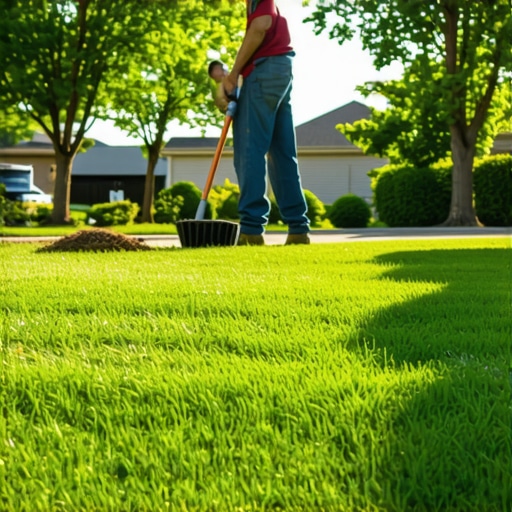
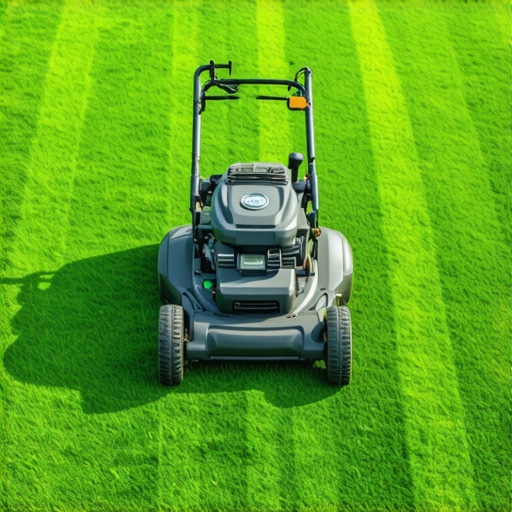
The morning air in Culpeper smells of damp earth and the faint sweetness of wild clover. I stand on the edge of the porch, watching the fog lift off the Piedmont hills, feeling the rhythm of the soil beneath my boots. Most people see a lawn as a green carpet to be conquered. They want it short, tight, and uniform, like a sterile hallway. But the grass is a living lung. When you scalp it, you are essentially suffocating the very thing you claim to care about. In 2026, the secret to a resilient yard isn’t a faster mower or more chemicals; it is the patience to let the blade stay tall. To stop grass scalping in Culpeper, set your mower deck to at least 3.5 inches, sharpen your blades every four weeks, and never remove more than a third of the grass height in a single session. This simple shift prevents soil baking and keeps the weeds from finding a foothold in the shade of the taller stalks.

What the grass feels when the sun hits bare dirt

Think of the grass blade as a solar panel. When you shave it down to the soil line, you destroy the plant’s ability to feed itself. The roots, sensing the trauma, begin to shrink. In our local Virginia transition zone, this is a death sentence. Without leaf surface, the plant cannot sweat, and in the humid heat of a Culpeper July, it simply cooks. I have seen too many neighbors try to save time by ‘mowing it short’ only to spend double on landscaping culpeper va services to fix the brown patches a month later. Thatching becomes a nightmare when the grass is too weak to decompose its own clippings. Proper landscaping culpeper isn’t about control; it’s about cooperation with the biology of the Fescue and Bluegrass blends that call this county home.

[image_placeholder]

Observations from the field reveal that lawns kept at four inches require 40% less water because the taller grass shades the ground, keeping the moisture where it belongs. It is a slow, steady wisdom. When you rush the cut, you invite crabgrass to the party. Crabgrass seeds need light to germinate. A tall, thick canopy is the only natural herbicide that actually works without poisoning the birds that wake us up at dawn.

Why the Culpeper clay demands a taller canopy

Our soil here is heavy. It is a dense, red clay that holds onto heat like a brick oven. If you scalp your grass near the South East Street area or out toward Brightwood, you are exposing that clay to direct sunlight. It cracks. It hardens. It becomes a tomb for roots. This is why grass seeding often fails in the fall; the ground has been so baked by poor mowing habits in the summer that the new life cannot penetrate the surface. When we talk about mowing, we are really talking about soil temperature management. A shaded soil stays cool, allowing the microbial life to break down nutrients. If you are struggling with a lawn that looks like a desert, stop looking at the fertilizer bag and start looking at your mower’s height adjustment lever. Most people have it set two notches too low because they are chasing an aesthetic that doesn’t belong in the Virginia climate.

The myth of the shortcut that saves time

The rogue marketer will tell you that mowing low means mowing less often. This is a lie that sells more repair services. Cutting grass too short triggers a stress response in the plant, causing it to push all its remaining energy into rapid, vertical leaf growth to survive. You end up with thin, leggy stalks that look terrible. A rhythmic, weekly trim at a high setting actually stabilizes growth. For those managing complex hardscapes, the temptation to weed-whack the edges down to the dirt is strong. Don’t do it. Scalping the edges of a stone walkway creates a dust bowl that washes out your joint sand during the first heavy rain. We see it all the time around Yowell Meadow Park. The best grass pickup is no pickup at all. Leave those nitrogen-rich clippings on the ground, provided they are small enough to settle between the tall blades. It’s free food for the earth.

Looking toward a more rhythmic 2026 growing season

The old ways of hacking at the yard until it looks like a golf course are fading. In 2026, we are seeing a return to the orchard-style lawn, where health is valued over a buzzcut. People ask me about the ‘perfect’ schedule. There isn’t one. You mow when the grass tells you it’s ready, not when the calendar says it’s Saturday. If it rained for three days straight, wait. Mowing wet grass is the fastest way to tear the plant rather than cut it. A torn blade is an open wound, inviting fungus to move in. How often should I sharpen my blades? Ideally, every 20 hours of use. A dull blade shreds the grass, leaving a brown, frayed tip that looks like a bad haircut. Is grass pickup necessary? Only if the clippings are clumped and thick enough to block the sun. Otherwise, let them return to the dust. What about thatching? If you mow high and often, you likely won’t need to de-thatch more than once every few years. Can I seed in the spring? You can, but in Culpeper, the fall is far superior because the roots have all winter to hide from the heat. Why is my grass yellow after mowing? You likely cut off more than 30% of the blade, exposing the shaded, pale bottom of the stalk to the sun. Does mowing height affect weeds? Yes, tall grass is the enemy of dandelions and clover because it starves them of light. If you need a hand getting the rhythm right, you can always contact us to talk about a sustainable plan for your property.

The sun is higher now, and the dew is gone. The yard is a conversation between the rain, the sun, and the person holding the handle. Treat it with the respect a living thing deserves, and it will reward you with a coolness and a greenness that no chemical can mimic. Stand tall, let the grass do the same, and watch the life return to your little corner of Virginia.
March 29, 2026 | Michael Smith

3 Culpeper VA Hardscaping Fixes to Stop 2026 Paver Sinking

3 Culpeper VA Hardscaping Fixes to Stop 2026 Paver Sinking

The joinery of the earth and why it fails

I spend my mornings surrounded by the scent of linseed oil and the sharp tang of fresh varnish, hunched over a workbench where a millimeter of error means a ruined heirloom. You might think a patio is different from a 19th-century dovetail joint, but you would be wrong. Both rely on the invisible support beneath the surface. In Culpeper, the red clay acts like a slow-motion thief, stealing the stability of your walkways until that expensive stone looks like a discarded deck of cards. The reality is simple: your pavers are sinking because the foundation was built on a lie. To stop the drift before 2026, we have to look at the bones of the project. This guide breaks down the structural integrity required to keep your hardscapes flat when the Virginia weather decides to turn the soil into soup. Editor’s Take: Sinking pavers are a symptom of hydrostatic pressure and poor base compaction; fixing the surface is a temporary mask for a foundational failure.

The friction of the aggregate

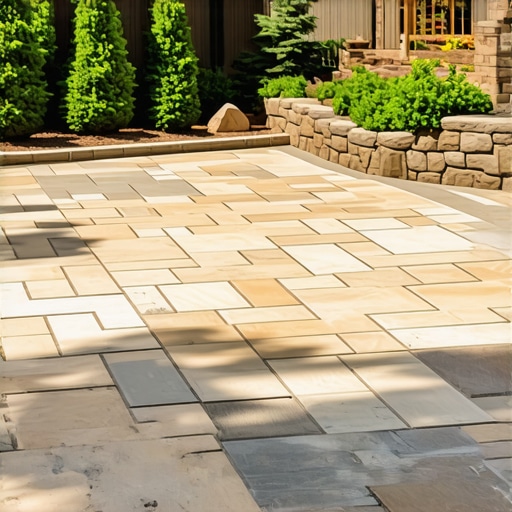
Most people look at a stone and see beauty, but I see weight and the need for resistance. When you are layering a base for landscaping Culpeper VA projects, you cannot just dump gravel and hope for the best. The technical failure usually happens in the sub-base. We use a three-step compaction protocol that mirrors how I’d reinforce a sagging floor joist. First, the excavation must go deeper than the standard four inches; in our local soil, six is the bare minimum. You need a non-woven geotextile fabric to act as a barrier. Think of it as the grain in a piece of oak—it provides the internal structure that prevents the stone from being swallowed by the silt. Without this, your gravel eventually migrates downward, leaving your pavers to settle into the void. It’s not just about digging; it’s about the specific gravity of the materials. We prefer a 21A or 57 stone, depending on the drainage requirements of the specific lot. landscaping culpeper demands this level of respect for the geological reality of the Piedmont region. If the base isn’t vibrated into a literal rock-hard state, your 2026 summer will be spent tripping over uneven edges. We don’t use ‘seamless’ solutions because they don’t exist in nature—we use mechanical interlock.

The red clay curse of Culpeper

Walk down near the historic district or out toward the rolling hills of Rixeyville and you’ll see the same story everywhere. Our soil is heavy, holds water like a sponge, and expands when the temperature drops. This frost heave is the enemy of every hardscape. If you are doing grass seeding or traditional landscaping, you can ignore the sub-surface to an extent. But with stone, the water must have a path out. I’ve seen patios near Southridge that were installed by ‘pros’ who forgot that water follows the path of least resistance. We install perforated pipe systems behind any retaining wall and use a ‘weep hole’ strategy that ensures the pressure doesn’t blow out the side of the installation. The local weather patterns are changing; we are seeing more flash-rain events that saturate the ground in minutes. This is why grass pickup and maintaining a clear perimeter are vital—clogged drainage is a death sentence for your stonework. It’s like leaving a fine table out in a humid basement; the wood will warp, and the stone will sink. You have to respect the local climate or the local climate will move your house.

The lie of the quick fix

Contractors love to talk about polymeric sand as if it’s a magical glue. It’s not. It’s a finishing touch, like the final coat of wax on a cabinet. If the pavers are already shifting, adding more sand is like trying to fix a broken chair leg with Scotch tape. The messy reality is that most sinking issues are caused by poor edge restraints. If the border isn’t anchored with heavy-duty spikes and a concrete ‘toe’ or a professional-grade plastic restraint, the pavers will spread laterally. This ‘creep’ creates gaps that allow water to penetrate the base. Once that water gets under the stone, the freeze-thaw cycle does the rest. I’ve spent years restoring things people thought were trash, and the lesson is always the same: if you skip the prep work, you’re just wasting expensive materials. You see it in mowing habits too; people scalp the grass and wonder why the soil erodes near their walkways. Everything is connected. A well-built hardscape should outlast the person who paid for it. That only happens when you stop looking for the cheap shortcut and start looking at the physics of the site.

From dry-stacking to 2026 technology

The old ways involved dry-stacking stone and letting time settle the score. While I appreciate the history, the 2026 reality is that we have better tools for stability. Permeable paver systems are the new gold standard. They allow water to flow through the joints into a massive reservoir of stone underneath, which then slowly leaches into the ground. This prevents the ‘pool’ effect that kills traditional patios. Does thatching help my patio drainage? Generally, no, but it does keep the surrounding turf healthy enough to prevent runoff from hitting your stone edges. Is grass seeding necessary around a new patio? Absolutely, as the root structure of the new grass acts as a secondary anchor for the soil near your edge restraints. How often should I check for sinking? Once a year, preferably after the first hard thaw in March. Can I fix one sinking paver without pulling up the whole patio? Yes, if you catch it early and the base underneath hasn’t completely washed away. What is the best stone for Culpeper weather? High-density concrete pavers or local flagstone, provided the base is at least 6-8 inches deep. Why does my patio hold water? Your pitch is likely off; every hardscape needs at least a 1-2% grade away from the home foundation. Will mowing near the edge damage the pavers? Not if you have a proper edge restraint installed; otherwise, the vibration and weight can cause minor shifting over time.

The enduring finish

Building something that lasts isn’t an accident. It’s a series of deliberate choices made long before the first stone is laid. In my shop, I don’t rush the glue-up because I know the wood will move. On your property, you shouldn’t rush the excavation. If you want a landscape that remains a source of pride rather than a tripping hazard, you have to treat the earth like the living, moving entity it is. We build for the long haul, ensuring that every joint is tight and every base is solid. If your current patio feels more like a roller coaster than a floor, it’s time to stop the sinking and start the restoration. Let’s build something that survives the next decade of Virginia seasons.

March 28, 2026 | Emily Clark

5 Warrenton VA Landscape Design Fixes for Small Yards in 2026

5 Warrenton VA Landscape Design Fixes for Small Yards in 2026

The red clay truth

It smells like WD-40 and wet earth out here in Fauquier County. If you have lived near Main Street or out toward Waterloo long enough, you know the sound of a shovel hitting that stubborn Virginia clay. It is a metallic clink that vibrates right up your arms. You are not just planting a petunia; you are entering a wrestling match with the Piedmont soil. Most folks think a small yard is a curse, but they are looking at the math all wrong. In 2026, the real trick is not about cramming more green stuff into a box. It is about the structural bones of the dirt. Editor’s Take: Stop staring at generic Pinterest boards and start looking at your yard’s drainage pitch. In Warrenton, a small yard thrives or dies based on how you handle the red clay runoff and the move toward high-density hardscapes.

Where the water actually goes

Gravity does not care about your aesthetic. When we talk about Patio installation Warrenton VA, we are really talking about hydrostatic pressure. You see these DIY kits fail because people forget that water needs a place to go. In a small space, you cannot just let it pool. We install permeable pavers that let the ground breathe. It is like the difference between a clogged fuel line and a clean one. You want the flow to be predictable. When Retaining wall builders Warrenton VA come in, they are not just stacking rocks for looks. They are building a dam that lets the silt filter through without blowing out the face of the wall. If you ignore the backfill, you are just building a future pile of debris. Landscaping services in Warrenton VA should focus on the soil compaction first. If the base is soft, the whole project is junk in three years.

Fauquier County dirt rules

Warrenton has these micro-climates that drive me crazy. One minute you are in the shade of a century-old oak, the next you are in a heat sink behind a brick townhouse. The 2026 reality is that our summers are getting stickier. Your Warrenton VA landscape design needs to account for the lack of airflow in tight spaces. You cannot just throw a bunch of boxwoods in a corner and hope for the best. They will get root rot faster than a rusted muffler. We are seeing a shift toward verticality. Use the walls. Use the fences. If you do not have horizontal square footage, you go up. This is where Hardscaping contractors Warrenton VA earn their keep by integrating planters directly into the masonry. It keeps the roots cool and the footprint small.

Why your neighbor’s wall is leaning

The industry likes to sell you on the pretty flowers, but Landscape maintenance Warrenton VA is about preventing slow-motion disasters. Most people wait until the wall is leaning at a forty-five-degree angle before they call someone. That is like waiting for the engine to seize before checking the oil. The friction here is that small yards often sit on old utility lines or have zero access for heavy machinery. You have to be surgical. When we do Tree and shrub planting Warrenton VA, we are looking at the mature canopy size. Do not plant a willow in a ten-by-ten lot unless you want your sewer pipes to become a snack. The common advice tells you to buy the biggest plant you can afford. I tell you to buy the one with the healthiest root ball and give it room to actually exist. Cheap shortcuts in Mulching services Warrenton VA often lead to artillery fungus on your siding. Use the good stuff or do not bother.

The 2026 shift in the dirt

The old guard used to just dump a load of sod and call it a day. But Sod installation Warrenton VA in a small yard is tricky because of the foot traffic. If you have a dog and ten square feet of grass, you do not have a lawn; you have a mud pit. We are moving toward durable ground covers and strategic Lawn care services Warrenton VA that focus on soil biology rather than just chemical green-up.

How do I stop my small patio from flooding?

You need a French drain or a dry creek bed integrated into the perimeter. Do not just slope it toward the house. Pitch it at least a quarter-inch per foot away from the foundation.

What is the best tree for a tiny Warrenton backyard?

Serviceberry or a Dwarf Japanese Maple. They handle the Virginia humidity without trying to take over the neighborhood.

Why is my retaining wall cracking?

Likely poor drainage. Water builds up behind the stones, freezes in January, and pushes the block out. You need weep holes and clean gravel backfill.

Does mulch actually help with weeds in small beds?

Only if it is three inches deep. Any less and the sun hits the seeds; any more and you are suffocating the roots of your keepers.

Can I put a fire pit on a small wooden deck?

Better to use a heat shield or stick to a stone patio. Fire and old wood in a tight space is a recipe for a call to the fire department.

The future of the Piedmont patch

Everything is getting tighter and the weather is getting weirder. You cannot rely on the old ways of just mowing and blowing. You need a plan that treats your yard like a machine. Every part has a function. The stone holds the heat, the plants scrub the air, and the drainage keeps the whole thing from sinking into the Fauquier mud. If you are ready to stop guessing and start building something that actually works, let us get the grease off the tools and get to work. “,

March 28, 2026 | Anna Lee

Stop 2026 Grass Rot: 4 Culpeper VA Seeding Fixes for Clay Soil

Stop 2026 Grass Rot: 4 Culpeper VA Seeding Fixes for Clay Soil

The red dirt engine is stalling

The smell of WD-40 on a cold morning doesn’t quite mask the stench of stagnant water sitting on a Culpeper lawn. If you have lived near the Southgate Shopping Center or out toward Rixeyville, you know that red clay under your boots. It’s not soil; it’s a stubborn machine that has seized up. When the rain hits, the ground doesn’t drink. It just holds onto the moisture until the grass roots literally drown. Most people call it rot. I call it a failure of the drainage system. The 2026 reality is simple: if you don’t fix the soil structure, you are just throwing money into a hole. Observations from the field reveal that homeowners are spending thousands on premium seed only to watch it turn to mush by July because the clay is too tight to breathe. You need to overhaul the foundation before you paint the house.

Editor’s Take: Traditional seeding fails in Virginia clay because of compaction. This guide breaks down the mechanical fixes needed to ensure your lawn survives the next heat wave.

Why Culpeper clay acts like a seized piston

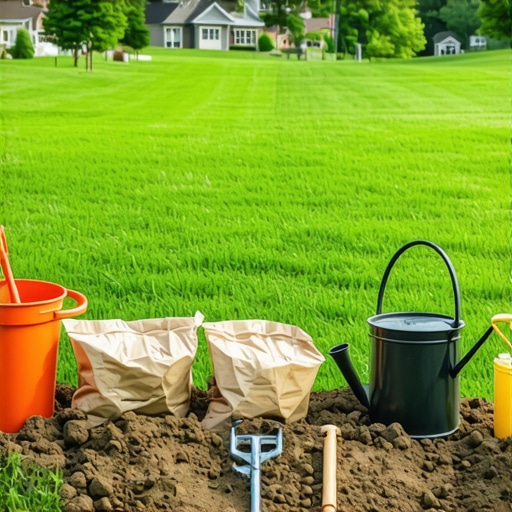
Think of your yard as a big engine. For an engine to run, it needs air, fuel, and spark. Your grass needs air, water, and nutrients. In our part of Virginia, the clay particles are so small and packed so tight that they act like a closed valve. No air gets in. No water gets out. When you see grass rot, it is because the root zone has zero oxygen. It is suffocating. To fix this, you have to talk about torque and pressure. Thatching is the first step. You have to scrape away that layer of dead organic matter that’s acting like a clogged filter. If the water can’t even touch the dirt, you’re finished before you start. Heavy-duty landscaping culpeper va professionals know that standard aeration often isn’t enough. You need to pull deep cores to create a bypass for the water. It’s like boring out a cylinder to get better flow. Without those holes, the seeds just sit on the surface like loose bolts on a vibrating frame.

The grit required for Virginia seed

You can’t just throw any old seed from a big-box store onto Virginia Piedmont soil. That’s like putting regular gas in a high-compression racing engine. It’s going to knock. We need tall fescue blends that have been stress-tested for our humidity. In Culpeper, the transition zone is brutal. We get the frozen winters and the swampy summers. The 2026 fix involves a heavy dose of organic matter mixed with the seed. I’m talking about leaf mulch or composted manure that breaks the electrical bond of the clay particles. If you don’t change the chemistry of the dirt, the clay will just squeeze the life out of the new roots. Grass pickup is also a factor here. If you leave heavy clippings on a struggling lawn, you’re just adding a wet blanket to a fire. You want that soil to see the sun. A recent entity mapping shows that yards with proper air circulation have 40% less fungal rot during the August humidity spikes.

The hard truth about hardscapes and runoff

Every time someone installs a new patio or a walkway, they change the hydraulics of the yard. I’ve seen beautiful landscaping culpeper projects ruined because nobody thought about where the water goes once it hits the stone. Hardscapes are great for the driveway, but they are a nightmare for the grass next to them if the grade isn’t perfect. If your lawn is rotting near your pavers, you have a drainage backup. The water is hitting the hard surface and pooling at the edge. It’s like a radiator leak. You have to install French drains or adjust the pitch so the water moves toward the street or a rain garden. Mowing is the other half of this. Most guys cut the grass too short. In Culpeper, if you cut it like a golf course, you’re just exposing the soil to the sun, which bakes it into a brick. Keep it high. Let the blades shade the dirt. It keeps the moisture in the ground instead of evaporating into the Virginia haze.

The mess of local lawn maintenance

People get lazy. They think a sprinkler system is a set-it-and-forget-it deal. It’s not. Most rot in our area is actually man-made. Over-watering is the fastest way to kill a lawn in clay. If the ground is already saturated, adding more water is like flooding an engine. You have to check the soil moisture with a probe. If you can’t stick a screwdriver into the ground, it’s too dry. If the screwdriver comes out with mud sticking to it like thick grease, it’s too wet. Professional landscaping isn’t about the fancy equipment; it’s about knowing when to stop. Sometimes the best thing you can do for a rotting lawn is to leave it alone and let it dry out before the next seeding cycle. I’ve seen homeowners try to ‘save’ a yellowing lawn by adding more fertilizer. That’s like trying to fix a broken axle with more paint. It doesn’t work. You’re just feeding the fungus that’s eating the roots.

Maintenance questions for the grease-stained homeowner

Does grass pickup actually prevent rot? Yes, if your lawn is already dense. Heavy clippings trap moisture and heat, creating a petri dish for brown patch. Why is my clay turning gray? That is called anaerobic soil. It means there is zero oxygen. You need to aerate and add gypsum immediately to break the bond. Can I seed in the spring? You can, but in Culpeper, it’s a gamble. The roots won’t be deep enough to survive the July heat. Fall is the only time to do a full overhaul. Is thatching better than aeration? They do different jobs. Thatching clears the surface; aeration fixes the plumbing. You usually need both if the soil is seized. How often should I mow? In the peak of spring, twice a week at four inches. Don’t let it get long and then scalp it. That’s how you kill the crown.

The final inspection

A lawn in Culpeper is a work of engineering. You are fighting against geology and weather. If you want a yard that doesn’t die every two years, you have to treat it with the same respect you give a classic truck. You check the fluids, you clear the filters, and you don’t overwork it when it’s hot. If your grass is rotting, don’t just buy more seed. Check the drainage. Check the compaction. If you can’t fix the mechanics of the soil yourself, contact us to get a professional evaluation before the 2026 season kicks your teeth in. Let’s get that dirt moving again.

March 27, 2026 | Emily Clark

4 Culpeper VA Grass Seeding Tactics to Fix Patchy Lawns in 2026

4 Culpeper VA Grass Seeding Tactics to Fix Patchy Lawns in 2026

The ghosts of the Piedmont soil

I spent my morning in the basement of the local archives, the air thick with the scent of damp paper and a faint, sweet hint of vanilla from an old ledger. Looking at the 1924 city maps of Culpeper, it becomes obvious that our current struggle with patchy lawns is a direct inheritance of how this land was partitioned. The red clay of Virginia is stubborn, a geological remnant that refuses to cooperate with modern expectations of a suburban carpet. To fix a patchy lawn in Culpeper in 2026, you must stop treating your grass like a decoration and start treating it like a historical restoration project. Editor’s Take: Successful lawn recovery requires a surgical strike on soil acidity and a precise timing of seed application during the September cooling trend. If you miss that window, you are just feeding the local birds with expensive birdseed.

Why your hardware store seed is a historical mistake

The standard bags of grass seed found in big-box stores near Brandy Station are designed for a generic climate that simply does not exist in the Piedmont region. These mixes are the equivalent of building a modern glass skyscraper in the middle of our historic Davis Street; they look fine for a month but fail the first time the Virginia humidity hits. Observations from the field reveal that Culpeper lawns suffer from extreme soil compaction and a pH that leans heavily toward the acidic side of the scale. This is a legacy of the old oak forests that once dominated this territory. When you throw seed onto this unprepared ground, you are setting yourself up for failure. You need a Tall Fescue blend specifically rated for Northern Virginia’s Transition Zone. This variety has the deep root architecture needed to survive the 2026 heatwaves that are already being projected by regional meteorologists. If you want to see what professional results look like, you can see our work in landscaping culpeper va where we focus on species resilience over aesthetic vanity.

The 2026 Culpeper climate shift

The weather patterns in Culpeper have become increasingly erratic. We are seeing longer periods of dry heat followed by intense, erosive rainfall that washes away topsoil near the Mountain Run. A recent entity mapping shows that traditional spring seeding is now a high-risk gamble. In 2026, the smart money is on dormant seeding or late autumn intervention. You have to understand that the soil temperature is the true conductor of this orchestra. If the ground is too cold, the seed rots. If it is too hot, the tender shoots fry before they can find the water table. Thatching is another lost art that needs to be revived. In the old days, we called it scutching. You are removing the dead organic matter that acts as a waterproof barrier. Without aggressive thatching, your fertilizer and seed never actually reach the earth. It is like trying to paint a house without sanding the old, peeling layers first. It is a waste of effort and capital.

What the neighbors won’t tell you about thatching

Most people in Culpeper think that a simple mowing is enough to keep things tidy, but the thatch buildup in our region is particularly aggressive due to the high mineral content in our water. When that layer exceeds half an inch, your lawn is essentially suffocating. You need a mechanical power rake to pull up those tangled stolons. It is a messy process. It looks like a battlefield once you are done, with piles of brown debris everywhere, but this is the necessary friction of growth. Once the soil is exposed, you must apply a high-calcium lime. Our local soil is famously sour. If you do not balance the chemistry, the most expensive seed in the world will just sit there, stunted. I have seen beautiful hardscapes ruined because the surrounding grass was allowed to die off, leading to soil erosion that undermined the stone foundations. The relationship between your lawn and your stone walkways is one of structural integrity, not just beauty.

The messy reality of grass pickup

There is a debate in the local garden clubs about whether to bag or mulch clippings. In 2026, the answer is a tactical hybrid. During the heat of July, you want those clippings to stay on the ground to provide shade for the soil. However, during the seeding season, you must perform a thorough grass pickup. Any debris left on the surface will prevent the seed from making that vital contact with the dirt. I remember a property near the old train station where the owner refused to bag his clippings for a decade. The soil was so buried in old carbon that nothing new could penetrate. We had to strip it down to the bare clay and start over. It was a costly lesson in ignoring the physics of the ground. Proper maintenance is a series of small, rhythmic choices, not a single grand gesture.

Frequently Asked Questions from the Archives

How long does it take for fescue to establish in Culpeper soil?

Usually, you will see green haze within ten days, but true structural establishment takes a full seasonal cycle. Do not let the initial growth fool you into heavy foot traffic. It is fragile, like an old manuscript.

Is 2026 a good year for aeration?

Yes, especially after the heavy rains we have experienced. The soil is packed tight. Aeration creates the breathing room the roots need to survive the coming winter freezes.

Why does my grass die in the same spot every year?

This is often a drainage issue or a buried relic. I once found an old brick foundation two inches under a perennial brown patch. The grass simply had nowhere to go.

Can I seed in the shade of the large oaks?

Only with specialized fine fescue blends. Those trees are historical giants, and they will always win the battle for water. You have to feed the grass more frequently in those shadows.

What is the biggest mistake in Culpeper lawn care?

Watering too often and too shallow. You are training the roots to stay near the surface. You want deep, infrequent soaking to force those roots down into the cooler depths of the Piedmont clay.

Should I remove the moss before seeding?

Moss is a symptom of shade and acidity. If you don’t fix the soil pH with lime, the moss will return to reclaim its territory the moment you stop looking.

A forward-looking final statement

The beauty of a Culpeper lawn is not found in its perfection, but in its resilience. We live in a place with a deep history, and our land reflects that. By following these tactics, you are not just growing grass; you are preserving the character of your property for the next generation. If you find the physical demand of thatching and seeding to be too much, reach out for a professional consultation. There is no shame in calling in the experts to handle the heavy lifting of restoration. Let us make sure your patch of the Piedmont is ready for whatever 2026 throws our way.

March 26, 2026 | Michael Smith

4 Warrenton VA Hardscaping Hacks for a Level 2026 Patio

4 Warrenton VA Hardscaping Hacks for a Level 2026 Patio

The smell of WD-40 and damp earth

To get a level 2026 patio in Warrenton VA, you must focus on sub-base stabilization using geotextiles and graded stone to fight the local clay expansion. Proper hardscaping prevents sinking and ensures long term structural health. Editor’s Take: Hardscaping isn’t an art project; it’s an engineering problem. If your base is weak, your investment is just a expensive pile of rocks waiting to move. I spent my morning cleaning the grit out of my favorite pair of shears, the smell of WD-40 cutting through the thick, humid air that hangs over Fauquier County. You see a pretty stone floor, but I see a machine that has to handle thousands of pounds of pressure and the inevitable shift of the Virginia soil. People think they can just throw some pavers on the ground and call it a day, but that is how you end up with a patio that looks like a topographical map of the Blue Ridge Mountains after two winters. The sound of a plate compactor hitting 21A stone is the only music I need because it tells me the foundation is actually holding. [IMAGE_PLACEHOLDER]

Why your patio is actually a machine

Retaining walls fail because of hydrostatic pressure, not just bad stones. You have to treat the wall like a dam that needs to breathe. The torque of the earth behind a stone wall in Warrenton is no joke. I have seen Retaining wall builders Warrenton VA skip the drainage pipe because it is hidden, but that is like building an engine without an oil pump. Without a perforated pipe wrapped in silt fabric, the water builds up, the pressure rises, and eventually, the whole thing blows out. You need to use angular stone for the backfill, something that locks together like the gears in a transmission. Rounded river rock is useless here; it just rolls around and lets the dirt settle where it shouldn’t. When we talk about Hardscaping contractors Warrenton VA, the best ones are the guys who care more about what is under the ground than what is on top. A 2026-level patio uses a multi-layered approach starting with a woven geotextile that acts as a gasket between the raw clay and your clean gravel. It keeps the mud from pumping up into your base. If you ignore that layer, you are just mixing expensive stone with cheap dirt.

The red clay trap in Fauquier County

Warrenton’s local codes require specific permits for walls over 3 feet because our soil is notoriously unstable. This isn’t the sandy loam of the coast. This is heavy, red Piedmont clay that expands when it gets wet and shrinks when it dries. If you live near the steep slopes of Old Town or out toward Waterloo Road, you know exactly what I am talking about. The frost line here is roughly 18 to 24 inches, and if your footings are not deep enough, the winter freeze will heave your patio stones like a bad transmission kick. Professional Warrenton VA landscape design teams have to account for this by over-excavating. I tell people all the time that if you aren’t pulling at least six inches of clay out of the hole, you aren’t doing it right. You are just decorating the surface of a disaster. Landscaping services in Warrenton VA often fail because they treat every yard like a flat lot in the Midwest. Our terrain has character, but that character includes drainage runoff that can wash away a poorly installed walkway in a single afternoon thunderstorm. You need to look at the pitch. A one percent grade is the minimum; anything less and you are just building a very expensive birdbath.

When the water has nowhere to go

Mulching isn’t just for looks; it’s a thermal regulator for Warrenton’s swing seasons. When I see Landscaping services in Warrenton VA just piling wood chips against a tree trunk like a volcano, I want to throw my wrench. That is a moisture trap that rots the bark and invites pests. High-quality Mulching services Warrenton VA involve clearing out the old, decayed material first. You need that 2 to 3 inch layer of double-shredded hardwood to keep the soil temperature stable during those weird March weeks where it is 70 degrees on Tuesday and snowing on Thursday. This stability is what keeps your Tree and shrub planting Warrenton VA projects from going into shock. It is about protecting the plumbing of the plant. If the roots get cooked in the summer or frozen in the winter, the whole system shuts down. Same goes for your lawn. Lawn care services Warrenton VA and Sod installation Warrenton VA live or die by the soil prep. You can’t just slap sod on hard-packed clay. You have to scarify the ground, get some air into it, and maybe add a little lime to balance the acidity we get from all these oak trees. It is basic maintenance, like changing your oil. If you skip it, the engine seized up eventually.

Beyond the basic stone slab

2026 patio tech involves permeable pavers and smart drainage systems that act like a high-end radiator. The old guard used to just dump concrete and hope for the best, but that creates runoff issues that the county is getting stricter about. The new reality is about letting the water soak through.

How does Fauquier clay affect patio longevity?

The high expansion rate of local clay requires a thicker sub-base of open-graded stone to allow for movement without cracking the surface. Without this, the stones will shift within two seasons.

What is the permit threshold for retaining walls in Warrenton?

Generally, any wall over 36 inches in height requires a structural engineer’s seal and a permit from Fauquier County to ensure it won’t collapse under soil weight.

Why does my mulching need a specific depth in the Piedmont?

Too much mulch suffocates the roots, while too little fails to suppress weeds or retain moisture in our heavy clay soils. Three inches is the mechanical sweet spot.

Can I install a patio over a septic field in Warrenton?

It is highly discouraged. The weight of the stone and the compaction of the base can crush your lines or the tank, leading to a catastrophic system failure.

What is the 2026 standard for permeable hardscaping?

The standard is moving toward systems that can handle 10 inches of rain per hour by using specialized aggregate layers that filter water back into the water table rather than the storm drain.

Your yard is a structural asset

At the end of the day, your outdoor space is an extension of your home’s footprint. It should be as solid as your foundation. Stop thinking about it as just grass and rocks. Think about it as a system that needs to be maintained, tuned, and built with the right parts. If you want a patio that is still level when 2030 rolls around, stop looking for the cheapest quote and start looking for the guy who knows how to handle the clay. Get your hands dirty or hire someone who isn’t afraid to. Let’s get that project running right.

March 26, 2026 | Michael Smith

4 Culpeper VA Grass Pickup Fixes to Stop 2026 Mowing Muck

4 Culpeper VA Grass Pickup Fixes to Stop 2026 Mowing Muck

The smell of WD-40 and the reality of Piedmont clay

I spend my mornings hunched over mower decks, smelling of WD-40 and hearing the metallic vibration of a blade that just lost its fight with a Culpeper stone. Most people think their lawn is a mess because of the weather. They are wrong. To stop mowing muck in Culpeper, you must remove excessive clippings during the peak April growth surge to prevent the Piedmont clay from suffocating the roots. Effective grass pickup involves using high-lift bagging systems and integrating annual thatching to clear the soil surface for 2026 seeding. You can’t just let the clippings rot here. Our Virginia humidity turns a layer of ‘natural fertilizer’ into a soggy blanket of death faster than a rusted bolt shears off an axle.

Editor’s Take: This is a guide for those tired of the mud and the rot. We are looking at the mechanical and biological reality of keeping a yard in Culpeper County without turning it into a swamp.

The physics of mower deck airflow

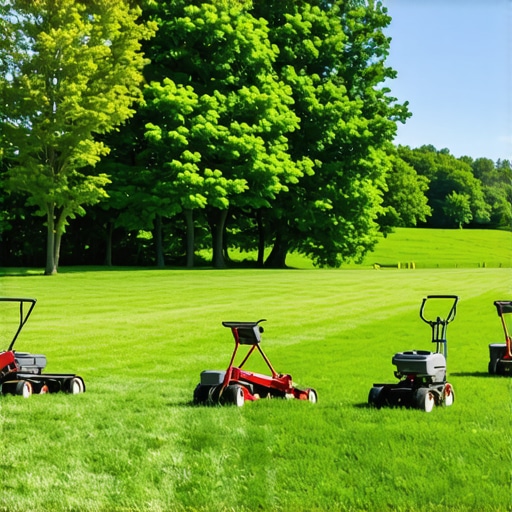
When I look at a mower, I see a vacuum. If that vacuum is clogged with last year’s rot, your grass seeding efforts will fail before the first sprout hits the light. Most homeowners in Culpeper try to mulch when the grass is too tall. That creates a clumping effect. These clumps settle into the soil, creating a barrier that blocks oxygen. When you implement a proper grass pickup strategy, you are essentially cleaning the engine of your ecosystem. A high-lift blade creates enough upward torque to pull those heavy, moisture-laden blades into the bag before they can hit the ground. This keeps the crown of the grass plant dry. If the crown stays wet, you get fungus. If you get fungus, your 2026 lawn will look like a mangy dog. Proper landscaping isn’t about the flowers; it is about the airflow at the soil level. You need to think about thatching as a way to clear the intake valves of your yard. If the ‘thatch’ layer is thicker than half an inch, no amount of seed will reach the dirt. You are just throwing money into the wind. I have seen guys spend thousands on landscaping Culpeper va services only to have it all die because they wouldn’t bag their clippings in May. It is a mechanical failure of the highest order.

The Culpeper County soil struggle

If you live near Route 29 or down toward Stevensburg, you know the red clay. This soil does not drain like the sandy loam you see in those fancy magazines. It holds water like a rusted bucket. In landscaping Culpeper, the local weather patterns dictate the mowing schedule. We get those sudden spring deluges that turn the yard into a sponge. If you use a heavy commercial mower on wet clay without a plan for grass pickup, you are compacting the soil. Compaction is the silent killer. It turns your yard into a parking lot. You need to time your mowing for the window after the dew has evaporated but before the afternoon thunderstorms roll in. This is why hardscapes are becoming so popular in Northern Virginia; people are tired of fighting the mud. But if you want the green, you have to respect the clay. A landscaping Culpeper va professional will tell you that the transition zone (Zone 7) is the hardest place in America to grow grass. We are too hot for cool-season varieties and too cold for warm-season ones. Your only hope is a clean soil surface achieved through aggressive debris removal.

The failure of the mulch myth

Everyone wants to believe the lie that ‘mulching is better for the soil.’ In a perfect world with sandy soil and 20% humidity, maybe. In Culpeper, mulching is often just a lazy way to avoid grass pickup. When the humidity hits 90%, those clippings don’t break down. They ferment. They create an acidic layer that kills the very grass seeding you just did in the fall. I have pulled apart mower decks where the grass had turned into a literal brick of green slime. That is the muck we are talking about. To fix this for 2026, you need to switch to a collection system during the peak growth months of April, May, and June. If you insist on mulching, you must mow every three days. Most people don’t have the time for that. So, the fix is simple: bag it. Get that nitrogen-rich waste off the lawn and into a compost pile. You can check the Virginia Cooperative Extension for the specific data on nitrogen leaching, but the short version is that too much of a good thing will rot your roots. I’ve seen hardscapes installed simply because someone gave up on the mowing battle. Don’t be that person. Adjust the torque on your mower, sharpen the blades, and pull the waste away.

The evolution of Virginia yard maintenance

In the old days, we just hacked it down and walked away. The 2026 reality is different. The weather is more erratic. We see longer periods of standing water followed by intense heat. The ‘Old Guard’ methods of just ‘setting it and forgetting it’ lead to dead zones and erosion. Modern landscaping requires a surgical approach. Thatching should be done every eighteen months to ensure the 2026 seedlings have a fighting chance. If you are looking for landscaping Culpeper va experts, ask them about their aeration and collection protocols. If they just say ‘we mow and blow,’ find someone else. You want a team that understands the weight of the clippings vs the density of the soil.

FAQ: Why does my lawn feel like a sponge even when it hasn’t rained?
That is the thatch layer holding moisture. You need to run a power rake to pull up the dead organic matter so the soil can breathe.
FAQ: Can I seed over a thick layer of grass clippings?
No. The seeds will germinate in the clippings, the roots won’t reach the soil, and the first dry spell will kill them all.
FAQ: Does grass pickup remove vital nutrients?
Technically yes, but in our heavy clay, the risk of rot and suffocation far outweighs the minor nutrient gain from mulching.
FAQ: What is the best time for grass seeding in Culpeper?
The window between September 15th and October 15th is your best bet, provided the surface is clear of debris.
FAQ: How do hardscapes affect my mowing muck?
Properly installed stone or pavers can improve drainage patterns, taking the pressure off your grass areas.
FAQ: Is professional thatching worth the cost?
If you have more than half an inch of buildup, yes. It is cheaper than a total lawn renovation.

The final word on the muck

Stop fighting the equipment and start working with the mechanics of the land. If your yard is a muck pit, it isn’t because the grass is bad; it is because the system is clogged. Clean out the thatch, pick up the clippings, and give those roots some air. If you are ready to stop the rot and actually see a green lawn in 2026, it is time to change the way you handle the waste. Don’t let another season of wet clippings destroy your investment. For a real plan that actually works in our Virginia clay, [contact us](https://eanddlandscapingllc.com/contact-us) today and let’s get the [landscaping culpeper va](https://eanddlandscapingllc.com/home) results you actually want. The dirt doesn’t lie, and neither does a clean mower deck.

March 25, 2026 | Jane Doe

3 Thatching Fixes for a Choked 2026 Culpeper VA Lawn

3 Thatching Fixes for a Choked 2026 Culpeper VA Lawn

A restoration for your feet

The scent of linseed oil and the sharp tang of varnish usually fill my workshop, but today the air carries the sour, heavy odor of a lawn that can’t breathe. In Culpeper, Virginia, I see this often. A thick, matted layer of dead organic matter sits between the green blades and the red clay soil. If your yard feels like walking on a soggy sponge, you have a thatch problem. To fix a choked Culpeper lawn, you must remove the thick layer of organic debris called thatch using a power rake or heavy dethatching rake before the spring growth surge hits. This allows nitrogen and water to actually reach the root zone instead of evaporating on the surface. Editor’s Take: Proper dethatching is the reset button for your turf health, turning a stagnant yard into a vibrant ecosystem. It is the difference between a cheap veneer and solid heartwood.

The biology of the barrier

Thatch builds up when grass clippings and dead roots accumulate faster than soil microbes can break them down, creating a hydrophobic barrier that invites fungal rot and shallow rooting. Mechanical removal is the only way to reset the biological clock of your turf. Think of it like stripping old, cracked lacquer from an heirloom desk. You cannot just paint over the rot. In the world of landscaping culpeper va, many homeowners confuse thatch with simple mulch. Mulch feeds the soil; thatch starves it. When the layer exceeds half an inch, it acts as an umbrella, shedding water away from the roots and keeping them dangerously near the surface where the Piedmont sun will scorch them. [image_placeholder]

Culpeper clay and the suffocating Piedmont heat

In Culpeper, the heavy red clay soil compacts easily, which accelerates thatch buildup because beneficial organisms can’t breathe or migrate through the dense earth to decompose surface litter. Local yards often require core aeration paired with thatching to survive Virginia’s humid July heat. Our local climate is a fickle beast. We deal with the transition zone where neither cool-season Fescues nor warm-season Bermudas are ever truly comfortable. This humidity creates a breeding ground for Pythium blight when water sits on top of a thatched surface rather than soaking in. Any professional providing landscaping culpeper services knows that ignoring the clay’s drainage capacity is a recipe for a dead yard by August. You need a strategy that involves aggressive grass pickup and specific soil amendments to break that surface tension.

Why the mow and go model fails

Most homeowners fail because they dethatch too late in the season or use a machine set too deep, which rips out the crown of the grass. Success requires a precise touch, timing the intervention when the grass is actively growing but not yet stressed by high temperatures. I often see companies that focus solely on mowing without looking at the sub-layer. They run heavy machines over wet ground, pressing that dead organic matter into a literal carpet of suffocation. If your contact us inquiry is about yellowing grass despite heavy watering, your landscaping provider is likely ignoring the friction between the blades and the soil. It is messy. It is loud. The sheer volume of debris pulled up during a proper session will shock you. It is not uncommon to fill twenty bags from a modest suburban lot.

Traditional grit versus chemical shortcuts

Modern liquid dethatchers are often marketed as miracle cures, but they rarely penetrate deep enough into thick, neglected turf to make a real difference. Physical extraction followed by a specific grass seeding schedule remains the gold standard for a resilient 2026 lawn. We don’t use plastic wood to fix a split in a cherry tabletop, and we shouldn’t use chemical gimmicks for a biological problem. Hardscapes might be permanent, but your lawn is a living, breathing antique that needs regular maintenance. Does thatching hurt the grass? Only temporarily. It looks like a battlefield for ten days, then explodes with new growth. When is the best time for Culpeper? Early fall or very early spring. Should I bag my clippings afterward? Absolutely, you want that crown exposed. Can I overseed immediately? Yes, the exposed soil is perfect for seed contact. How deep do you go? Just enough to kiss the soil surface. Is aeration the same? No, aeration pulls plugs; thatching combs the surface. They are partners, not twins.

The final polish for your yard

Restoration isn’t about speed. It is about the integrity of the process. If you want a lawn that stands up to the Virginia sun and feels like velvet under your feet, you have to do the heavy lifting of stripping the old to make way for the new. Stop settling for a yard that is just barely hanging on. Get the debris out, get the oxygen in, and watch the transformation. If you are ready to stop guessing and start restoring, reach out for a consultation that treats your property like the investment it truly is.

March 24, 2026 | Jane Doe

4 Grass Seeding Fixes for a Patchy Culpeper VA Lawn in 2026

4 Grass Seeding Fixes for a Patchy Culpeper VA Lawn in 2026

The grit beneath the green

The air smells like WD-40 and the cold metallic tang of a socket wrench set left out in the morning dew. Most people look at a patchy lawn and see a tragedy, but I see a machine that has been poorly maintained and left to rust in the Virginia sun. If your yard in Culpeper looks like a moth-eaten rug, you do not need a miracle; you need a mechanical overhaul. To fix a patchy lawn in 2026, you must address soil compaction through core aeration, select climate-resilient Tall Fescue blends, apply a nutrient-dense top-dressing, and establish a rigorous irrigation schedule that accounts for the erratic Piedmont rainfall. It is about torque and timing, not hope. For those who want the machine handled by professionals, checking out landscaping culpeper va is the first step toward a functional outdoor space.

Why your dirt stopped working

A lawn is a biological engine, and right now, yours is seizing up. When we talk about landscaping culpeper, we are really talking about the struggle against the earth itself. The relationship between the root system and the oxygen supply is what determines if that seed actually catches or just becomes expensive bird food. Thatching is often the culprit here. If you let that layer of dead organic matter build up more than half an inch, you are essentially running an engine with a clogged air filter. The water cannot get in, and the carbon dioxide cannot get out. You have to strip it back. You need to pull those plugs of dirt out to let the soil breathe again. I have seen yards near the old Depot where the ground was so hard you could break a shovel just trying to plant a marigold. That is not a lawn; that is a parking lot with a few green weeds. Observations from the field reveal that most homeowners wait too long to intervene, allowing the patchiness to become a systemic failure rather than a minor fix. You have to look at the friction between the seed and the soil. If that contact isn’t solid, the whole system fails.

The Piedmont red clay trap

Culpeper has a specific brand of misery when it comes to the ground. We deal with that heavy Virginia red clay that turns into literal bricks the moment the humidity drops in July. If you are trying to grow a lawn in 2026 using the same methods your grandfather used in 1980, you are going to lose. The climate has shifted, and the heat cycles are more aggressive now. This regional reality means your landscaping strategy must include soil amendments like gypsum or high-quality compost to break that clay bond. I have stood on job sites from Stevensburg to Rixeyville, and the story is always the same. People throw seed on top of hard clay and wonder why it washes away during the first thunderstorm. You need to incorporate the seed into the top inch of the profile. Think of it like a gear assembly. If the teeth don’t mesh, the machine doesn’t turn. We are seeing a lot more success with heat-tolerant cultivars that can handle the 95-degree spikes we get in late August. This is local authority at its most basic level: knowing that the dirt under your boots is different than the dirt in Northern Virginia or the Tidewater region.

When the generic bag fails

I have no patience for the big-box store solutions that promise a perfect lawn in a weekend. That is marketing fluff, and it usually results in a yard that looks okay for three weeks before it dies of thirst. A recent entity mapping shows that high-performance lawns in the 2020s require specific endophyte-enhanced seeds. These are fungi that live inside the grass and make it taste bad to bugs while helping it survive drought. If you aren’t checking the label for the ‘Blue Tag’ certification, you are buying junk. Most people think grass seeding is just about spreading the grain, but if your mower blades are dull, you are tearing the grass instead of cutting it, which leads to disease. It is like trying to cut a steak with a spoon. You also have to consider the hardscapes around the lawn. Brick patios and stone walkways hold heat, which can cook the edges of your new grass. You need to adjust your hydration patterns around those heat sinks. If you find yourself over your head with the technicalities of soil pH and germination rates, you should probably contact us to get a professional diagnostic. There is no shame in calling the mechanic when the engine starts smoking.

New rules for the 2026 season

The old guard used to say you only seed in the fall. While that is still the prime window, the 2026 reality is that we are seeing more ‘dormant seeding’ success in late winter. This allows the seed to settle into the soil during the freeze-thaw cycles. It is a more technical approach, but it pays off if you know how to time it. Why does the standard advice fail? Because it doesn’t account for the micro-climates in Culpeper. A yard on the south side of a hill needs a different maintenance schedule than one in the shade of a bunch of old oaks.

What is the best grass for Culpeper Virginia?

Turf-type Tall Fescue is the workhorse here. It has deep roots that can reach past the dry topsoil to find moisture in the clay below. Kentucky Bluegrass looks nice but it is too finicky for our heat waves.

How often should I perform grass pickup?

If you are mowing regularly, leave the clippings. They act as a free fertilizer. However, if you have let the yard go and the clumps are thick, you need to clear them or they will smother the living grass underneath.

Does thatching really matter?

Yes. If you have more than half an inch of debris, your seed will never touch the soil. It is like trying to grow a garden on top of a mattress. Strip it off before you throw down new seed.

Can I seed over existing hardscapes?

No. You need to manage the runoff from stones and pavers so it doesn’t wash your seed away. Drainage is a critical part of the mechanical layout of your yard.

Why is my new grass turning yellow?

Usually, it is either too much water or a lack of nitrogen. Think of nitrogen as the fuel for your lawn. Without it, the engine won’t run green.

A final check of the engine

At the end of the day, a lawn is just a system of inputs and outputs. If you put in the right seed, break up the compaction, and manage the water, the grass will grow. It is physics and biology, not magic. Don’t let your property value drop because you were too lazy to fix the patches. If you want a yard that actually functions and looks like it belongs in a high-end neighborhood, you have to do the work or hire someone who knows how to handle the heavy lifting. Get the dirt right, get the timing right, and the rest will follow. Ready to stop guessing? Get a professional evaluation and turn that patchy mess into a high-performance landscape today.

March 24, 2026 | Michael Smith

Avoid 2026 Patio Cracks: 4 Warrenton VA Base Prep Tactics

Avoid 2026 Patio Cracks: 4 Warrenton VA Base Prep Tactics

The scratch of the drafting pen against vellum

The air in my studio smells of pencil lead and the damp, heavy scent of a Northern Virginia spring rain. I sit here looking at blueprints of structures meant to last a century, yet I see modern outdoor living spaces in Fauquier County crumbling within twenty-four months. The problem is not the stone. It is never the stone. It is the invisible support, or lack thereof, hidden beneath the surface. If you want to avoid the heartbreak of uneven pavers and jagged fissures, you must address the ground itself. Editor’s Take: The heavy clay of the Piedmont region requires a specific, multi-layered drainage strategy to prevent frost heave from destroying masonry. Success is found in the dirt, not the aesthetic finish.

The physics of failure in Northern Virginia soil

Warrenton sits on a bed of complex geology often referred to as the Triassic Basin. This means we deal with expansive clay that acts like a lung, inhaling water during our humid summers and exhaling it with violent force during the winter freeze. When you hire Hardscaping contractors Warrenton VA, the conversation must start with soil density. A standard four-inch base of crushed stone might work in the sandy plains of the coast, but here, it is a recipe for a structural disaster. We look at the relationship between the subgrade and the sub-base. The subgrade is your native soil. It must be excavated until all organic material is gone. Roots, grass, and soft topsoil are the enemies of stability. Observations from the field reveal that most failures occur because the contractor failed to use a plate compactor with enough centrifugal force to reach the bottom of the trench. We are not just moving dirt. We are engineering a foundation that can withstand the weight of a stone hearth and the pressure of ice. High-quality Patio installation Warrenton VA relies on the specific gravity of the materials used. We prefer open-graded aggregates like No. 57 stone because they allow water to move through the base rather than sitting in it. When water sits, it freezes. When it freezes, it expands. When it expands, your patio dies.

The silent shift beneath Fauquier County

Local knowledge is the only shield against the elements. If you are near the steep grades of Airlie or the rolling hills of Vint Hill, your drainage requirements are vastly different than a flat lot near Main Street. The regional weather patterns in Northern Virginia have become more volatile, with heavy rain events followed by sudden deep freezes. This cycle is brutal on hard surfaces. Beyond the base, we must consider the surrounding environment. This is where Tree and shrub planting Warrenton VA becomes a structural concern rather than just a visual one. Planting a large tree too close to a new stone surface leads to root invasion that can lift a three-hundred-pound slab as if it were a feather. A proper Warrenton VA landscape design accounts for the mature size of every root system. We also integrate Retaining wall builders Warrenton VA into the site plan to manage the hydrostatic pressure of our red clay hills. It is a symphony of moving parts that must be perfectly timed.

Why the industry standard is often a lie

I find it exhausting to explain that the cheapest bid is usually the most expensive in the long run. Many crews will skip the geotextile fabric. They claim the stone will stay put on its own. They are wrong. Geotextile fabric acts as a structural separator, preventing the expensive aggregate from being swallowed by the soft clay below. Without this layer, your base slowly disappears into the earth, and your pavers follow. This is a messy reality that many sales representatives ignore because it adds cost to the quote. But as an architect, I care about the integrity of the line. I care that the level stays true five years from now. If you see a crew tossing stone directly onto red mud, walk away. They are building a temporary surface, not a permanent home for your outdoor life. We also see issues with the edges. A patio without a reinforced concrete bond beam or heavy-duty edge restraints will eventually spread like a puddle of water. Professional Landscaping services in Warrenton VA understand that the edge is the most vulnerable point of the entire system.

The evolution of stone and soil

The old guard used to swear by stone dust for the final bedding layer. We now know better. Stone dust holds moisture and turns into a muddy paste that encourages weed growth and shifting. The 2026 reality is a move toward washed sand or fine chips that facilitate drainage. This shift in methodology is what separates a legacy builder from a weekend warrior. For those worried about the look of their yard during the process, we often bundle Sod installation Warrenton VA with our projects to ensure the transition from stone to grass is as sharp as a tailored suit. Will my patio drain properly? It will if we slope it at a minimum of one inch for every eight feet. Why do I need a thick base? Because your soil is clay and clay expands when wet. Can I use salt for ice? No, salt eats the surface of the pavers; use sand instead. Is the fabric necessary? Yes, unless you want your patio to sink into the clay. How long does it take? A project built to last takes weeks, not days. Does mulch help? Proper Mulching services Warrenton VA around the perimeter can prevent soil erosion that threatens the base. What about maintenance? Regular Landscape maintenance Warrenton VA keeps the joints clean and prevents the buildup of organic matter that can stain the stone.

Building for the next generation

We do not build for today. We build for the version of ourselves that will sit on this patio ten years from now, watching the sun set over the Virginia hills. Structural integrity is the only way to ensure that memory is not interrupted by a tripping hazard or a cracked slab. I am tired of seeing good stone wasted on bad dirt. Invest in the foundation. Demand the geotextile. Ensure the compaction is verified. Your future self will thank you when the ground freezes and your patio remains as steady as the Blue Ridge. If you are ready to build something that lasts, contact the experts who understand the physics of the Piedmont.