
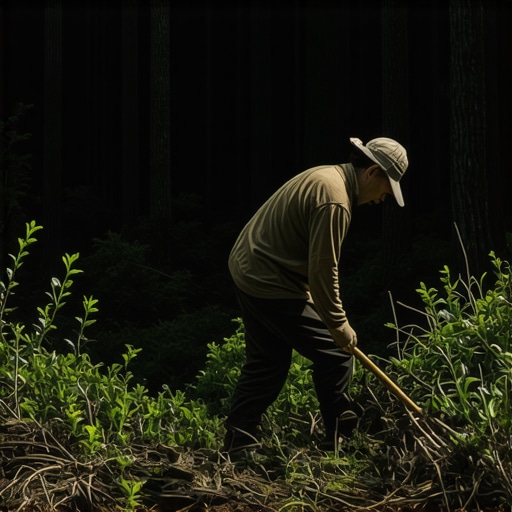
The Strategic Approach to Heavy Brush Remediation
To clear deep brush without a tractor, you must utilize high-torque walk-behind brush cutters, professional-grade clearing saws with carbide-tipped blades, and manual grubbing tools like the Pulaski or mattock. This process requires a systematic top-down reduction strategy combined with targeted systemic herbicide application to neutralize aggressive root systems effectively.
I always drill into my new crew members: if you don’t fix the soil grading first, every plant you put in the ground is just expensive compost. I remember a job in late July where a client wanted a full sod install over a field of invasive multiflora rose and buckthorn. The previous guy just mowed it down and threw dirt over the top. Six months later, the woody stems were punching through the high-end turf like rebar. We had to rip the whole thing out. It was a $12,000 mistake because they ignored the biological reality of the root crown. In the landscaping world, shortcuts are just high-interest loans you have to pay back later with sweat and extra capital.
“A clearing project that ignores the biological resilience of the root system is simply a pruning job with a delayed deadline. Success requires total removal of the vascular cambium in woody species.” – Agronomy Site Prep Manual
How Do I Clear Overgrown Brush Manually?
Manual brush clearing involves using specialized hand tools such as machetes, brush axes, and root shovels to physically extract vegetation. This method is labor-intensive but necessary for precision work near existing landscape features where heavy equipment would cause excessive soil compaction and damage to shallow root zones.
When you are attacking a thicket of saplings and brambles, you start with the canopy. Use a 52cc two-stroke brush cutter equipped with a tri-blade. You aren’t just swinging it like a scythe; you are making controlled horizontal passes to reduce the biomass into manageable segments. For stems thicker than two inches, you switch to a chainsaw or a dedicated clearing saw. The physics of the cut matter. A bypass lopper is fine for a rose bush, but for deep brush, you need the mechanical advantage of a 30-inch handle to generate enough PSI at the blade to slice through dense hardwoods without crushing the fibers. [IMAGE_PLACEHOLDER] Once the top growth is clear, you face the real enemy: the root flare. Using a mattock, you must excavate the soil around the base to expose the primary taproot. Cutting the root four to six inches below the grade is the only way to prevent immediate suckering.
The Chemical Warfare: Herbicide Selection and Application
Targeted chemical application involves using systemic herbicides like Triclopyr or Glyphosate applied directly to freshly cut stumps to kill the root system. This prevents the plant from utilizing stored carbohydrates in the root zone to push new growth, which is common in invasive woody species.
| Method | Target Vegetation | Effectiveness | Labor Intensity |
|---|---|---|---|
| Brush Mower | Tall grass and soft stalks | High (Surface only) | Low |
| Grubbing | Woody shrubs and saplings | Very High (Root removal) | Very High |
| Stump Treat | Invasive trees and vines | High (Systemic kill) | Medium |
| Chemical Spray | Broadleaf weeds and grasses | Variable | Low |
Don’t just spray everything with a backpack sprayer. That is amateur hour. You want to use a technique called cut-stump treatment. Within five minutes of cutting a woody stem, paint a 25 percent concentration of Triclopyr ester directly onto the outer ring of the stump. This is the cambium layer. This is where the plant’s vascular system lives. If you wait longer than ten minutes, the plant will seal the wound with sap and resin, blocking the herbicide’s path to the roots. It is a biological race against time. If you lose, the roots stay alive and you will be back in the same spot next season.
“Effective brush management requires understanding the regenerative capacity of the species; specifically, the transition from dormant buds to active growth post-mechanical stress.” – Penn State Agricultural Extension
What Equipment Do I Need for Heavy Brush Removal?
The essential equipment list for heavy brush removal includes a high-torque walk-behind brush mower, a chainsaw with a 16-inch bar, a mattock, and PPE. Quality gear ensures that the operator can maintain high PSI impact on woody materials without equipment failure or physical exhaustion from excessive vibration.
- Gas-powered brush cutter with a 3-tooth metal blade.
- Heavy-duty loppers with a ratcheting mechanism.
- Stump grinder for larger diameter remains.
- Steel-toed boots, chainsaw chaps, and mesh face shields.
- Soil rake and grading rake for post-clearing remediation.
Reclaiming the Soil: Grading and Site Prep
After clearing the brush, the site must be graded to ensure proper drainage and prevent water from pooling near new installations or structures. Proper grading involves stripping the top layer of organic debris and leveling the subsoil to a two percent slope away from the primary structure to manage hydrostatic pressure.
Once the brush is gone, you are left with disturbed soil. It is usually acidic and depleted. This is where the yard cleanup transitions into landscaping. You need to test the pH. If you are planning a sod install, your soil needs to be between 6.0 and 7.0 for optimal nutrient uptake. Most cleared areas are compacted from years of neglected growth. You have to break that hardpan. Use a power rake or a heavy-duty tiller to reach a depth of six inches. If you don’t aerate and fix the grade now, your new irrigation system will just create mud pits. We calculate the drainage based on the local rainfall intensity. If the site is at the bottom of a slope, a simple grade won’t cut it. You might need a French drain using 4-inch perforated pipe and 1-inch clean stone to move that volume of water. Don’t skip the geotextile fabric. If you do, the silt will clog the stone in two years and the system will fail. It is that simple. Hard work without engineering is just wasted calories.
How much does it cost to clear brush manually?
Manual brush clearing costs typically range from $50 to $150 per hour depending on the density of the vegetation and the topography of the land. Factors such as the presence of invasive species requiring chemical treatment and the proximity to disposal sites will also impact the total project estimate.