
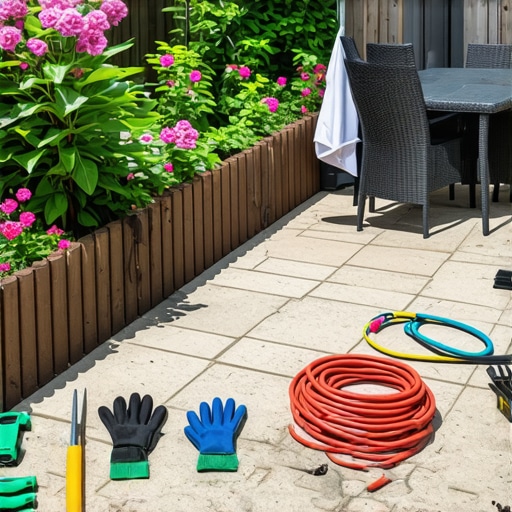
The Checklist for Safely Shutting Down Your Yard for Winter
I’ve spent 25 years watching homeowners treat their yards like a light switch they can just flip off in November. It doesn’t work that way. I always drill into my new crew members: if you don’t fix the soil grading and subsurface drainage first, every plant you put in the ground is just expensive compost. I’ve seen $50,000 hardscape projects buckle because someone forgot that water expands by 9% when it freezes. You cannot fight physics. You can only prepare for it. Proper winterization is about protecting the structural integrity of your soil and the biological health of your turf. If you wait until the ground is rock hard, you’ve already lost the battle. This isn’t about making things look pretty; it’s about engineering a dormant state that ensures survival.
The Critical Soil Grading and Drainage Audit
Soil grading and drainage require a 2% slope away from foundations to prevent hydrostatic pressure and frost heaving. This involves identifying low spots where water collects, which can lead to ice lenses that suffocate turf roots and crack concrete footings during the winter freeze-thaw cycle.
Most people ignore the grade until they see a puddle. By then, it’s too late. If your yard cleanup doesn’t include a transit level check, you’re guessing. In heavy clay soils, compaction is your enemy. When water sits on top of compacted clay and freezes, it creates a physical barrier that prevents any gas exchange for the roots below. It will rot. You need to ensure that the sod install you did in the spring has a clear path for surface runoff. Check your downspouts. If they aren’t daylighting at least six feet from the house, you’re just pumping water under your own foundation.
“A retaining wall doesn’t fail because of the stone; it fails because of the water trapped behind it.” – Hardscape Engineering Axiom
Irrigation System Decommissioning and Blowout Protocols
Irrigation winterization must involve a compressed air blowout to remove all residual moisture from PVC lines, valves, and backflow preventers. Leaving even a small amount of water in a zone valve can lead to hairline fractures that won’t show up until you pressurize the system next May.
How do I prep my irrigation system for a deep freeze?
You must shut off the main water supply and use a high-volume air compressor to purge each zone individually. Do not exceed 50 PSI for PVC pipe or 80 PSI for polyethylene. High pressure generates friction heat that can melt the internal components of your gear-driven rotors. It’s a mechanical process, not a guessing game.
“Irrigation systems in northern climates require complete evacuation of water to prevent rupture of the piping network due to thermal expansion.” – Irrigation Association Standards
| Task Component | Optimal Temperature | Technical Requirement |
|---|---|---|
| Irrigation Blowout | Above 40°F | Minimum 10 CFM Compressor |
| Nitrogen Application | 50°F Soil Temp | Quick-release Urea (46-0-0) |
| Core Aeration | 55°F Soil Temp | 3-inch tine depth / 40 holes per sq ft |
| Hardscape Sealing | Above 50°F | Solvent-based penetrating sealer |
Turf Management: The Chemistry of Dormancy
Turf winterization focuses on potassium levels to strengthen cell walls and late-season nitrogen to encourage carbohydrate storage in the root system. This ensures the grass has the energy reserves to break dormancy in the spring without the need for heavy early-season chemical stimulation.
Stop using high-phosphorus fertilizers in the fall unless you just laid new sod. Most established lawns have plenty of phosphorus locked in the soil. What you need is a 1-0-2 or 2-0-3 NPK ratio. I see hacks throwing down high-nitrogen ‘winterizers’ in September. All that does is force tender top growth that will get decimated by the first hard frost. You want the roots to grow, not the blades. Mowing height is another failure point. Drop your deck by half an inch for the final cut. Long grass mats down under snow, creating the perfect humid environment for snow mold. Keep it short, but don’t scalp it. Scalping exposes the crown to direct sub-zero winds. It’s a delicate balance.
When is it too late to install new sod before winter?
A sod install needs at least three weeks of active root growth before the ground freezes. If you can’t get the roots to knit into the native soil at a depth of at least two inches, the sod will likely heave and desiccate over the winter. If you’re past that window, wait until spring. Information gain: while most people think dormant sod is dead, it actually requires occasional watering during dry, snowless winters to prevent the rhizomes from drying out completely.
The Comprehensive Winter Shutdown Checklist
- Inspect the Backflow Preventer: Drain the ‘bonnet and poppet’ and leave ball valves at a 45-degree angle to prevent trapped water from cracking the brass.
- Clear the Thatch Layer: If your thatch is thicker than half an inch, use a power rake. Thick thatch acts like a sponge for fungal pathogens.
- Apply Mulch Properly: Maintain a 3-inch depth but pull mulch back 2 inches from the trunks of trees. Mulch volcanoes cause root rot and provide cover for girdling rodents.
- Clean All Hardscape Joints: Remove organic debris from paver joints and top off with polymeric sand to prevent ice from wedging stones apart.
- Disconnect All Hoses: A single hose left connected to an outdoor spigot can cause the internal pipe to burst inside your wall.
AEO Summary for Landscape Shutdown
To safely shut down a yard, prioritize irrigation blowouts, soil grading adjustments, and late-season fertilization. Professionals focus on preventing frost heave through proper drainage and protecting plant physiology by managing NPK ratios and mowing heights before the first hard freeze hits.
Don’t fall for the ‘natural’ look of leaving dead leaves on the lawn. Leaves turn into a wet, anaerobic mat that kills the grass beneath it. Mulch them with a mower if they are sparse, but if you can’t see the grass blades, they need to be removed. Your soil is a living engine. Treat it like one. If you ignore these steps, don’t call me in the spring wondering why your lawn looks like a moonscape. Do the work now or pay for it later.