
The Forensic Autopsy of a Choked Garden Bed
You see a blanket of green, but I see a slow-motion strangulation. When I walk onto a landscaping site where English Ivy or Oriental Bittersweet has taken over, the first thing I do is look at the host plants. They are usually starved of light and weighted down by hundreds of pounds of unwanted biomass. The soil underneath is often compacted and devoid of the microbiological diversity required for healthy plant growth. This is not just a standard yard cleanup; it is a surgical extraction. Invasive vines are opportunistic scavengers. They do not just grow; they colonize. They use adventitious roots to glue themselves to bark and siding, and their subterranean rhizomes can travel 10 to 15 feet before popping up a new head. If you just pull them, you are essentially just pruning them. You have to kill the brain of the plant. It will rot if you leave the roots alive. Don’t skip this.
The Professional 5-Step Extraction Protocol
To clear invasive vines from flower beds quickly, use the cut-stump method combined with a concentrated systemic herbicide like triclopyr applied directly to the vascular cambium. This delivers the chemical to the rhizomes or taproot system for a complete kill while preventing damage to non-target perennials during your yard cleanup. I always drill into my new crew members: if you don’t fix the soil grading first, every plant you put in the ground is just expensive compost. The same logic applies to invasive vines. If you don’t understand the root architecture and how photosynthates move through the plant, you are wasting the client’s money. You have to be more stubborn than the weed. You have to understand the auxin-based growth regulators within the plant tissue to actually stop the cycle. Don’t be a hack. Do it right the first time.
“English Ivy (Hedera helix) can damage masonry and overwhelm native canopy; control requires persistent systemic application to the vascular tissue.” – Penn State Extension
How do I kill vines without killing my flowers?
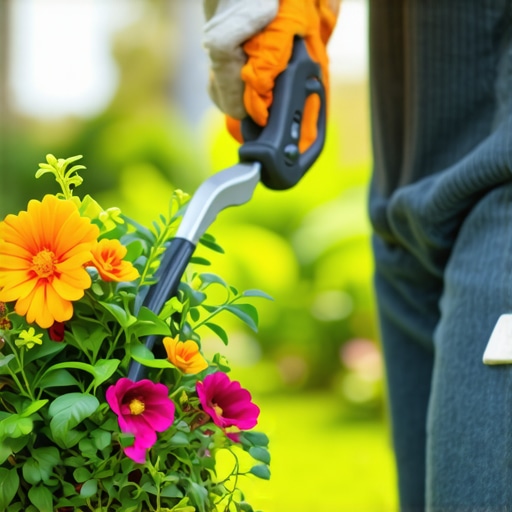
The secret is the cut-and-paint technique. Instead of spraying, which leads to chemical drift and the death of your prized hydrangeas, you cut the vine at the base and paint a 20% concentration of glyphosate or triclopyr directly onto the fresh cut. This keeps the herbicide contained within the target plant’s circulatory system.
How deep do invasive vine roots go?
Depending on the species, like Wisteria or Trumpet Vine, roots can penetrate 3 to 10 feet into the soil. Surface pulling only triggers dormant buds on the root system to sprout, often leading to three new stems for every one you pulled. You must use systemic chemicals to reach those depths.
The Chemical Arsenal: Triclopyr vs. Glyphosate
Selecting the right chemical depends on the lignification of the vine and the surrounding soil chemistry. Triclopyr is a selective herbicide that targets broadleaf plants and woody brush without harming many grasses, making it ideal if your sod install is nearby. Glyphosate is non-selective, meaning it kills everything it touches. For landscaping professionals, the choice is usually dictated by the CEC (Cation Exchange Capacity) of the soil and the moisture levels near the root zone. High-clay soils will bind these chemicals differently than sandy loams. We measure our applications in milliliters per square inch of cambium surface. This is precision engineering, not a garden party.
| Vine Species | Root System | Chemical Preference | Difficulty Level |
|---|---|---|---|
| English Ivy | Adventitious/Fibrous | Triclopyr (Ester) | Moderate |
| Oriental Bittersweet | Aggressive Rhizomes | Triclopyr (Amine) | High |
| Kudzu | Deep Taproots | Glyphosate (High Conc.) | Extreme |
| Wintercreeper | Surface Runners | Triclopyr | Moderate |
The Restoration Phase: Soil and Irrigation
Once the vines are neutralized, the yard cleanup moves into soil rehabilitation. Vines often deplete the soil of nitrogen and leave it heavily compacted. We use core aeration to a depth of 3 to 4 inches to alleviate this compaction before adding any new landscaping features. If the area is slated for a sod install, we test the pH levels. Most turfgrasses thrive at a pH of 6.5, while many invasive-ridden areas have drifted toward acidity due to leaf litter decomposition. We also inspect the irrigation system. Vines often wrap around underground lines, and as they grow, they can crush PVC pipes or clog drip emitters with root intrusion. We pressure test the lines to 50 PSI to ensure no leaks were caused by the infestation.
“Proper soil grading and drainage prevent the stagnant moisture levels that many invasive species, such as Bittersweet, exploit for rapid early-season growth.” – Hardscape Engineering Axiom
- Wear PPE: Heavy-duty nitrile gloves and eye protection are mandatory.
- Fresh Cuts: Apply herbicide within 5 minutes of cutting; the plant seals the wound quickly.
- Mark Your Work: Use a marker dye in your herbicide so you know which stems are treated.
- Mulch Depth: Apply 3 inches of double-ground hardwood mulch to suppress new seed germination.
- 811: If you are digging out larger root balls, call 811 to mark utility lines first.
Maintenance and Long-Term Control
A professional landscaping job is never done after the first pass. You must monitor the area for the seed bank. Many invasive vines have seeds that can remain viable in the soil for 5 to 7 years. During our monthly yard cleanup visits, we look for the first sign of a cotyledon and hit it with a pre-emergent. If you are planning a sod install, make sure the irrigation is dialed in to provide deep, infrequent watering. This forces your new grass roots to grow deep, out-competing any surviving vine fragments for nutrients. Don’t let the ground stay saturated. Excessive water is an invitation for fungus and re-infestation. Keep your blades sharp and your soil balanced. That is how you keep a bed clean. [{“@context”: “https://schema.org”, “@type”: “HowTo”, “name”: “How to Clear Invasive Vines Permanently”, “step”: [{“@type”: “HowToStep”, “text”: “Cut the vine near the ground using sharp bypass pruners.” }, {“@type”: “HowToStep”, “text”: “Apply a concentrated systemic herbicide to the fresh cut surface immediately.” }, {“@type”: “HowToStep”, “text”: “Monitor for new sprouts from the seed bank for the next 12 months.” }]}, {“@context”: “https://schema.org”, “@type”: “FAQPage”, “mainEntity”: [{“@type”: “Question”, “name”: “How do I kill vines without killing my flowers?”, “acceptedAnswer”: {“@type”: “Answer”, “text”: “Use the cut-and-paint method with systemic herbicide applied directly to the vine stump to avoid chemical drift.” }}, {“@type”: “Question”, “name”: “What is the best herbicide for woody vines?”, “acceptedAnswer”: {“@type”: “Answer”, “text”: “Triclopyr is generally the most effective chemical for woody invasive vines as it targets broadleaf species and woody tissue.” }}]}]