
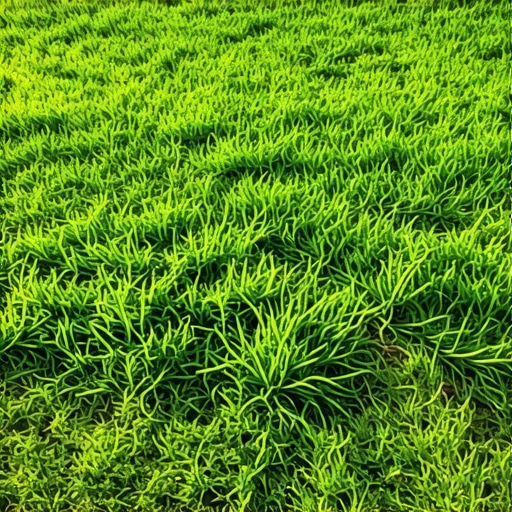
Why Your New Sod Turned Yellow After the First Week: A Forensic Diagnostic
I always drill into my new crew members: if you don’t fix the soil grading first, every plant you put in the ground is just expensive compost. I’ve seen guys lay thousands of square feet of premium Kentucky Bluegrass on top of compacted red clay that had the permeability of a sidewalk. Within six days, the homeowner is calling because their $10,000 investment looks like a bale of straw. It isn’t bad luck. It is a failure of civil engineering and biological common sense. Sod is a living, breathing system of rhizomes and stolons that has just undergone a major surgical procedure—being sliced off its home field. If you don’t manage the transition, it dies. Period.
The Critical Failure of Root-to-Soil Contact
Yellowing sod in the first seven days is primarily caused by localized desiccation due to air pockets trapped between the sod layer and the subgrade. When the roots cannot physically touch the moisture-wicking soil beneath them, they enter a state of permanent wilting point, leading to rapid chlorophyll degradation. It will rot if left unaddressed.
How do I fix air pockets under new sod?
You cannot simply spray more water on top. You need to use a water-filled lawn roller (approximately 200-300 lbs) to press the sod into the grade. This eliminates the microscopic gaps that allow air to circulate and dry out the roots. If the ground wasn’t leveled with a landscape rake to a 1/4-inch tolerance before install, your sod is hovering over tiny canyons. Use a probe to check. If the sod feels ‘squishy’ but the grass is yellow, you have an air gap or a drainage stall.
“Successful turfgrass establishment depends on the intimate contact between the sod and the soil surface. Any gap, no matter how small, creates a physical barrier to water movement and root penetration.” – Penn State Center for Turfgrass Science
The Irrigation Paradox: Drowning vs. Dehydration
Irrigation failure on new sod manifests as yellowing when the evapotranspiration rate exceeds the water intake capacity of the severed root system. Conversely, anaerobic soil conditions caused by over-saturation can drown the roots, leading to Pythium blight or root rot, which also presents as a sickly yellow or greasy brown hue. Balance is non-negotiable.
Most people water for 10 minutes every day and think they are doing a favor. Wrong. New sod needs ‘head-to-head’ coverage where every sprinkler spray overlaps the next. You aren’t just watering the grass; you are hydrating the 2-inch soil profile beneath it. If you don’t see 1 inch of water in a tuna can placed on the lawn, you haven’t watered enough. However, if the soil is a muddy slurry four hours after watering, you are inviting fungal pathogens to feast on the weakened crown.
| Sod Type | Initial Water Frequency | Soil Depth Moisture Target | Dormancy Trigger |
|---|---|---|---|
| Kentucky Bluegrass | 3x Daily (15 mins) | 4-6 Inches | Low Turgor Pressure |
| Tall Fescue | 2x Daily (20 mins) | 6 Inches | Heat Stress/Desiccation |
| Bermuda/Zoysia | 2x Daily (15 mins) | 3-4 Inches | Night Temp Drops |
Nitrogen Burn and the Chemical Mistake
Yellowing turf can often be traced back to osmotic stress caused by the premature application of high-nitrogen fertilizers. When a homeowner or a ‘mow-and-blow’ contractor throws down a heavy 20-0-10 fertilizer on new sod, the salts in the fertilizer draw moisture out of the roots, effectively cauterizing the plant from the bottom up.
I’ve seen $30,000 patios ruined by bad drainage, but I’ve seen more lawns killed by a $40 bag of cheap weed-and-feed. You should never apply herbicides or high-nitrogen synthetic fertilizers to new sod for at least 30 to 60 days. The sod was likely heavily fertilized at the farm before it was cut. Adding more just increases the salinity of the soil solution beyond what the stressed roots can handle. Don’t skip the soil test next time.
How much water does new sod need per day?
In the first week, you need to maintain a soil moisture content of roughly 80% field capacity. This usually requires watering for 15-20 minutes, three times a day (6 AM, 11 AM, and 3 PM). Avoid watering after 5 PM. Nighttime moisture sits on the leaf blade, inviting Rhizoctonia solani (Brown Patch), which will turn your new lawn yellow and then dead-brown in 48 hours.
Soil pH and the Subsurface Environment
Landscaping success is 90% chemistry. If your soil pH is below 5.5 (acidic) or above 7.5 (alkaline), the nutrient bioavailability is locked out. Your sod can be sitting in a bed of fertilizer, but if the pH is off, the roots literally cannot ‘eat.’ This leads to chlorosis—the yellowing of the leaf tissue while the veins stay green.
During a yard cleanup or site prep, you must incorporate pelletized lime or sulfur based on a professional soil test. If you laid sod over an old pine needle bed or a spot where a massive oak was removed, the soil is likely too acidic. The yellowing you see is the plant starving to death in a room full of food it can’t swallow.
“The physical properties of the soil—specifically bulk density and pore space—determine the gas exchange rate necessary for respiration in the root zone.” – Texas A&M Agronomy Manual
The Recovery Checklist: Saving the Lawn
If your sod is currently turning yellow, you have a 48-hour window to reverse the trend before the crown dies. Once the crown dies, the plant is gone. Follow this technical protocol immediately:
- The Tug Test: Gently pull the sod. If it lifts easily with no white root hairs visible, you have a soil contact failure. Roll it immediately.
- The Soil Probe: Stick a screwdriver 6 inches into the ground. If it doesn’t slide in like butter, the subgrade is compacted. You may need to liquid aerate.
- The Perimeter Check: Yellowing at the seams? This is edge desiccation. The edges dry out faster than the middle. Hand-water the ‘zipper’ lines.
- Fungal Audit: Look for a white, cobweb-like substance (mycelium). If found, stop watering at night and apply a curative fungicide.
New sod isn’t a finished product; it’s a transplant in intensive care. Treat it like one. If you treat it like a plastic rug, it will reward you by becoming a very expensive brown carpet. Watch the moisture. Check the soil. Get the air out. It’s not magic; it’s biology.