
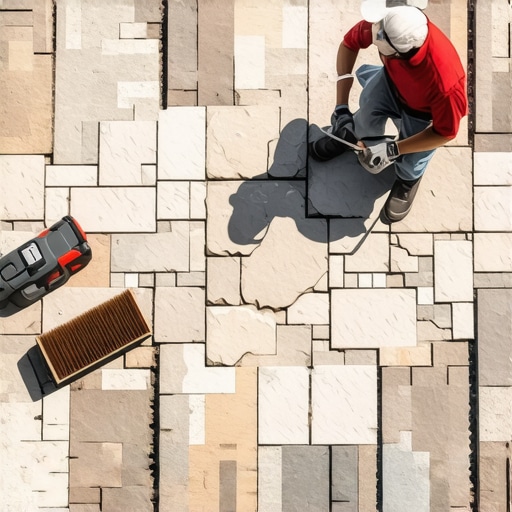
The Anatomy of a Hardscape Failure: Why Patios Sink
A sinking paver patio is usually the result of subgrade soil settlement, insufficient base thickness, or poor drainage infrastructure. When water saturates the soil beneath your pavers without a proper permeable base, it liquefies the bedding layer, causing individual stones to shift, tilt, and eventually sink under load. It is a structural failure, not a cosmetic one.
I recently got called out to tear up a $30,000 patio that was sinking because the previous contractor thought two inches of stone dust over uncompacted clay was a ‘solid base.’ It wasn’t. Within three seasons, the freeze-thaw cycles turned those expensive pavers into a jagged roller coaster. The homeowner was furious, and rightly so. They paid for a finished product but received a liability. When we excavated, the ‘base’ was essentially a bowl of grey mud. There was no geotextile fabric to separate the stone from the native soil, and the hydrostatic pressure had nowhere to go. This is the reality of ‘mow-and-blow’ hacks trying to do masonry work. They don’t understand the engineering required to fight gravity and water.
The Science of Soil Compaction and Subgrade Stability
The success of any hardscape project is determined by the 12 inches of material you never see. Most residential soil is ‘disturbed’ soil, meaning it has been moved during house construction and contains air pockets. If you don’t use a vibratory plate compactor with at least 4,000 lbs of centrifugal force to reach 95% Standard Proctor Density, that soil will settle on its own timeline. You cannot skip this. Don’t even try. We calculate the load-bearing capacity based on the soil type—heavy red clay behaves differently than sandy loam. Clay retains water, expanding and contracting with seasonal changes, which exerts immense pressure on the pavers above.
“A retaining wall doesn’t fail because of the stone; it fails because of the water trapped behind it.” – Hardscape Engineering Axiom
When we talk about yard cleanup and preparation, we aren’t just talking about raking leaves. We are talking about grading. Your patio must have a minimum slope of 1 inch for every 8 feet (approximately 2%) to ensure water moves away from the foundation and the patio itself. If water sits on the surface, it finds its way into the joints, washes out the polymeric sand, and begins the erosion process of the bedding layer. It is a slow death for your investment.
How much modified gravel do I need for a patio base?
For a standard pedestrian paver patio, you need a minimum of 6 inches of compacted 21A or 3/4-inch crushed stone. This must be calculated by multiplying the square footage by the depth (in feet) and dividing by 27 to find the cubic yardage required. For driveways or heavy-load areas, that base depth must increase to 10-12 inches. Never use ‘clean’ stone that lacks fines for a standard base; you need the varying particle sizes to lock together under compaction. Without the fines, the base will never achieve the necessary CBR (California Bearing Ratio) to support the weight of the pavers and furniture.
| Material Type | Drainage Rating | Compaction Strength | Best Use Case |
|---|---|---|---|
| 3/4″ Crushed Stone (Modified) | Moderate | Very High | Standard Patio/Driveway Base |
| ASTM No. 57 Stone | High | High | Permeable Paver Systems |
| Stone Dust / Screenings | Very Poor | Low | Avoid for structural base |
| Concrete Sand | High | N/A | 1-inch Bedding Layer Only |
Why Water is Your Patio’s Greatest Enemy
Water causes sinking through hydrostatic pressure and frost heave. Without a French drain or proper grading, water remains trapped in the base materials. In colder climates, this water expands as it freezes, physically lifting the pavers and destroying the structural integrity of the installation. We often see patios failing because of a nearby irrigation zone. If your sprinklers are hitting the edge of the patio or a sod install was done with the soil level higher than the patio edge, water will back up and saturate the base. This is why we integrate drainage solutions into every hardscape design. It isn’t an add-on; it is a requirement.
Can I just add more sand to level a sinking patio?
No, you cannot simply add sand to a sinking patio because sand is a bedding medium, not a structural base. Adding more sand creates a ‘soft spot’ that will shift even faster than the original failure. To fix it permanently, you must remove the pavers, excavate the failed material, and install a proper compacted aggregate base. Sand should never exceed a 1-inch depth. Any more than that, and it will ‘pump’ or move laterally under foot traffic, leading to uneven pavers and tripping hazards.
“The longevity of a segmental pavement system is directly proportional to the quality of the sub-base compaction and the management of subsurface water.” – ICPI Tech Spec No. 2
The Permanent Fix: A Professional Installation Checklist
To ensure your patio lasts 30 years instead of three, you must follow an engineered process. This isn’t a weekend DIY project if you want it done right. It requires heavy machinery and a deep understanding of soil mechanics. Here is the professional standard for a permanent fix:
- Utility Marking: Always call 811 before excavation to locate gas, water, and electric lines.
- Subgrade Excavation: Remove all organic matter and topsoil until you reach firm subsoil.
- Geotextile Fabric: Lay down a non-woven geotextile (at least 4oz weight) to prevent soil migration.
- Base Layering: Add 3/4-inch modified stone in 2-inch ‘lifts,’ compacting each lift thoroughly.
- Edge Restraints: Install professional-grade PVC or aluminum edging pinned with 10-inch spikes every 12 inches.
- Bedding Layer: Use 1 inch of washed concrete sand (ASTM C33) screeded perfectly level.
- Jointing: Sweep in high-quality polymeric sand and vibrate the pavers to lock the sand into the full depth of the joint.
If you skip the geotextile fabric, the native soil will eventually mix with your gravel base. This is called ‘intermixing,’ and it effectively destroys the load-bearing capacity of your stone. Over time, the stone sinks into the mud, and your pavers follow. Don’t skip the fabric. It is the cheapest insurance policy you can buy for a hardscape project. Also, ensure your irrigation heads are adjusted so they don’t spray directly into the paver joints, which can prematurely erode the jointing sand.
Year-One Maintenance and Beyond
Your patio will go through a ‘settling in’ period. This doesn’t mean it should sink; it means the polymeric sand will fully cure and the pavers will lock into the bedding sand. During the first year, monitor the joints. If you see gaps forming, add more polymeric sand immediately. This prevents water from entering the base. Avoid using rock salt or harsh chemicals for de-icing, as these can cause efflorescence or surface spalling on lower-quality concrete pavers. A properly built patio is a feat of engineering. Treat it like one. If you see a low spot forming, it means the base has failed. It will not fix itself. You must address the drainage or compaction issue at the root before the entire surface is compromised.