
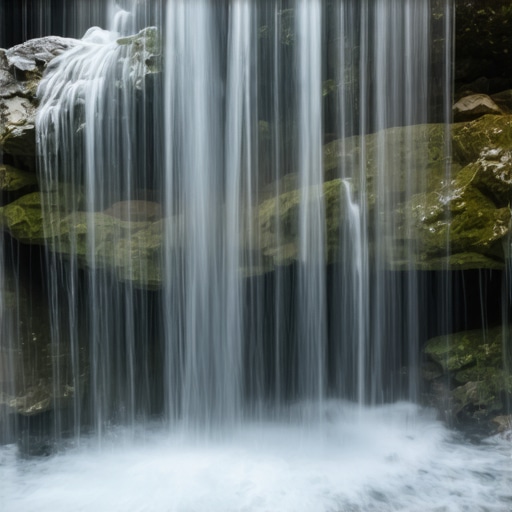
Diagnosing Waterfall Leaks and Structural Failures
Finding a waterfall leak requires a systematic isolation of the pump, the plumbing, and the liner containment system to identify where the water cycle is being interrupted. Most leaks occur due to settling edges, capillary wicking from overgrown vegetation, or structural punctures in the EPDM membrane caused by improper stone placement or hydrostatic pressure.
I recently got called out to tear up a $30,000 patio and water feature that was sinking because the previous contractor failed to account for soil compaction. The waterfall was losing four inches of water every twelve hours. The owner thought it was evaporation. It was not. The contractor had used a cheap 20 mil PVC liner instead of a 45 mil EPDM and hadn’t used a single square inch of geotextile underlayment. The sharp gravel underneath eventually punctured the liner under the weight of the granite boulders. This is why I drill it into my crew: if you do not engineer for the weight and the water pressure, you are just building an expensive mud hole. Landscaping is physics, not just aesthetics. When we talk about irrigation and yard cleanup in this context, we are talking about managing the movement of every drop of water on the property. A leak is not just a water bill issue. It is a foundation risk.
“A retaining wall doesn’t fail because of the stone; it fails because of the water trapped behind it.” – Hardscape Engineering Axiom
How do I find a leak in my backyard waterfall?
To find a leak in a backyard waterfall, you must perform a ‘Static Level Test’ by turning off the pump for 24 hours. If the water level in the basin stays the same while the pump is off, the leak is located in the plumbing or the waterfall spillway itself. If the level in the basin drops while the pump is off, the leak is in the lower reservoir or the liner surrounding the pump vault.
You have to look at the physics of the spillway. Often, a leak is simply a ‘settled edge.’ This happens when the soil beneath the liner at the side of the waterfall compresses over time. The water then flows over the liner instead of staying inside it. You can usually find these spots by looking for damp soil or particularly green patches of grass right next to the rocks. This is why sod install around a water feature requires a slightly elevated berm to prevent runoff from entering and to keep the liner edges high. If the edge is even a quarter-inch too low, gravity wins every time.
| Feature Component | Failure Symptom | Primary Cause | Repair Complexity |
|---|---|---|---|
| EPDM Liner | Steady water loss (Pump Off) | Puncture or Root Intrusion | High |
| Spillway Weir | Leak only when running | Settled Soil/Low Edge | Medium |
| PVC Plumbing | Rapid water loss (Pump On) | Fitting Crack/Freeze Damage | High |
| Bio-Falls Tank | Wet soil behind tank | Bulkhead Seal Failure | Medium |
The Capillary Wicking Effect
Sometimes your waterfall is not leaking; it is being siphoned. This is a common issue I see during a yard cleanup. Moss, roots, and even the fabric of a liner underlayment can act like a straw. If a piece of filter fabric or a thick patch of moss is draped over the edge of the liner and into the water, it will pull water out of the stream and into the surrounding soil through capillary action. It can move gallons of water a day. I have seen homeowners spend thousands on new pumps when all they needed to do was trim some moss. It is about the tension of the water molecules. You must maintain a clean ‘drip edge’ where water has no choice but to fall back into the basin.
“Water features must be engineered to handle the hydrostatic pressure of the surrounding soil, especially in heavy clay environments where drainage is minimal.” – Penn State Agricultural Extension
Can a waterfall leak cause soil erosion?
A waterfall leak causes significant soil erosion by saturating the sub-base, which leads to soil liquefaction and the eventual collapse of nearby hardscapes. When water escapes the liner, it follows the path of least resistance, often tunneling under patios or walkways, creating subterranean voids that result in cracked pavers or sinking sod.
- Check the pump vault for cracks in the plastic housing.
- Inspect every plumbing union and check valve for salt or mineral deposits.
- Look for ‘mulch volcanoes’ or soil built up over the liner edge.
- Monitor the water level for 24 hours with the pump off.
- Examine the transition point where the pipe enters the spillway tank.
If you are dealing with a heavy clay soil, like we often find in regional landscaping projects, the water won’t just disappear. It will sit there and rot the roots of your plants. If you just did a fresh sod install and your waterfall is leaking, you will notice the grass near the leak getting spongy and yellowing due to anaerobic soil conditions. The roots are literally drowning because the water has pushed out all the oxygen. You have to fix the leak before you worry about the grass. Digging a French drain or improving the irrigation layout won’t fix a punctured liner. You have to go to the source. Get the rocks out, clean the liner, and find the hole. It is tedious. It is dirty. But it is the only way to do it right. Don’t trust a ‘leak-fix’ spray from a big-box store. Those are for birdbaths, not 5,000-gallon systems with 600 pounds of stone sitting on them.