
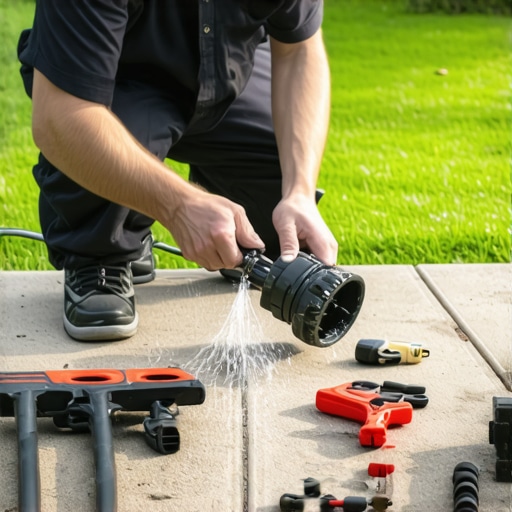
Understanding the 2026 Solenoid Mechanism
To replace a 2026 sprinkler solenoid, you must first shut off the main water supply, disconnect the 24VAC wiring, and unscrew the faulty unit counter-clockwise. Replacing the solenoid restores the electromagnetic circuit necessary to lift the internal plunger and activate your irrigation system zones accurately.
I always drill into my new crew members: if you don’t fix the soil grading and the irrigation timing first, every plant you put in the ground is just expensive compost. Most rookie contractors think a dead zone means a broken pipe. They waste hours digging up a perfectly good sod install when the culprit is a $20 plastic coil. I’ve seen homeowners spend thousands on landscaping only to watch it wither because they didn’t know how to test a solenoid with a multimeter. Irrigation is the circulatory system of the property. If the heart stops, the limbs die. It is that simple. Don’t be the person who buys high-end nursery stock and kills it with a faulty 24-volt circuit.
“A successful irrigation system is not measured by the water it delivers, but by the precision of its timing and the integrity of its hydraulic seals.” – Principles of Irrigation, 3rd Edition
The Engineering Behind the 2026 Solenoid
The solenoid is an electromechanical transducer. When the controller sends 24 volts of alternating current down the line, it creates a magnetic field. This field pulls a stainless steel plunger up, away from the pilot port. This drops the pressure on top of the diaphragm, allowing the high-pressure water from the mainline to push the diaphragm up and flow into the lateral lines. If the coil is burnt or the plunger is pitted, the valve stays shut. You can have the best yard cleanup in the neighborhood, but if your solenoids are shot, your lawn will look like a desert in three days. We are talking about 150 PSI of hydrostatic pressure held back by a tiny rubber seat. The tolerances are microscopic.
| Symptom | Probable Cause | Technical Fix |
|---|---|---|
| Zone Won’t Turn On | Burnt Coil / Open Circuit | Replace Solenoid |
| Zone Won’t Turn Off | Debris in Pilot Port | Flush Valve Body |
| Weak Water Flow | Partial Plunger Lift | Check Voltage / Ohms |
| Humming Sound | Chattering Plunger | Clean Plunger Seat |
How do I know if my sprinkler solenoid is bad?
You test the electrical resistance using a multimeter set to Ohms. A healthy 2026 solenoid should read between 20 and 60 ohms. If the reading is zero, the circuit is shorted. If it is infinite, the coil is broken. This is basic electrical diagnostics that every property owner should know before they start a sod install. Do not guess. If you see melted plastic on the solenoid casing, it’s a dead giveaway of a lightning strike or a massive power surge. Replace it immediately. Cheap solenoids use inferior copper windings that can’t handle the heat of a high-cycle summer.
The 10-Minute Replacement Workflow
- Clear the Valve Box: Perform a mini yard cleanup around the box. Remove dirt and debris so nothing falls into the valve when it’s open.
- Water Shutdown: Turn off the main irrigation shut-off valve. Do not rely on the controller.
- Wire Disconnection: Snip the wires at the old grease caps. Use a wire stripper to expose 1/2 inch of fresh copper.
- The Swap: Unscrew the old solenoid. Check the O-ring. If it’s cracked, the valve will leak. Screw the new solenoid in hand-tight. Do not use a wrench. You will crack the manifold.
- Waterproof Connections: Use silicone-filled wire nuts. Standard electrical tape is a failure waiting to happen in wet soil.
How much modified gravel do I need for a patio base?
While this guide focuses on irrigation, the base layer is critical for any landscaping project. For a standard patio, you need 4 to 6 inches of compacted modified gravel. If your irrigation lines run under this base, they must be sleeved in Schedule 40 PVC to prevent crushing from the weight of the stone and the plate compactor. Never bury a 2026 solenoid directly under a hardscape. Always ensure access through a proper valve box. I have spent days jackhammering through pavers because a hack buried a valve to save five minutes of digging. That is not professional work. It is negligence.
“Hydrostatic pressure is the primary cause of retaining wall and valve box failure; proper drainage and material selection are the only remedies.” – ICPI Hardscape Engineering Standards
When you are finishing a yard cleanup, check your valve boxes for standing water. Standing water in a valve box leads to premature solenoid failure. The constant moisture corrodes the wire leads even through waterproof connectors. If your box is full of mud, dig it out and replace the floor with 2 inches of pea gravel. This allows the valve to breathe and prevents the solenoid from being submerged during heavy rain. In regions with heavy clay, this drainage layer is the difference between a system that lasts 20 years and one that fails in two. Soil pH also plays a role. Highly acidic soils can eat through cheap wire insulation, causing mysterious shorts that are a nightmare to track down. Keep your connections high and dry. Don’t skip the grease caps. Don’t skip the gravel. Do it right the first time or don’t do it at all.
{“@context”:”https://schema.org”,”@type”:”HowTo”,”name”:”Replacing a 2026 Sprinkler Solenoid”,”step”:[{“@type”:”HowToStep”,”text”:”Shut off the main water supply to the irrigation system.”},{“@type”:”HowToStep”,”text”:”Disconnect the electrical wires from the existing solenoid.”},{“@type”:”HowToStep”,”text”:”Unscrew the old solenoid from the valve body counter-clockwise.”},{“@type”:”HowToStep”,”text”:”Install the new solenoid and reconnect the wires using waterproof grease caps.”}],”totalTime”:”PT10M”} {“@context”:”https://schema.org”,”@type”:”FAQPage”,”mainEntity”:[{“@type”:”Question”,”name”:”How do I know if my sprinkler solenoid is bad?”,”acceptedAnswer”:{“@type”:”Answer”,”text”:”Test the solenoid with a multimeter; a reading outside 20-60 ohms indicates a failure.”}},{“@type”:”Question”,”name”:”Can I replace a solenoid without turning off the water?”,”acceptedAnswer”:{“@type”:”Answer”,”text”:”No, the valve is under pressure and removing the solenoid will cause high-pressure water to spray out, potentially damaging the valve.”}}]}