
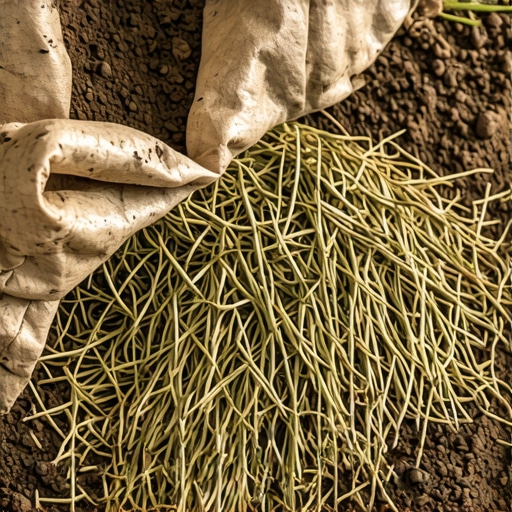
The Autopsy of a Dead Lawn Before It Hits the Soil
You open a bag of high-grade fescue or Kentucky Bluegrass that you have been saving for the 2026 season, and instead of the dry, earthy scent of potential, you are hit with the stench of ammonia and wet basement. This is the visual and sensory reality of seed rot, a biological failure that happens long before the first drop of irrigation touches the ground. If the seed in your hand feels damp, looks dark, or clumps together like wet oatmeal, the embryo is likely dead. It will rot. There is no coming back from fungal colonization within a sealed bag. This failure is a direct result of ignoring the chemical and atmospheric requirements of seed dormancy.
The Chemical Nightmare: A Case Study in Turf Failure
A homeowner called me in a panic after they completely torched their front lawn by applying three times the recommended rate of high-nitrogen starter fertilizer in the middle of a July heatwave. The lawn was a scorched orange wasteland. In a desperate attempt to fix it, they bought thousands of dollars of premium seed for the following season but stored it in a damp corner of their garage next to a leaking water heater. By the time they called me for a professional sod install, that seed had become a $2,000 pile of expensive compost. The moisture had triggered the seed’s respiration cycle, but without soil and light, the metabolic energy was spent on feeding Pythium and Rhizoctonia fungi. They didn’t just lose the grass; they lost the entire investment because they treated a living biological organism like a piece of hardware.
Why Grass Seed Rotting Happens Before You Open the Bag
Seed rot occurs when hydrophilic coatings absorb moisture or respiration cycles are triggered by heat, leading to fungal pathogens that consume the endosperm before germination can occur. Even in a sealed bag, seeds are breathing. They are living embryos in a state of suspended animation. When you increase the temperature or the ambient humidity, you tell that embryo it is time to wake up. If there is no soil to support it, the seed dies and the fungus takes over. Most homeowners do not realize that the fancy coatings on modern seeds are designed to attract water. This is great in the soil but a death sentence in a humid shed.
“The percentage of pure seed in a lot is determined by the weight of the pure seed divided by the total weight of the sample.” – Penn State College of Agricultural Sciences
How long does grass seed stay viable in a sealed bag?
Under ideal conditions, grass seed stays viable for 3 to 5 years, but the germination rate drops by roughly 10 percent every year it sits in the bag. If you are storing seed for the 2026 season, you are already fighting a losing battle against the biological clock. After 24 months, the internal energy stores of the seed (the endosperm) begin to oxidize. If the storage environment hits 70 percent humidity, the seed will fail within months. High-end professional turf managers never buy more than they can put in the ground within 90 days. Professional landscaping requires fresh genetics, not leftovers from the previous decade.
The Physics of Proper Storage and Yard Cleanup
Effective yard cleanup and storage require maintaining a humidity level below 12 percent and temperatures under 60 degrees to prevent metabolic activation of the seed. If you are preparing a site for a new lawn, you must clear every bit of debris, leaf litter, and organic rot from the soil surface. If you throw new seed on top of old, rotting yard waste, the pathogens from the waste will jump straight to your new seed. It is a slaughter. You need mineral soil contact. Anything else is just a waste of money.
| Storage Condition | Expected Germination Rate | Pathogen Risk Level |
|---|---|---|
| Climate Controlled (55F, 10% Humidity) | 90-95% | Negligible |
| Uninsulated Garage (Variable Temp) | 40-60% | High |
| Damp Basement/Shed | 0-15% | Critical |
What does rotten grass seed smell like?
Rotten grass seed smells like ammonia, sulfur, or fermented silage because the proteins within the seed are being broken down by anaerobic bacteria. If you detect any sour or pungent odor when you open the bag, the seed is compromised. Do not put it in your spreader. You will only be spreading fungal spores across your yard, which can infect your existing turf or contaminate the soil for a future sod install. Throw it out. Professional contractors don’t take risks with contaminated material.
Sod Install vs. Seed: The 2026 Reality
Choosing between sod install and seeding depends on the compaction levels of your soil and your immediate need for a root-to-soil interface that manages erosion. If your 2026 seeding plan has already been ruined by poor storage, you need to pivot to sod. Sod provides an instant 100 percent cover, which prevents the weed seed bank in your soil from exploding. When you have bare soil, the sun hits dormant weed seeds, and they win every time. Sod is an engineered product that arrives with a pre-established root system. It is more expensive up front, but it doesn’t rot in a bag in your garage.
“Fungal pathogens such as Pythium and Rhizoctonia thrive in compacted, poorly drained soils where oxygen levels are depleted.” – Texas A&M AgriLife Extension
How much modified gravel do I need for a patio base?
For a standard residential patio, you need a minimum of 4 to 6 inches of compacted modified gravel (2A or 2B) to ensure structural integrity and proper drainage. While this is a hardscape question, it relates to your lawn because the runoff from that gravel base must be directed away from your turf. If your patio drainage dumps onto your lawn, you will create a swamp that rots your grass seed and drowns your sod. Civil engineering and biology go hand in hand.
The Professional Checklist for Seed Viability
- Check the blue tag: Look for the “Date Tested.” If it is more than 12 months old, move on.
- The Squeeze Test: Reach deep into the bag. If the seed feels cool or sticks to your hand, it has absorbed moisture.
- The Smell Test: Any scent of vinegar or ammonia means the endosperm is fermenting.
- The Float Test: Drop a handful of seed in water. Viable seeds often sink or stay firm; hollow, dead husks float instantly and feel papery.
- Check for 811 markings: Before doing any deep yard cleanup or grading, ensure your utility lines are marked.
Irrigation Calibration and Hydrostatic Stress
Over-active irrigation systems create anaerobic conditions in the soil profile, which kills new seed through “damping off” rather than promoting growth. I see it every year. Homeowners think more water equals more grass. Wrong. You need to keep the top 1/2 inch of soil moist, not saturated. If you see puddling, you are drowning the embryo. Once the seed coat cracks, the plant needs oxygen as much as it needs water. If you saturate the soil, you fill the macropores with water, and the plant suffocates. It is a basic gas exchange failure. Keep your cycles short and frequent until germination, then move to deep, infrequent watering to force the roots to chase the moisture down 6 inches into the soil profile.