
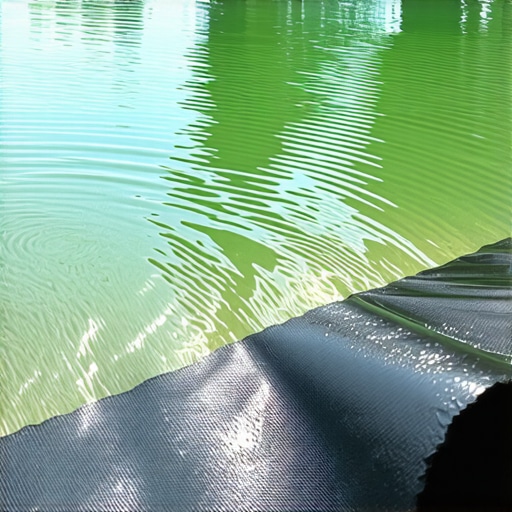
Why Is My Pond Liner Floating?
A floating pond liner, often called a whale, is caused by hydrostatic pressure where groundwater or trapped gases accumulate beneath the membrane. When external water pressure exceeds the weight of the pond water, the liner lifts. Solving this requires under-liner drainage, gas venting, and proper soil grading to redirect runoff.
The Hardscape Autopsy: A $30,000 Failure
I recently got called out to tear up a $30,000 patio and pond installation that was sinking and bubbling simultaneously because the previous contractor ignored basic civil engineering. The homeowner was distraught as their EPDM liner looked like a giant grey balloon. Upon excavation, I found that the ‘pro’ had installed the pond in a low spot of the yard without a single foot of drainage pipe. The clay soil acted like a bathtub. Every time it rained, groundwater squeezed between the soil and the liner, lifting thousands of pounds of water and stone. I had to rip out the entire base, install a French drain system, and rebuild the sub-grade from scratch. It was a preventable disaster that cost the owner twice the original price. Water always wins if you don’t give it a path to follow. It is physics, not magic.
“Soil permeability and the local water table height are the primary determinants of hydrostatic pressure against sub-grade structures.” – Penn State Extension
The Science of Hydrostatic Pressure and Buoyancy
To understand why your liner is floating, you have to understand displacement. If the soil around your pond becomes saturated, the water table rises. When the weight of the groundwater pushing up is greater than the weight of the pond water pushing down, the liner moves. This is common in heavy clay soils that do not drain laterally. In these environments, the pond basin becomes a collection point for every gallon of water in the surrounding irrigation zone. Gas is another culprit. Decaying organic matter trapped under the liner releases methane and carbon dioxide. Without a geotextile underlayment to allow gas to migrate to the surface, these gases form bubbles that look exactly like water-filled whales. Don’t skip the underlayment. It is the lungs of your pond.
“In high-clay soils, the lack of lateral water movement necessitates dedicated drainage channels to prevent structural displacement of geomembranes.” – Texas A&M Agronomy Manual
How do I get air out from under my pond liner?
Removing trapped gas or water requires installing a venting system or a sump well. If the pond is already full, you may need to partially drain it to reduce the weight, then carefully peel back the edges to allow the gas to escape. For permanent fixes, a 2-inch perforated PVC pipe should be installed in the sub-grade, wrapped in a non-woven geotextile fabric, and vented to an area above the high-water mark. This acts as an escape chimney for gases.
The Ground-Up Remediation Process
If you are in the planning phase or performing a yard cleanup that involves pond repair, follow these engineering steps. Do not trust a ‘mow-and-blow’ guy with this. You need to manage the hydrostatic head.
| Method | Effectiveness | Primary Use Case | Cost Factor |
|---|---|---|---|
| French Drain Sub-base | High | High water tables / Clay soil | Moderate |
| Hydrostatic Relief Valve | Extreme | Large scale / Deep ponds | High |
| Gas Venting Chimneys | Moderate | Organic soil / Gas buildup | Low |
| Sub-grade Sump Pit | High | Manual water management | Moderate |
1. Excavating the Drainage Trench
Dig a trench in the center of your pond floor, approximately 12 inches deep and 8 inches wide. This trench should slope toward a sump pit or a daylight exit if your yard’s topography allows it. Fill the bottom with 2 inches of 3/4-inch clean stone. No fines. Fines clog the system. Use ASTM D448 No. 57 stone. Lay a 4-inch perforated pipe (holes facing down) in the trench. This pipe will collect the groundwater before it can exert pressure on the liner.
2. Installing the Sump Well
If you cannot drain to daylight, install a vertical 12-inch PVC pipe outside the pond perimeter, extending deeper than the pond floor. Connect your under-liner drainage pipe to this well. In times of heavy rain or sod install saturation, you can drop a submersible pump into this well to manually lower the water table around the pond. This is a life saver for landscaping projects in flood-prone regions.
3. The Underlayment Layer
Never put EPDM or PVC directly on soil. Use a non-woven needle-punched geotextile. This material provides a cushion, but more importantly, it creates a planar flow path. It allows water and gas to travel along the fabric to your drainage pipes rather than getting trapped in pockets. Think of it as a highway for pressure relief.
Will a heavy rock stop a pond liner from floating?
No. This is a common DIY mistake. Adding more boulders to a floating liner usually just creates a point-load failure. The water pressure is distributed across the entire surface area. Adding a few hundred pounds of rock won’t stop the thousands of pounds of upward lift from a rising water table. In fact, the rocks can tear the liner when it shifts. Fix the drainage, don’t just add weight. It won’t work.
Maintenance and Monitoring
Your irrigation system can contribute to the problem. If you have spray heads hitting the edge of the pond, you are artificially raising the water table in the worst possible spot. Ensure your sod install near the pond is graded away at a minimum 2 percent slope. Check your sump well after heavy storms. If it is full, pump it out. This keeps the pressure neutral. Stop treating your pond like a bathtub and start treating it like a dam. Dams need pressure relief. Your pond is no different. Don’t be the guy who calls me to dig up a $30k mistake. Do it right the first time. Dig deep. Drain well. Keep the liner down. 811 must be called before you start any of this trenching. Do not hit a gas line trying to save a pond.