
The Forensic Autopsy of a Scorched Lawn
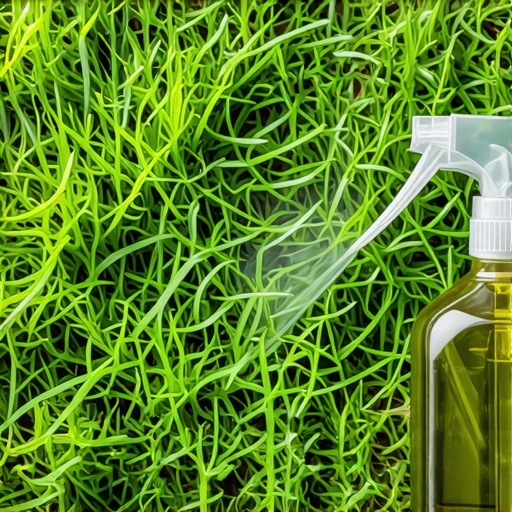
I walked onto a property last July that looked like a localized wildfire had swept through the turf. The homeowner was standing there holding a bottle of big-box store neem oil, looking devastated. They had spotted a few patches of Rhodesgrass scale and, following some half-baked advice from a social media ‘gardening influencer,’ proceeded to spray a high-concentration neem mixture in the middle of a 96-degree afternoon. They didn’t just kill the scale; they effectively deep-fried the stomata of every blade of St. Augustine on their lot. The oil acted as a magnifying glass for the UV rays, causing catastrophic phytotoxicity across 4,000 square feet of high-end turf. This is the reality of DIY chemical applications without a fundamental understanding of plant physiology. If you don’t respect the chemistry and the climate, you aren’t landscaping—you’re committing horticultural arson.
What Exactly is Lawn Scale and How Do You Identify It?
Lawn scale consists of small, immobile insects that attach themselves to the stems and crowns of turfgrass to suck out essential sap, resulting in yellowing, thinning, and eventual death of the sod. These pests, often Antonina graminis, thrive in the thatch layer and are frequently mistaken for drought stress or fungal infections by the untrained eye. Unlike most pests, they protect themselves under a white, waxy secretion that looks like tiny tufts of cotton or felt lodged in the leaf axils. If you pull a plug of grass and see these white ‘pearls’ near the soil line, you have a scale infestation that is actively draining the life from your yard. It isn’t just an aesthetic issue; it is a mechanical drain on the plant’s vascular system.
“Scale insects are particularly difficult to manage because their waxy covering protects them from many contact insecticides once they reach adulthood.” – Penn State Extension: Woody Ornamental and Turf Pests
The Science of Neem Oil: More Than Just a Natural Alternative
Neem oil works as a natural insecticide by using the compound azadirachtin to disrupt the hormonal systems of scale insects, preventing them from molting and feeding. It acts as both a miticide and a fungicide, but its primary weapon against scale is its ability to coat the insect and block its spiracles, effectively suffocating the pest. However, you cannot just use any oil. You need a 70% clarified hydrophobic extract of neem oil to ensure you aren’t just spraying raw lipids that will rancidify on your lawn. The chemistry must be precise to penetrate the waxy ‘scale’ that protects the insect without destroying the grass’s ability to transpire.
How Does Azadirachtin Impact the Biological Cycle?
Azadirachtin is a tetranortriterpenoid. When a scale insect ingests it or comes into contact with it during the ‘crawler’ stage, it mimics the insect’s natural hormones. It specifically targets the ecdysone levels, which are responsible for the molting process. If the insect cannot molt, it cannot grow. If it cannot grow, it cannot reproduce. We are essentially performing biological sabotage at a microscopic level. But remember: neem is not a ‘knock-down’ pesticide. It is a slow-acting growth regulator. You won’t see results in twenty minutes. It takes a full cycle of seven to fourteen days to see the population crash. Patience is a requirement, not an option.
The Critical Role of Yard Cleanup and Thatch Management
Yard cleanup is the most overlooked step in scale management because these insects live and breed in the thatch layer, the organic debris that builds up between the green vegetation and the soil surface. Scale loves a thick thatch. It provides a humid, protected microclimate away from predators and direct sunlight. If your thatch is deeper than half an inch, you are basically running a five-star hotel for pests. Before you even touch a bottle of neem oil, you must power rake or vertical mow to reduce that thatch. This exposes the insects to the treatment and improves the efficacy of the oil. Skip the cleanup, and you are just wasting money on product that will never reach the target.
Why Irrigation Strategy Changes Everything
Irrigation management is your secondary line of defense against scale. A plant under drought stress has a weakened cell wall, making it significantly easier for scale mouthparts to penetrate the tissue. Conversely, an over-watered lawn creates a fungal-heavy environment where scale thrives. You need deep, infrequent watering cycles. Aim for one inch of water per week, delivered in one or two sessions early in the morning. This forces the roots to dive deep for moisture, strengthening the plant’s overall resilience. If your irrigation heads are poorly spaced or leaking, you’ll find scale ‘hotspots’ in the stressed areas. Fix the hydraulics before you blame the bugs.
Material Comparison: Choosing Your Weapon
| Treatment Type | Mechanism of Action | Residual Effect | Phytotoxicity Risk |
|---|---|---|---|
| Cold-Pressed Neem | Hormonal Disruption | Low (3-5 days) | Moderate |
| Clarified Neem Oil | Suffocation/Physical | Moderate (7 days) | Low (if applied correctly) |
| Horticultural Oil | Suffocation Only | None | High in Summer |
| Systemic (Imidacloprid) | Neurotoxin | High (30+ days) | None |
Step-by-Step Protocol for Applying Neem Oil to Scale
Applying neem oil is a precise engineering task. You aren’t just ‘spraying’—you are creating a uniform chemical barrier. Follow this checklist to the letter or prepare to buy sod install services next month.
- Check the Temperature: Never apply when the ambient temperature is above 85°F. Night or early morning is the only window.
- Hydrate the Turf: Ensure the lawn is well-hydrated 24 hours before application. Stressed grass is prone to oil burn.
- Mixing Ratio: Use 2 tablespoons of 70% neem oil per gallon of water. Use an emulsifier (like a drop of castile soap) to ensure the oil and water don’t separate.
- Pressure Check: Maintain a sprayer pressure of 30-40 PSI to ensure the droplets are small enough to penetrate the waxy scale coating but large into enough to avoid drift.
- Coverage: Spray until the point of runoff. The scale is at the base of the plant, not just the tips of the leaves.
“The effectiveness of neem oil is highly dependent on timing the application with the crawler stage of the scale insect life cycle.” – Texas A&M AgriLife Extension
How much neem oil is needed per 1000 square feet?
For a standard landscaping application, you will typically need 2 to 3 gallons of mixed solution per 1,000 square feet to ensure adequate coverage of the crown and lower stems where scale resides. This isn’t a light misting; it is a thorough saturation. If you are using a hose-end sprayer, ensure the dial is calibrated correctly. Most cheap sprayers are notoriously inaccurate. I always recommend a pressurized pump sprayer for scale because it allows for more control over the droplet size and target area. Don’t be lazy. Accuracy saves your lawn.
Will neem oil kill beneficial insects in my lawn?
Neem oil is relatively safe for beneficial insects like ladybugs and bees once it has dried, but it can be harmful if they are sprayed directly while the oil is wet. To minimize risk, apply the treatment in the late evening when pollinators are less active. Because neem is primarily an ingestive and contact suffocant, it doesn’t have the broad-spectrum residual kill that synthetic pyrethroids do. It’s a scalpel, not a sledgehammer. Using it correctly preserves the predatory mites and beetles that actually help you keep the scale population under control naturally.
The Long-Game: Soil Health and Restoration
If the scale infestation was severe enough to cause dead patches, don’t just throw down seed and hope for the best. You need to evaluate the soil. Often, scale is a symptom of high soil pH or compacted earth that prevents nutrient uptake. Conduct a soil test. If your pH is above 7.5, your grass is struggling to find iron and manganese, making it an easy target for pests. Adjust your soil chemistry with elemental sulfur or acidified fertilizers before you invest in a sod install. You can’t build a cathedral on a swamp, and you can’t grow healthy turf on dead soil. Keep your mower blades sharp—dull blades tear the grass, creating open wounds that scale crawlers find irresistible. It’s a holistic system. Treat it like one.