
The Chemical Nightmare: A $15,000 Lesson in Soil Chemistry
The smell of ammonia was the first clue. Last April, I walked onto a property where the homeowner had just spent thousands on a professional sod install, only to watch it turn a sickly, neon yellow within forty-eight hours. They had ignored my maintenance plan and dumped three bags of ‘Stage 1’ big-box fertilizer across the yard. The result was a classic chemical burn. The high salt content in the cheap urea literally sucked the moisture out of the root cells through osmotic pressure. We didn’t just lose the grass; we sterilized the topsoil. I had to excavate two inches of material and start the landscaping process from scratch. It was a brutal reminder that cheap inputs are the most expensive mistake a property owner can make.
Why Big-Box Fertilizer Is Killing Your Soil Biology
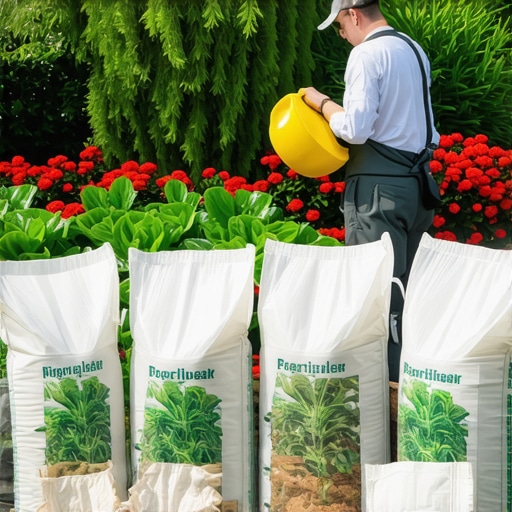
Cheap fertilizers rely on high salt indexes and synthetic urea that provide an immediate green-up but eventually dehydrate beneficial microbes and earthworms. This chemical dependency creates a hydrophobic soil environment, leading to nutrient lockout and a complete collapse of the rhizosphere’s natural ecosystem, forcing constant yard cleanup. [IMAGE_PLACEHOLDER]
“Synthetic fertilizers with a high salt index can suppress the activity of soil microorganisms, which are essential for nutrient cycling and organic matter decomposition.” – Penn State Extension, Agronomy Guide
How much nitrogen does my lawn actually need in the spring?
For most cool-season grasses like Kentucky Bluegrass or Tall Fescue, you should target 0.5 to 0.75 pounds of actual nitrogen per 1,000 square feet during the first spring application. Using slow-release methylene urea ensures the plant isn’t forced into a growth spike that outpaces its root capacity. High-nitrogen spikes in March lead to weak cellular walls, making the turf a prime target for fungal pathogens like brown patch and dollar spot. If you are doing a sod install, the nitrogen requirements change to favor phosphorus for root establishment, usually in a 1:2:1 ratio. Don’t guess. Pull a soil sample and check your cation exchange capacity (CEC) before you spread a single grain of product.
The Hidden Cost of Salt-Based Nitrogen
Most commercial fertilizers found in retail stores use ammonium nitrate or urea coated in thin polymers that fail under heat. When these salts dissolve, they increase the osmotic pressure of the soil solution. This makes it harder for the roots to pull in water, even if your irrigation system is running 24/7. It is a physiological drought caused by chemistry. You see a green lawn for a week, then a dormant, struggling mess for a month. We use polymer-coated sulfur-coated urea (PCSCU) which breaks down via microbial activity, not just water contact. This feeds the soil, not just the blade. This is the difference between a contractor and a master landscaper.
| Feature | Cheap Synthetic Fertilizer | Professional Grade (Slow-Release) |
|---|---|---|
| Nitrogen Source | Quick-release Urea / Salts | Methylene Urea / IBDU |
| Residual Effect | 7-14 Days | 8-12 Weeks |
| Soil Impact | Increases acidity and salt | Supports microbial life |
| Leaching Risk | High (Runoff into gutters) | Negligible |
| Price per lb N | $1.50 – $2.10 | $3.50 – $4.80 |
The Critical Link Between Irrigation and Nutrient Uptake
Proper irrigation scheduling is the engine that drives nutrient translocation from the soil into the xylem and phloem of your grass. Without deep, infrequent watering of at least 1 inch per week, your spring fertilizer stays sitting on the surface, causing volatilization and nitrogen loss. Many homeowners over-water in short bursts. This keeps the thatch layer wet but the root zone dry. You are essentially growing a hydroponic lawn with no foundation. When we perform a yard cleanup, we often find that the irrigation heads are clogged with minerals, preventing even distribution and creating ‘hot spots’ where fertilizer salts concentrate and kill the grass.
What is the best way to apply spring fertilizer?
The most effective method for spring fertilization is a split-application strategy using a calibrated broadcast spreader at a 50% overlap setting. This prevents the ‘tiger stripe’ effect caused by uneven distribution. Ensure the lawn is core aerated first to allow the nutrients to reach the sub-surface soil profile where they can be processed by mycorrhizae. Avoid ‘weed and feed’ products. They are a compromise that does two jobs poorly. Apply your pre-emergent for crabgrass separately from your nutrient load to ensure the chemical barrier remains intact. Accuracy matters here. If you are off by 10%, you are either wasting money or burning roots.
“A retaining wall doesn’t fail because of the stone; it fails because of the water trapped behind it.” – Hardscape Engineering Axiom
The Forensic Autopsy of a Failed Lawn Program
When a lawn fails despite fertilization, the culprit is almost always soil pH. If your pH is below 6.0, the nitrogen you just paid for is chemically locked in the soil and unavailable to the plant. It is like having a full fridge with a locked door. We use calcitic lime to adjust the hydrogen ion concentration before the spring push. This increases the nutrient density of the turf and makes it resilient against the summer heat. If you are planning a sod install, this step is non-negotiable. Putting expensive sod on acidic, compacted clay is a recipe for a landscaping disaster that will require a full tear-out in three years. Do it right the first time. Focus on the biology, not the bag.
The Master Landscaper’s Spring Checklist
- Soil Test: Check pH, Phosphorus, and Potassium levels before buying product.
- Calibrate Spreader: Ensure you are putting down exactly 0.75 lbs of N per 1k sq ft.
- Core Aeration: Pull 3-inch plugs to relieve compaction and allow gas exchange.
- Irrigation Audit: Verify 1-inch per week delivery with a rain gauge.
- Mower Height: Set blades to 3.5 or 4 inches. Never take off more than 1/3 of the blade.