
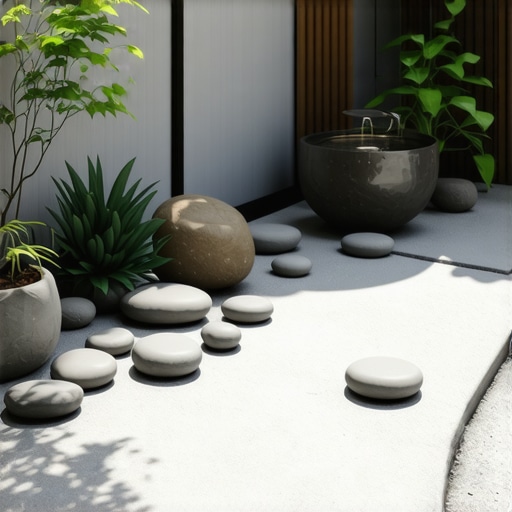
The Blueprint of a 2026 Shady Zen Patio
A 2026 Zen garden for small, shady patios requires prioritizing low-light plant biology, hydrostatic drainage management, and high-density material selection. By focusing on mosses, ferns, and precise stone placement, you create a cooling effect that mitigates urban heat island impacts while managing moisture levels effectively in confined spaces. This is not about decorative trinkets; it is about creating a stable, living system within the constraints of limited solar energy.
I always drill into my new crew members: if you don’t fix the soil grading first, every plant you put in the ground is just expensive compost. I remember a job in a tight urban lot where the homeowner wanted a ‘Zen’ feel. The previous contractor had just dumped three inches of pea gravel over heavy clay without checking the pitch. Within two months, the patio was a stagnant pool of mosquito larvae and rotting roots. We had to rip it all out, regrade the sub-base to a 2% slope, and install a perforated pipe system before we even talked about aesthetics. Engineering comes before art, every single time.
Idea 1: The Cryptogam Floor (Moss and Ferns)
Implementing a cryptogam-based floor involves utilizing non-vascular plants like mosses alongside shade-tolerant ferns to thrive in 5% to 20% sunlight. This strategy relies on acidic soil pH and consistent humidity, requiring a dedicated irrigation system that delivers fine mist rather than heavy saturation to prevent root rot. Mosses, specifically Bryophyta, are ideal for areas where traditional turf grass fails due to lack of light and high moisture. [IMAGE_PLACEHOLDER_1]
“Mosses are not vascular plants; they absorb water and nutrients through their leaves, which necessitates a clean, debris-free environment for survival.” – Penn State Extension
What plants grow best in a full shade Zen garden?
For a high-performing shade garden, focus on Adiantum pedatum (Northern Maidenhair Fern) and Dicranum scoparium (Mood Moss). These species handle the low-light conditions of a north-facing patio or a space shaded by high-rise structures. Avoid ‘big box’ inventory which often mislabels sun-loving plants as shade-tolerant. You need plants adapted to high humidity and low evaporation rates. If you have any sunlight—at least 4 hours—you might consider a specialized sod install using fine fescue, but in deep shade, stay with moss and ferns.
Idea 2: The Dry River Bed for Drainage Management
A dry river bed (Karesansui) serves both as a Zen aesthetic and a functional drainage solution for small patios. By excavating a trench and lining it with 2-inch minus river cobble and a geotextile fabric, you direct runoff away from the home foundation, preventing hydrostatic pressure buildup. This is critical in small patios where water has nowhere to go. You must use a non-woven geotextile to prevent soil fines from migrating into your stone layer and clogging the system.
“Effective drainage systems must move water at a minimum slope of 1/4 inch per foot to prevent stagnation and structural damage.” – International Concrete Paver Institute (ICPI)
How much modified gravel do I need for a patio base?
For a stable Zen patio, you need a minimum of 4 inches of compacted Modified Crush (21A or similar). To calculate, multiply your square footage by the depth (0.33 feet) and divide by 27 to get cubic yards. Do not skip the plate compactor. If your base isn’t solid, your stones will shift within the first freeze-thaw cycle. This is the difference between a professional landscaping job and a DIY failure.
| Material Type | Compaction Rate | Drainage Rating | Primary Use |
|---|---|---|---|
| Modified Gravel | 95% SPD | Low | Structural Base |
| River Cobble | N/A | High | Surface Drainage |
| Decomposed Granite | 85% | Medium | Zen Walking Paths |
| Pea Gravel | N/A | High | Decorative Infill |
Idea 3: The Vertical Slate Monolith and Irrigation
In small patios, square footage is a premium. Using vertical slate monoliths provides the ‘mountain’ element of Zen design without taking up the floor space needed for movement. These structures must be anchored below the frost line. Furthermore, a yard cleanup should involve removing any decaying organic matter that could harbor fungal pathogens in these high-shade, high-moisture environments. Your irrigation strategy must be precise; use a smart controller with a rain sensor to avoid over-saturating the soil. Shady areas evaporate water 70% slower than sunny areas. If you water on a sun-schedule, you will kill your plants.
Zen Garden Installation Checklist
- Call 811 to mark underground utility lines before any excavation.
- Remove existing debris and perform a thorough yard cleanup.
- Test soil pH; moss prefers 5.0 to 5.5, while ferns like 6.0.
- Excavate 6 inches for the base and drainage runs.
- Install 4 inches of modified stone and compact in 2-inch lifts.
- Lay geotextile fabric to separate the base from the decorative stone.
- Install irrigation misting lines for moss patches.
- Place focal stones (monoliths) and plant shade-tolerant species.
The success of a Zen space in 2026 relies on the technical execution of the sub-grade. Once the sod install or moss layout is complete, your maintenance involves keeping the stone free of organic litter. If leaves rot on top of your gravel, they create a nutrient-rich environment for weeds. Keep it clean. Keep it dry where it needs to be dry, and precisely damp where the biology demands it. A managed space is a healthy space. Avoid the temptation to over-fertilize; shade plants are slow-growing and high-nitrogen inputs will only result in salt burn and root desiccation.