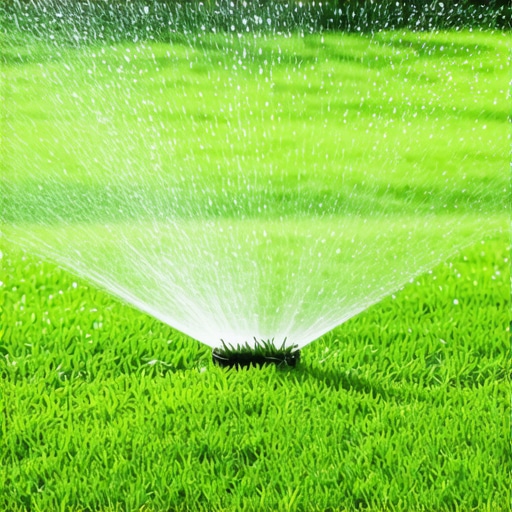
Ever spent hours laying sod only to see it turn patchy, brown, and unhappy within weeks? I sure have. I remember my first attempt at a professional sod install, thinking I could skip the irrigation part. Big mistake. That lightbulb moment hit me hard when my new lawn looked worse than before. Since then, I’ve learned that a lush, green yard isn’t just about the sod itself but how you nurture it right from the start.
Why Ignoring the Basics Can Ruin Your Lawn Dreams
If you’re like me, you’ve probably faced the frustration of investing time, money, and effort into a yard that just doesn’t thrive. The truth is, without proper irrigation and landscaping strategies, even the best sod can struggle. It’s easy to underestimate how crucial water management is—especially during those critical first few weeks of establishing your new lawn.
Early on, I made a costly mistake: I overwatered, thinking more water meant faster growth. Turns out, that’s a quick way to drown your grass and invite disease. That’s when I discovered the importance of a balanced, strategic approach, which you can learn about in expert irrigation tips. Proper watering isn’t just about quantity, but timing, pressure, and consistency.
Is Pro Sod Install & Irrigation Really Worth the Hype?
Honestly, I was skeptical at first. I wondered if all the fuss about professional services was just marketing hype. But after my own failures, I realized that DIY can only take you so far. The right techniques, tools, and experience make a huge difference. The margin for error is slim—skipping steps or rushing can set your lawn back months. Plus, professional tips can save you money long-term by preventing costly mistakes. Want to avoid my mistake? Check out best sod installation strategies.
So, if you’ve ever felt overwhelmed by the sheer complexity of achieving that perfect, vibrant lawn, you’re not alone. My journey taught me that success lies in understanding the fundamentals and executing them with care. Ready to turn your yard into a lush paradise? Stay tuned—next, I’ll walk you through the practical steps for a professional-grade sod install and irrigation setup that works in harmony for a stunning 2025 lawn.
Prepare Your Yard Like a Pro
Start by clearing the area thoroughly, removing weeds, debris, and any old grass. Use a rake or power blower to create a smooth, level surface. Think of it as preparing a canvas before painting; the cleaner and flatter, the better your end result. I once neglected this step, and my sod settled unevenly, creating a bumpy lawn that took months to fix. Proper yard cleanup sets the foundation for success. For expert advice, check out yard cleanup tips.
Lay the Sod Carefully
Unroll the sod in adjacent strips, staggering the seams like brickwork. This prevents gaps and makes the lawn look seamless. As I learned from my first attempt, rushing this step leads to uneven growth and patchiness. Use a sharp knife to trim sod around edges and obstacles. Water the sod immediately after installation to help it settle and prevent air pockets. Remember, the goal is to mimic a natural, continuous turf. For more detailed strategies, visit sod installation techniques.
Set Up a Smart Irrigation System
I initially thought manual watering was enough, but I quickly saw that inconsistent watering led to patchy growth. Installing an automated irrigation system is like giving your lawn a daily dose of precise hydration. Use zones to target different areas, and consider drip irrigation for beds and sprayers for lawns. Adjust the pressure and timing based on weather conditions—overwatering can drown roots, while under-watering stunts growth. A well-designed system ensures even coverage and saves water. For tailored irrigation ideas, explore irrigation design tips.
Water the Right Way at the Right Time
Timing is everything. I found that early morning watering prevents evaporation and fungal issues. Water deeply but infrequently to encourage deep roots—about 1 to 1.5 inches per session. Use a rain gauge or soil moisture meter to measure moisture levels. During the first few weeks, I watered twice daily, morning and evening, to keep the sod moist but not soaked. After establishment, cut back to 2-3 times weekly. Proper watering practices make a noticeable difference in lawn density and health. Learn more at watering strategies.
Monitor and Adjust Regularly
Keep an eye on your yard—look for signs of overwatering like pooling or yellow patches, and under-watering like wilting or brown tips. I once ignored these signs, and my lawn suffered. Adjust your irrigation schedule based on weather, season, and soil type. Use moisture sensors or even simple DIY methods like checking soil with a trowel. Consistency is key; a little daily observation prevents big problems later. For advanced techniques, see irrigation system improvements.
Many homeowners approach sod installation, irrigation, and yard cleanup with misconceptions that can sabotage their efforts. Let’s dig deeper into some of the most overlooked nuances and pitfalls that even experienced landscapers sometimes fall into. Understanding these can help you avoid costly mistakes and achieve that lush, healthy lawn you desire.
Why Most People Overlook the Importance of Soil Preparation
One of the biggest myths is that simply laying sod on any soil will do. In reality, the quality of your soil plays a crucial role in sod success. Many assume that adding fertilizer alone is enough, but what truly matters is soil compaction, pH balance, and nutrient levels before installation. Skipping proper soil testing and amendments can lead to poor root establishment and patchy growth, regardless of how perfect your sod looks initially. For advanced insights on soil prep, check out expert tips on soil preparation.
Don’t Fall for the Watering Myth That More Is Better
Another common trap is believing that frequent, shallow watering fosters healthier grass. While it might seem intuitive, this approach encourages shallow root growth, making your lawn more susceptible to drought and disease. Instead, deep, infrequent watering—aiming for about 1-1.5 inches per session—promotes deep root systems that withstand dry spells. This nuance is often missed by DIYers who stick to a rigid schedule without considering weather variability or soil moisture levels. For a more nuanced watering strategy, explore expert irrigation advice.
How Yard Cleanup Can Make or Break Your Lawn
Many underestimate the importance of thorough yard cleanup before sod installation. Clearing weeds, debris, and old grass isn’t just about aesthetics; it’s about creating a clean, level foundation. Failing to do this can trap air pockets beneath the sod, impairing root contact with soil and leading to uneven growth or disease. Additionally, neglecting to remove invasive weed roots can cause persistent problems down the line. Proper cleanup is an investment in your yard’s future health, as detailed in yard cleanup strategies.
Are You Washing Away Nutrients with Your Irrigation
An advanced mistake many overlook is over-irrigating and causing nutrients to leach away. Excessive watering not only drowns roots but also washes away essential nutrients, undermining your fertilization efforts. Soil testing can identify nutrient deficiencies that water runoff may exacerbate. A smart irrigation system, combined with proper scheduling, ensures water reaches roots without waste. This is a subtle but impactful factor that separates average lawns from stunning ones. For tailored irrigation design, see irrigation system tips.
Have you ever fallen into this trap? Let me know in the comments. Remember, success in lawn care isn’t just about the big steps—it’s about mastering the subtle details that make all the difference.
Keep Your Lawn in Top Shape with the Right Tools
Maintaining a lush, healthy lawn over time requires investing in the right equipment tailored to your specific landscaping needs. I personally swear by a high-quality oscillating sprinkler for even water distribution. Unlike static sprinklers, oscillating ones cover larger areas uniformly, reducing dry patches and overwatering, which can lead to root rot. For soil preparation and aeration, I use a lawn dethatcher and core aerator to alleviate compaction and improve nutrient penetration. These tools ensure your sod roots establish deep and strong, setting the foundation for long-lasting greenery.
When it comes to edging and trimming, a reliable string trimmer with adjustable heads makes quick work of cleanup around beds and pathways. I prefer models with adjustable speed settings, so I can delicately trim delicate grasses or aggressively edge thicker areas. For ongoing lawn health monitoring, a soil moisture meter becomes indispensable. It helps me determine exactly when to water, preventing overwatering and nutrient leaching—common pitfalls that undermine long-term lawn health.
Automate for Consistency and Efficiency
Automation isn’t just a luxury; it’s quickly becoming a necessity for sustained yard care. I recommend investing in a smart irrigation controller that connects to your Wi-Fi network. These devices allow you to schedule watering sessions based on weather forecasts, soil moisture levels, and plant needs, ensuring your lawn gets precisely what it needs without waste. As technology advances, future trends are leaning toward AI-powered controllers that adapt in real-time, optimizing water use while maintaining lawn vitality. To stay ahead, consider exploring latest irrigation innovations.
How do I maintain my irrigation system over time?
Regular inspection and cleaning are key to keeping your irrigation system functioning optimally. Check for clogged nozzles or leaks monthly, especially after winter or heavy storms. Incorporate seasonal adjustments—reducing watering frequency during cooler months helps conserve water and prevents over-saturation. Additionally, scheduling annual professional calibration ensures the system delivers water at the correct pressure and pattern. As systems become more technologically advanced, integrating soil sensors and weather data can automatically adjust watering, making maintenance hands-off but vital for efficiency. For comprehensive guidance, visit expert irrigation maintenance tips.
Ultimately, mastering these tools and maintenance routines will keep your yard looking impeccable year-round. I encourage you to try implementing one of these advanced irrigation scheduling techniques today—your lawn will thank you with vibrant growth and resilience.
The Hardest Lesson I Learned About sod install, irrigation, landscaping, yard cleanup
One of my biggest realizations was that even the best sod can fail if you neglect the soil preparation. I once rushed into laying sod without testing the pH or checking soil compaction, and the result was patchy growth that took months to fix. Now I know that soil health is the backbone of a thriving lawn, and I always start with a thorough soil test and amendments. For expert advice on soil prep, check out these tips.
Why More Water Sometimes Means Less Growth
Early on, I believed watering more frequently would help my new sod establish faster. I was wrong. Shallow watering encourages shallow roots, which makes the lawn vulnerable to drought and disease. Deep, infrequent watering—about 1-1.5 inches per session—builds deep roots that withstand dry spells. Monitoring soil moisture is key. Learn more about effective watering strategies in expert irrigation advice.
The Value of a Clean Slate in Yard Cleanup
Skipping thorough yard cleanup was a costly mistake I made. Old grass, weeds, and debris trapped air pockets beneath the sod, impairing root contact and leading to uneven growth. Investing time in clearing and leveling the soil creates a solid foundation. For detailed strategies on yard cleanup, see these cleanup tips.
How Automation Transformed My Lawn Care Routine
Initially, I manually watered my lawn, which led to inconsistent results. Upgrading to a smart irrigation system changed everything. Zones, weather-based scheduling, and soil sensors helped me water exactly what my lawn needed without waste. This automation saves time and ensures consistent lawn health. For the latest in irrigation tech, explore these innovations.
Personal Reflection: The Subtle Details Matter
One of my lightbulb moments was realizing that small adjustments, like watering early in the morning or aerating after heavy rains, make a huge difference. Overwatering leaches nutrients; neglecting aeration causes compaction. Paying attention to these details is what separates average lawns from stunning ones. To deepen your understanding, visit these expert tips.