
Identifying the Fungal Pathogen: The Orange Dust Autopsy
Lawn rust fungus, primarily caused by Puccinia or Uromyces species, manifests as microscopic orange or yellow spores that coat grass blades and coat everything from mower decks to your favorite pair of boots. This pathogen thrives when nitrogen levels are depleted and moisture persists on the leaf surface for extended periods.
I recently got called out to a property where the homeowner was in a full-blown panic. They had spent thousands on a fresh sod install only to see the whole front yard turn a sickly shade of burnt orange within three weeks. After testing the soil, it was clear they had torched the turf by applying a high-salt, cheap fertilizer during a heat wave. This didn’t just burn the blades; it crashed the soil biology, leaving the weakened grass wide open for a massive rust outbreak. This wasn’t a gardening mishap. It was a chemical nightmare that required a complete forensic overhaul of their maintenance schedule.
How do I identify lawn rust fungus?
To identify lawn rust, look for powdery, rust-colored spores that easily rub off the leaf blade onto your fingers or clothing. Close inspection will reveal small, raised pustules that have ruptured the cuticle of the grass, leading to rapid desiccation and yellowing of the turf canopy.
“Fungal pathogens like rust are opportunistic; they do not cause the weakness in the plant, they exploit the physiological stress caused by nutrient deficiencies or poor drainage.” – Texas A&M Agrilife Extension
The Science of Neem Oil as a Fungicide
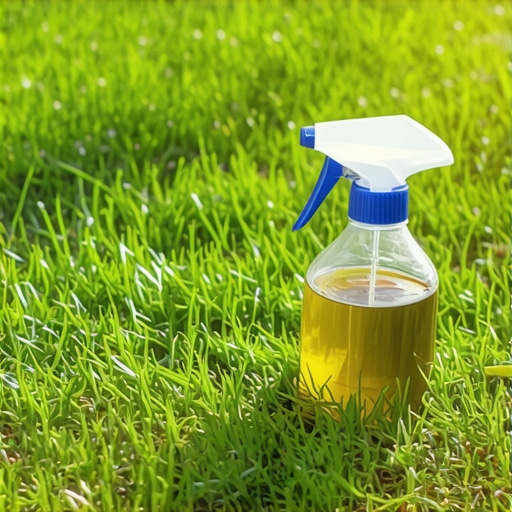
Neem oil serves as a bio-rational fungicide because it contains Azadirachtin, a compound that disrupts the hormonal systems of pests and inhibits the germination of fungal spores on the leaf surface. For 2026 weather patterns, cold-pressed neem oil is the only reliable organic option for managing rust without nuking your soil microbiome.
Most people fail with neem because they buy the cheap, refined “hydrophobic extract” from a big-box store. That stuff is basically just soap. You need the raw, cold-pressed oil that still contains the active limonoids. When you spray, you are creating a physical barrier. The oil coats the urediniospores (the infectious stage of rust), preventing them from penetrating the stomata of the grass. It’s about physics as much as chemistry. If the spore can’t breathe or eat, it dies.
| Treatment Factor | Cold-Pressed Neem Oil | Synthetic Fungicides (Myclobutanil) |
|---|---|---|
| Action Mechanism | Preventative & Systemic Interference | Curative & Cellular Disruption |
| Soil Impact | Promotes Microbial Growth | Can Inhibit Mycorrhizae |
| Application Interval | 7-10 Days | 14-28 Days |
| Residue Risk | Zero / Biodegradable | High / Ground Water Concern |
Does neem oil kill grass fungus instantly?
No, neem oil is not a contact killer like bleach; it works by interrupting the reproductive cycle of the fungus and strengthening the plant’s cuticle. You must apply it consistently every 7 to 10 days until the environmental conditions favoring the rust—usually high humidity and low nitrogen—have subsided.
The Critical Role of Irrigation and Drainage
Proper irrigation management is the single most important factor in preventing fungal spread, as rust spores require a film of water on the leaf for at least 10 hours to germinate. If your sprinklers are hitting the yard at 8:00 PM, you are basically handing the fungus an invitation to dinner. You must water between 4:00 AM and 8:00 AM to allow for rapid evaporation.
We often find that rust outbreaks are localized in areas with poor landscaping grade. If water pools for more than two hours after a rain, your soil is compacted. You have zero oxygen in the root zone. I tell my crews: if you don’t fix the yard cleanup and aeration first, you are just throwing money away on sprays. You need 2-3 inch deep aeration cores to get oxygen down to the microbes that actually fight the fungus. Hard soil equals dead grass.
“Effective disease management in turfgrass requires an integrated approach that prioritizes cultural practices like soil aeration and proper drainage over chemical intervention.” – Penn State Center for Turfgrass Science
Step-by-Step Remediation Checklist
- Test the Soil: Check for nitrogen deficiency. Rust loves low-N environments.
- Adjust the Height: Raise your mower blade to 3.5 or 4 inches. Taller grass has deeper roots.
- Calibrate the Sprayer: Apply neem oil at a rate of 2 ounces per gallon of water. Ensure 100% coverage.
- Sanitize Equipment: Wash your mower deck after every cut. Don’t spread spores to the backyard.
- Core Aeration: Pull 3-inch plugs to break up the thatch layer where spores overwinter.
The 2026 Maintenance Reality
By the time you see orange shoes, the infection is already systemic. You aren’t just “fixing” a lawn; you are managing a biological system. This requires a shift in how you view yard cleanup. It is not just about raking leaves; it is about removing the diseased tissue that fuels the next cycle. In my firm, we don’t even use baggers; we use high-suction vacuums on infected properties to ensure no spores remain in the thatch. It is a grind. But it works. Your soil pH should be sitting at 6.5 to 7.0. Anything lower, and you’re just growing a petri dish for pathogens. Fix the dirt, and the grass will follow.