
The Biological Clock of Rose Pruning
The best time to prune roses is during late winter or early spring just as the dormant buds begin to swell but before the plant pushes new leaves. In most climates, this occurs between late February and early April, ensuring the plant directs its stored nitrogen toward robust new growth.
I always drill into my new crew members: if you don’t fix the soil grading first, every plant you put in the ground is just expensive compost. It is the same with pruning. You can have the most expensive shears in the world, but if your timing is off, you are just wounding a living organism. My landscaping firm has seen too many homeowners treat roses like a common hedge, hacking them back in November. That is a death sentence in regions with freeze-thaw cycles. You open up a vascular wound, water gets in, it freezes, and the cane splits. Now you have a gateway for pathogens. Wait for the forsythia to bloom. That is nature’s signal that the ground is warming and the plant is ready to heal.
“Pruning roses during dormancy minimizes stress and allows for the rapid healing of vascular tissues as the plant enters its spring growth flush.” – University of California Agriculture and Natural Resources
The Anatomy of the Perfect Cut
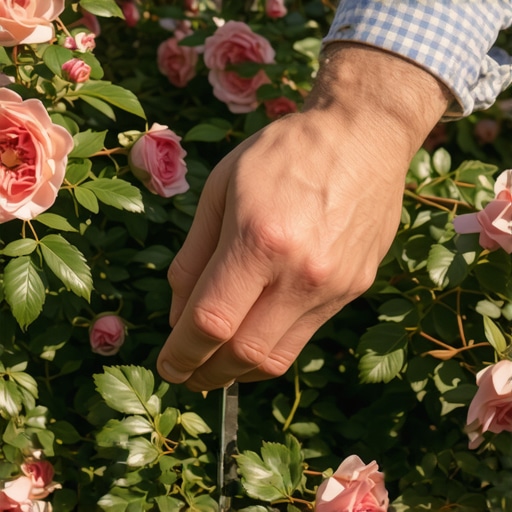
Proper pruning involves identifying the bud eye and making a precise 45-degree cut approximately 1/4 inch above it to direct growth away from the center of the plant. This angle is critical for water shedding. If you cut flat, water sits on the open wound. It will rot. If you cut too close to the bud, you kill the very tissue you want to stimulate. If you cut too far away, you leave a dead stub that serves as a highway for boring insects like the rose stem sawfly.
How do you sharpen rose pruning shears?
To sharpen rose pruning shears, use a diamond file or a medium-grit whetstone, following the factory bevel of the blade in one direction. Never use a grinder. You will lose the temper of the steel. After sharpening, calibrate the tension so the blades slide past each other without a gap. A clean snip is better than a jagged tear. Every jagged tear is a site for botrytis. We use 70 percent isopropyl alcohol between every single plant. Don’t skip this. If you prune a diseased shrub and move to a healthy one without disinfecting, you are the vector. You are the problem.
The Ground-Up Build: Material and Environmental Logic
Successful rose cultivation is not just about the cut; it is about the entire landscaping ecosystem, including soil structure, irrigation, and the surrounding sod install. Roses are heavy feeders and high-maintenance drinkers. If your irrigation system is hitting the foliage instead of the root zone, you are growing fungus, not flowers. We install drip lines for a reason. It keeps the leaves dry and the roots deep. When we perform a sod install near rose beds, we ensure a clear 12-inch buffer zone of mulch. Grass is a competitor. It steals nitrogen and smothers the root flare.
| Rose Variety | Pruning Severity | Timing Window | Primary Goal |
|---|---|---|---|
| Hybrid Tea | Hard (3-5 canes left) | Late Winter | Large individual blooms |
| Floribunda | Moderate | Early Spring | Masses of smaller flowers |
| Climbing Roses | Light (Structural) | After first bloom | Establishing vertical framework |
| Shrub Roses | Renewal (1/3 rule) | Late Winter | General density and health |
The Yard Cleanup and Pathogen Management Protocol
Yard cleanup is a mandatory sanitary procedure where all fallen leaves and pruned canes are removed from the site to prevent the overwintering of black spot and powdery mildew. Most DIYers leave the clippings at the base of the plant as mulch. That is idiocy. You are literally building a nursery for the very spores that will destroy your spring bloom. We bag everything. We rake the mulch back, inspect the root flare, and apply a dormant spray of lime sulfur if the previous year had high disease pressure.
“Proper tool sanitation is the primary defense against the spread of Rose Rosette Disease and fungal pathogens like black spot (Diplocarpon rosae).” – Texas A&M Agrilife Extension
What is the best fertilizer for roses after pruning?
The best fertilizer for roses after pruning is a balanced 10-10-10 NPK ratio or a specialized rose food with added magnesium and calcium to support cell wall strength. Avoid high-nitrogen fertilizers early in the season if a late frost is possible. High nitrogen forces soft, succulent growth that has zero cold hardiness. One hard frost and all that new growth turns to mush. We wait until we see two inches of new green growth before the first heavy feeding. We also check the soil pH. If you are above 7.0, your roses can’t even pick up the iron in the soil, no matter how much you fertilize.
Checklist for a Successful Pruning Season
- Inventory tools: bypass pruners, loppers, and a folding saw for older canes.
- Sanitize all equipment with alcohol or 10 percent bleach solution.
- Remove the three Ds: Dead, Damaged, and Diseased wood.
- Open the center of the bush to increase airflow and sunlight penetration.
- Seal large cuts (over 1/2 inch) with wood glue to prevent cane borers.
- Clear the base of the plant of all debris during your yard cleanup.
- Check the irrigation system for leaks or clogged emitters.
- Top-dress with two inches of aged compost or high-quality mulch.
Infrastructure Integration: Sod and Soil
When we manage a full landscaping project, the relationship between the rose beds and the sod install is a matter of civil engineering. We grade the beds so water moves away from the rose crowns. Standing water causes root rot in less than 48 hours in heavy clay soils. If we are laying new sod, we ensure the sod is tucked against a stone or metal edge. You do not want your turf creeping into your rose root zone. It creates a maintenance nightmare and forces the use of herbicides that can drift and damage the roses. Practicality wins every time. Design for the mower, but plant for the bloom.
“,”image”:{“imagePrompt”:”A close-up, high-detail macro shot of a veteran gardener’s calloused hand using sharp, professional bypass pruners to make a perfect 45-degree cut on a rose cane, 1/4 inch above a swelling bud eye, with clean soil and a drip irrigation line visible in the blurred background.”,”imageTitle”:”Precision Rose Pruning Technique”,”imageAlt”:”A professional gardener making a 45-degree pruning cut on a rose stem.”},”categoryId”:0,”postTime”:””}