
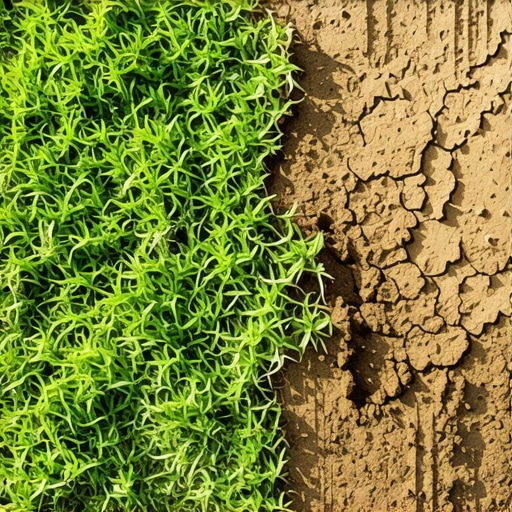
I stepped onto a lawn last July that felt like walking on a dry sponge. The homeowner was frantic. He had dumped three bags of high-nitrogen fertilizer on a drought-stressed lawn during a 95-degree heatwave. He did not just feed the grass; he chemically castrated the soil microbiology. The fescue blades were not just yellow; they were brittle, skeletal remains of what should have been a resilient stand of turf. This is the chemical nightmare I see every year. People think more is better, but in the world of high-end landscaping, more is often the fastest way to a total sod install that costs five figures. You do not have to rip it all out, but you do have to stop treating your lawn like a chemistry experiment gone wrong.
Understanding Fescue Growth Habits
To fix patchy fescue without a full renovation, you must perform core aeration to relieve compaction, apply top-dressing with organic compost, and overseed with a high-quality turf-type tall fescue blend. This process bypasses the need for a full sod install by leveraging the existing root structures and soil biology. Fescue is a bunch-type grass. It does not have the rhizomes of Bermuda or the stolons of St. Augustine. If a patch dies, it stays dead until you put a new seed in the ground. It will not crawl back. You have to intervene. Don’t skip the soil test.
“Tall fescue is a bunch-type grass, meaning it doesn’t spread via rhizomes or stolons like Kentucky Bluegrass or Bermuda. If a patch dies, it stays dead until you put new seed in the ground.” – Agronomy Management Guide
The Soil Compaction Autopsy
Compaction is the silent killer of fescue. When your soil is packed tight, the roots cannot breathe. I see it on every yard cleanup job where the homeowner wonders why the grass is thin. The soil becomes like concrete. Oxygen cannot get in, and carbon dioxide cannot get out. This gas exchange is vital. If the roots cannot penetrate more than two inches because the soil is too dense, the grass will wilt at the first sign of 100-degree weather. You need to pull cores. Not those little spikes that just push the dirt aside, but actual hollow tines that remove a plug of soil. These plugs should be 2.5 to 3 inches deep. This allows the irrigation to actually reach the root zone instead of just running off into the gutter.
How much seed do I need for a fescue overseed?
For a standard overseed of an existing but thin lawn, you should aim for 5 to 7 pounds of high-quality turf-type tall fescue (TTTF) per 1,000 square feet. If you are dealing with bare dirt patches that are larger than a dinner plate, increase that rate to 10 pounds in those specific spots to ensure dense coverage. Do not buy cheap seed from a big-box store. Those bags often contain up to 2% weed seed and 5% inert matter. That is how you end up with a lawn full of poa annua and orchardgrass. Look for “Blue Tag” certified seed. It is the gold standard in the industry.
| Treatment Method | Estimated Cost (per 1k sq ft) | Recovery Time | Success Rate |
|---|---|---|---|
| Core Aeration & Overseeding | $150 – $250 | 21-30 Days | High (with water) |
| Full Sod Installation | $1,200 – $2,500 | Instant | Guaranteed |
| Patch Repair Kits (DIY) | $40 – $80 | 14-21 Days | Moderate |
| Top-Dressing (Compost) | $100 – $200 | N/A (Soil Build) | Long-term High |
The Role of Yard Cleanup in Grass Health
A proper yard cleanup is not just about aesthetics; it is about sanitation. Thatch is a layer of dead and living organic matter that accumulates between the green blades and the soil surface. A little thatch is good. It acts like mulch. Too much thatch? That is a breeding ground for Pythium and Brown Patch. If your lawn is patchy, you need to clear the debris so the new seed makes direct contact with the soil. Seed sitting on top of leaves or thick thatch will germinate and then immediately die because the roots cannot hit the dirt. It will rot. Clean the site before you seed. No excuses.
“Properly timed core aeration increases the rate of water infiltration and enhances the exchange of gases between the soil and the atmosphere.” – Penn State Center for Turfgrass Science
Is it better to sod or seed patchy fescue?
Sod is the nuclear option for landscaping. It is effective but expensive. If more than 50% of your lawn is bare dirt, a sod install is the most logical path to avoid a multi-year recovery project. However, if the lawn is just thin and “moth-eaten,” overseeding is better because it allows you to introduce newer, more heat-tolerant fescue cultivars into the existing stand without the massive labor cost of stripping the old turf.
Irrigation Calibration for Deep Roots
Most homeowners are killing their fescue with kindness. They water for 10 minutes every single day. This is a death sentence. It creates a shallow root system and a humid canopy that fungi love. You need to water deep and infrequent. One inch of water per week is the standard. If you have heavy clay soil, you might need to split that into two half-inch sessions to prevent runoff. You want the water to soak down 6 inches. This forces the fescue roots to chase the moisture down into the earth. Deep roots survive August. Shallow roots do not. Test your irrigation system with tuna cans. Place them around the yard, run the zones, and see how long it takes to hit that one-inch mark. Science beats guesswork every time.
- Soil Test: Check your pH levels; fescue thrives between 6.0 and 7.0.
- Aeration: Pull 3-inch plugs to relieve compaction and allow gas exchange.
- Clean Site: Remove all debris and excess thatch for seed-to-soil contact.
- Quality Seed: Use Blue Tag certified Turf-Type Tall Fescue.
- Starter Fertilizer: Use a high-phosphorus blend to encourage root development.
- Watering: Keep the seed bed moist for the first 21 days, then transition to deep watering.
The Technical Truth About Nitrogen
Nitrogen is not just “plant food.” It is a fuel that drives top growth. If you apply too much nitrogen to fescue when it is struggling in the heat, the plant will exhaust all its stored carbohydrate reserves trying to grow more blades instead of maintaining its roots. This is why the lawn I mentioned earlier torched. The nitrogen forced growth the plant could not support. For a patchy fescue recovery, wait until the soil temperatures drop below 70 degrees before you hit it with a heavy nitrogen load. Timing is everything in landscaping. If you miss the window, you are just throwing money into the wind. Stick to the schedule. Watch the thermometer, not the calendar.