
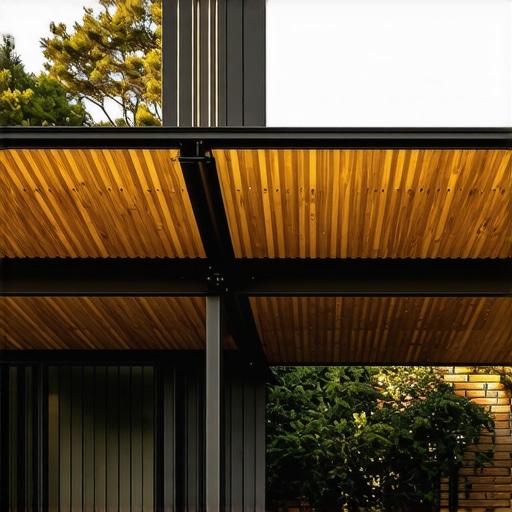
Why Alumawood Beats Wood for a Low-Maintenance Patio Roof
When homeowners envision their dream backyard, the image often includes a sprawling, sun-drenched space perfect for hosting summer barbecues or enjoying a quiet morning coffee. For decades, the gold standard for achieving this aesthetic was natural timber. There is an undeniable warmth to real wood, a rustic charm that feels deeply connected to nature. However, as many homeowners eventually discover, that beauty often comes with a hidden price tag: the “maintenance trap.” As an expert in Alumawood, custom cedar, and insulated roof systems, I have seen firsthand how the initial excitement of a new wood structure can fade as the reality of scraping, staining, and repairing sets in. My name is Brian Sonnier, and my mission is to help you build an outdoor living space that enhances your lifestyle rather than adding to your weekend “to-do” list. By choosing modern materials, we can create structures that not only look stunning but also drop patio temperatures by 15-20 degrees, making your backyard a year-round sanctuary.
The Aesthetic Appeal vs. The Reality of Wood
The allure of a natural wood patio renovation is easy to understand. Materials like Western Red Cedar or the incredibly dense, luxurious Ipe offer a premium look that has defined high-end outdoor design for generations. When freshly installed, a wood patio cover smells like the forest and features intricate grain patterns that are unique to every board. However, the biological reality of wood is that it is an organic material in a state of constant change. From the moment the last nail is driven, the elements – UV rays, moisture, and temperature fluctuations – begin their relentless assault.
In many climates, wood is susceptible to “checking,” which refers to the small cracks that run along the grain as the wood dries out and shrinks. Over time, these cracks can widen, allowing moisture to seep deep into the core of the timber, leading to internal rot. Furthermore, wood is a food source for termites and carpenter ants. Even the most resilient species require significant upkeep. To keep a wood structure looking its best and to prevent structural failure, it must be stained and sealed every one to three years. If you skip this critical step, the vibrant reds and browns of the wood will quickly fade to a dull, weathered gray. For more information on how to tell if your timber is still protected, check out our guide on Sealing 2026 Wood Decks: The Water-Bead Test. While some homeowners appreciate the silvered look of weathered wood, most find that the loss of structural integrity and the risk of splinters make the maintenance-free alternative far more attractive.
Furthermore, the labor involved in maintaining wood is intensive. It requires pressure washing, sanding down old finishes, and carefully applying new coats of UV-resistant sealant. For a large patio and pergola structure, this process can take several days and cost hundreds of dollars in materials – or thousands if you hire professionals. This is why many are looking toward Modern 2026 Fence Ideas and patio designs that utilize materials capable of mimicking the look of wood without the biological baggage.
What is Alumawood? The Modern Alternative
If you love the look of wood but loathe the maintenance, Alumawood is the solution the industry has been waiting for. This material is not just “metal sheeting”; it is a sophisticated, embossed aluminum product designed specifically for outdoor living structures. The manufacturing process involves taking high-quality aluminum and embossing it with a deep, realistic wood-grain texture. It is then finished with a high-performance coating – often referred to as Aluma-Shield – which is baked on to ensure it never peels, flakes, or fades.
When you work with professional deck and patio builders, they can use Alumawood to create a variety of structures, from open-lattice pergolas to solid-roof covers. Because it is made of aluminum, it is entirely impervious to the issues that plague timber. It does not burn, which is a significant safety advantage for homes in wildfire-prone areas. It does not rot, even in the most humid environments, and it is completely unappealing to termites and other wood-boring pests. This makes it an ideal choice for a patio roof that needs to withstand the test of time without requiring a single gallon of stain.
Beyond its durability, Alumawood is incredibly lightweight yet structurally sound. This allows for longer spans between posts compared to some wood species, which can help in 3 Small Backyard Layouts That Actually Feel Spacious by reducing the number of vertical obstructions in your line of sight. It provides the architectural “heft” and aesthetic warmth of a traditional timber frame but with the engineering precision of modern metallurgy.
Cost Analysis: Upfront Price vs. Long-Term ROI
When planning a patio construction project, budget is always a primary concern. It is important to look beyond the initial quote and consider the total cost of ownership over the next twenty years. Traditional wood patio covers typically range from $10 to $25 per square foot for the initial installation, depending on the wood species and the complexity of the design. Alumawood, by comparison, usually falls between $15 and $30 per square foot. At first glance, wood appears to be the more economical choice.
However, the “Maintenance Gap” quickly flips this narrative. A wood patio cover requires an annual upkeep budget of approximately $500 to $800 when you factor in high-quality stains, cleaning agents, and the value of your time (or the cost of a contractor). In contrast, Alumawood requires nothing more than an occasional rinse with a garden hose to remove dust or pollen. When you calculate these recurring costs, the “break-even” point for Alumawood usually occurs within 5 to 7 years.
If you look at a 20-year horizon, the financial benefits are staggering. Over two decades, a wood patio cover could easily cost you an additional $10,000 to $16,000 in maintenance alone, not including the potential cost of replacing rotted beams or insect-damaged posts. When you add it all up, Alumawood is approximately 70% cheaper to own over its lifespan. This is a similar logic used by homeowners who invest in a higher Trex decking installation cost; you pay a bit more today to save thousands – and hundreds of hours of labor – tomorrow. Investing in low-maintenance materials is one of the smartest ways to ensure your patio renovation adds real value to your home without becoming a liability.
Climate Performance: Beating the Heat
One of the most significant advantages of Alumawood, particularly in the hot climates where I specialize, is its thermal performance. A standard wood roof or a simple non-insulated metal sheet can actually trap heat underneath, making the space uncomfortable during the peak of summer. However, Alumawood offers advanced insulated roof systems that are a game-changer for any enclosed patio or outdoor kitchen.
These insulated panels consist of a high-density foam core sandwiched between two layers of structural aluminum. This design creates a thermal break that prevents the sun’s radiant heat from transferring through the roof and down onto your patio. In my experience, these systems can drop the temperature of your outdoor living area by 15 to 20 degrees compared to the ambient temperature under a standard patio roof. This temperature difference is often the deciding factor between a patio that sits empty all summer and one that becomes the favorite “room” in the house.
Furthermore, because these panels are solid and insulated, they provide excellent sound dampening. During a heavy rainstorm, a traditional metal roof can be deafeningly loud. An insulated Alumawood system absorbs the sound, creating a peaceful environment where you can still hold a conversation or listen to music while the rain falls. This level of climate control and comfort is simply not achievable with a standard wood pergola or a basic shingled roof.
Durability: Termites, Rot, and the Elements
Durability is where Alumawood truly leaves wood in the dust. In many regions, the soil is home to subterranean termites that can find their way into wood posts in a matter of months. Even if you use pressure-treated lumber, the chemicals eventually leach out, leaving the wood vulnerable. Alumawood is inorganic; it offers no nutritional value to pests, ensuring your structure remains structurally sound for decades without the need for toxic chemical treatments.
Environmental factors also play a role in how materials age. For instance, extreme cold followed by a quick thaw can cause materials to expand and contract at different rates. We see this often with masonry, as discussed in Why Your Patio Pavers Are Cracking After One Winter. Wood is particularly susceptible to this cycle, as moisture trapped in the grain freezes and expands, causing the wood fibers to pull apart. Alumawood’s Aluma-Shield finish is designed to expand and contract with the metal, preventing the cracking or peeling that you see with painted wood. It is also highly resistant to salt spray, making it an excellent choice for coastal properties where the salt air can quickly corrode other materials.
The resilience of the finish also means that your patio cover will maintain its “just-installed” look for much longer. While wood begins to gray and “check” within the first year, Alumawood stays vibrant. This long-term aesthetic stability is a major reason why professional patio contractors increasingly recommend aluminum systems to clients who want a high-end look that lasts.
Customization and Design Versatility
A common misconception is that choosing aluminum means sacrificing design flexibility. In reality, modern Alumawood systems offer a wide array of customization options. You can choose between a “Lattice” style, which mimics the look of a traditional pergola and allows for filtered sunlight, or a “Solid” roof for maximum shade and weather protection. Many homeowners choose a combination of both to create different “zones” within their outdoor space.
Color options have also expanded significantly. Beyond the standard whites and beiges, you can now find deep charcoals, rich browns, and slate grays that complement modern architectural styles. Deck and patio builders can also integrate features like recessed LED lighting, ceiling fans, and even outdoor speakers directly into the Alumawood structure, with all the wiring hidden inside the hollow beams and rafters for a clean, professional finish. This versatility allows you to create a space that feels like a seamless extension of your home’s interior. You can even use landscaping techniques, such as learning How to Hide Ugly AC Units and Trash Cans With Plants, to further refine the perimeter of your new, sleek Alumawood structure, ensuring the entire backyard looks cohesive and intentional.
Conclusion: Making the Smart Choice for Your Backyard
Choosing the right material for your patio cover is a decision that will impact your home’s value and your personal leisure time for years to come. While the traditional beauty of wood is undeniable, the long-term maintenance requirements, susceptibility to pests, and lack of thermal protection make it a challenging choice for the modern homeowner. Alumawood offers the perfect compromise: the timeless look of wood-grain texture combined with the indestructible nature of high-grade aluminum.
By investing in an Alumawood system, you are choosing a structure that will save you thousands of dollars in maintenance, provide a significantly cooler environment during the summer heat, and maintain its beauty for decades. When you are ready to transform your backyard, be sure to contact patio contractors who specialize in high-performance, low-maintenance materials. At Urban Landscaping X, we pride ourselves on building structures that stand the test of time.
Ready to start your project? Call Brian Sonnier 24/7: (281) 773-1255.