
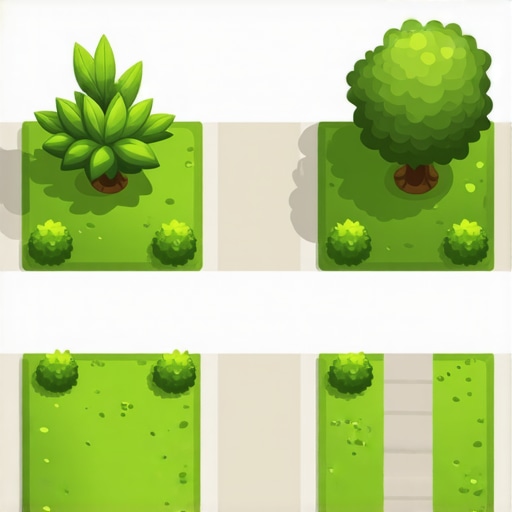
Small front yards are not just scaled-down versions of larger estates; they are unique thermal and biological environments that require tighter tolerances and better engineering. In a confined space, every mistake is magnified. Whether it is a drainage issue that floods your foundation or a plant choice that outgrows its footprint in two seasons, small-space landscaping requires a ground-up build approach where the unseen infrastructure matters more than the surface aesthetics.
The Foundation: Why Soil Grading and Drainage Dictate Longevity
Low-maintenance front yard layouts depend on proper soil grading and sub-surface drainage to prevent water accumulation near the foundation. By establishing a 2-percent minimum slope away from the structure and utilizing non-woven geotextile fabrics, you ensure that hardscape elements and plant root systems remain stable for decades without intervention.
I recently got called out to tear up a $30,000 patio that was sinking because the previous contractor ignored the 95-percent Proctor density requirement for the sub-base. They threw down some pavers on a thin layer of sand and called it a day. Within two winters, the freeze-thaw cycle turned that patio into a dangerous, trippy mess. We had to excavate 12 inches of native clay, install a 3/4-inch modified gravel base in 2-inch lifts, and run a plate compactor until the ground felt like concrete. If you skip the base, the finish work is garbage. It will fail. I do not care how pretty the stones are. You cannot build a lasting landscape on a soft foundation.
“A retaining wall doesn’t fail because of the stone; it fails because of the water trapped behind it.” – Hardscape Engineering Axiom
How much modified gravel do I need for a patio base?
To calculate your base material, multiply the square footage by the desired depth in feet (usually 0.5 feet for walkways or 0.8 feet for patios) and divide by 27 to get cubic yards. Always add a 10-percent fudge factor for compaction. In small front yards, a 6-inch compacted base is the absolute minimum for stability.
Layout 1: The Modern Xeriscape (Hardscape Heavy)
The Modern Xeriscape layout utilizes inorganic mulches such as decomposed granite or river rock to eliminate the need for routine yard cleanup and mowing. This layout focuses on drought-tolerant perennials and architectural grasses that thrive in USDA hardiness zones without the need for high-volume irrigation systems.
This is the ultimate layout for the homeowner who hates yard work. We start by stripping the existing turf and checking the soil pH. Most front yards in urban areas are too alkaline because of concrete leaching. We amend with elemental sulfur if needed, then lay down a heavy-duty weed barrier. This isn’t the cheap plastic stuff from a big-box store; we use 4-ounce needle-punched fabric. We then install 3 to 4 inches of Mexican Beach Pebble or crushed basalt. For plants, we stick to ‘Blue Glow’ Agave or ‘Karl Foerster’ Feather Reed Grass. These plants don’t need a haircut every week. They need a deep soak once a month, and that is it. No sod install, no weekly trimming, just clean lines and structural integrity.
| Material | Maintenance Frequency | Initial Cost | Lifespan |
|---|---|---|---|
| Turf Grass (Sod) | Weekly (Mow/Water) | Low | 5 to 10 Years |
| Decomposed Granite | Annually (Top-dress) | Medium | 20+ Years |
| River Rock (Large) | None | High | Lifetime |
| Native Groundcover | Seasonally (Prune) | Medium | 15+ Years |
Layout 2: The Structured Perennial Meadow
The Structured Perennial Meadow uses native plant species and deep-rooting groundcovers to create a self-sustaining ecosystem that suppresses weeds naturally. By utilizing density-based planting, you eliminate the need for bark mulch and reduce the water requirements of the yard after the 12-month establishment period.
Most people make the mistake of spacing plants too far apart, leaving huge gaps for weeds to take over. I tell my crew: if you can see the dirt, you have failed. We plant in ‘drifts’ using a matrix of Carex pensylvanica (Sedge) as a green mulch. Then we punch in ‘feature’ plants like Echinacea or Salvia. The sedge creates a living carpet that keeps the soil cool and moist. This layout requires a yard cleanup once a year in late winter to cut back the dead growth, and that’s it. You are working with biology instead of fighting it. You must ensure the irrigation is set to a drip line system rather than overhead sprays to avoid fungal pathogens on the foliage.
“Soil health is the primary driver of plant immunity; a biologically active soil profile reduces the need for synthetic nitrogen by 40 percent.” – Agricultural Extension Handbook
How do I stop weeds from growing in my small front yard?
Weed suppression is achieved through soil solarization or heavy mulching, followed by high-density planting. By covering the soil surface with either 3 inches of hardwood mulch or a living mulch of groundcovers, you prevent sunlight from reaching weed seeds in the soil bank, effectively neutralizing them.
Layout 3: The Geometric Turf and Stone Border
The Geometric Turf layout combines a small, high-quality sod install with wide stone borders to create a high-contrast look that is easy to edge and maintain. By restricting the turf area to a simple square or circle, you minimize the irrigation footprint and make mowing a five-minute task.
This layout is for people who still want a patch of green but don’t want to spend their Saturday behind a mower. We use a steel edging or a Belgian block border to create a hard stop for the grass. This prevents the grass from creeping into your garden beds. When we do the sod install, we don’t just throw it on the dirt. We till in 2 inches of compost, level it with a landscape rake, and use a water-filled roller to ensure 100-percent root-to-soil contact. If you have air pockets, the roots will dry out and the grass will die in patches. Don’t be the guy with the brown spotted lawn because you were too lazy to use a roller.
- Step 1: Clear all debris and perform a soil test for N-P-K levels.
- Step 2: Install sub-surface drainage (French drains) if the site has standing water.
- Step 3: Set permanent hardscape borders using pavers or steel.
- Step 4: Amend soil with organic matter and level the grade.
- Step 5: Install drip irrigation to the planting zones.
- Step 6: Place plants and sod, ensuring proper root flare exposure for trees.
Proper irrigation is the final piece of the puzzle. In a small space, overspray from traditional sprinklers will rot your siding and stain your walkways. I always insist on a smart controller with a rain sensor. If the soil is already saturated, the last thing you need is more water. Over-watering is the number one killer of small-space landscapes. It causes root rot and leaches nutrients out of the root zone. Get a moisture meter and use it. Your plants will thank you by not dying.