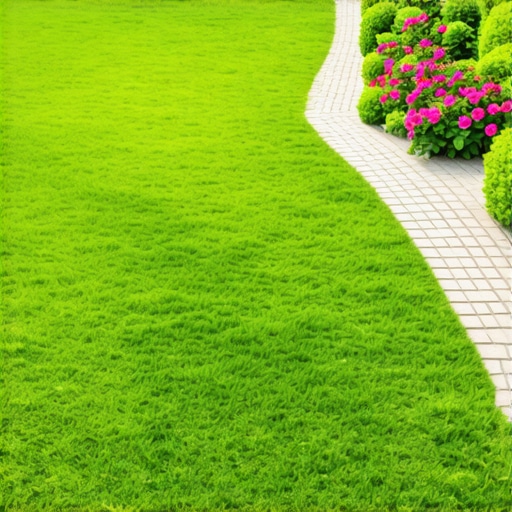
It was a chilly spring morning when I stepped outside, only to be greeted by a muddy mess of overgrown grass and tangled weeds. My heart sank—I realized my yard had become a neglected jungle, and with every passing week, the dream of a pristine garden seemed farther away. That lightbulb moment made me question: what am I doing wrong?
Over the years, I learned that successful yard transformation isn’t just about occasional weed-pulling or tossing down new plants. It’s about strategic, expert-driven efforts that set the foundation for a picture-perfect 2025 garden. Today, I want to share my journey—mistakes, triumphs, and the step-by-step approach that can turn your yard into a stunning oasis.
Why Prioritizing Yard Cleanup and Landscaping Matters Now More Than Ever
In the midst of spring, many of us start fantasizing about lush lawns, vibrant flower beds, and a backyard perfect for family gatherings or peaceful mornings. But without proper preparation, all those dreams can turn sour. I’ve found that neglecting essential yard cleanup tasks can lead to long-term issues like pest infestations, poor grass growth, and even soil erosion.
Did you know that a well-maintained yard not only boosts curb appeal but also increases property value? According to a report from the National Association of Realtors, a beautifully landscaped yard can add up to 10% to your home’s worth—quite the incentive, right?
Getting your yard ready for 2025 doesn’t mean massive overhauls. Instead, it’s about strategic planning—such as efficient irrigation, proper sod installation, and targeted landscaping strategies—that ensure your garden thrives in the long run. I remember prematurely planting new grass without addressing underlying issues, which led to costly mistakes and frustration. Trust me, I’ve been there!
Are you facing similar challenges—overgrown weeds, patchy lawns, or drainage issues? If so, you’re not alone. The good news is that with the right expert advice, you can transform those struggles into a lush, inviting space.
Let’s dive into the essential first steps that will set the stage for a gorgeous yard in 2025. From effective yard cleanup to smart landscaping ideas, I’ll guide you through the proven strategies that have worked wonders for me and countless others. Ready to get started?
Clear the Debris and Overhaul Your Landscape
Begin with a thorough yard cleanup. Rake away leaves, remove dead branches, and pick up debris to eliminate hiding spots for pests. Use a sharp lawnmower to trim overgrown grass, and pull out invasive weeds by hand or with a hoe for precision. This process is like giving your soil a fresh start, setting the stage for healthier growth. Personally, I spent a weekend tackling a jungle-like backyard, which revealed patches of compacted soil and hidden roots—solving those early made planting later much easier. For expert guidance, see Yard Cleanup Strategies.
Assess and Improve Your Irrigation System
Next, evaluate your current watering setup. An efficient irrigation system conserves water and ensures consistent moisture levels. Think of your watering system as a network of blood vessels—if one artery clogs, the whole system suffers. Install or upgrade sprinklers to cover all areas evenly, avoiding dry patches or waterlogging. I once neglected this, leading to uneven grass growth, but after installing zoned sprinklers, my lawn thrived uniformly. For optimal setup, check out Irrigation System Tips.
Choose and Lay Down the Perfect Sod
Once your soil is prepared and your irrigation is ready, focus on sod installation. Think of sod laying as dressing your yard in a lush, green outfit—it needs to be done precisely for the best look and longevity. Clear the area, level the ground, and ensure good soil contact to prevent future issues. I remember struggling with uneven patches until I learned the importance of proper soil prep; the result was a smooth, emerald carpet. For detailed sod installation techniques, visit Sod Install Tips.
Design Landscaping with Longevity in Mind
Lastly, upscale your yard’s appearance through strategic landscaping. Incorporate native plants, create focal points with stones or water features, and plan pathways for accessibility. Think of landscaping as framing a masterpiece—every element should complement and enhance your yard’s beauty. I experimented with layering plants of different heights, which added depth and visual interest. Remember, a well-designed landscape reduces future maintenance and boosts curb appeal. For expert landscaping ideas, check out Landscaping Strategies 2025.
Myth: All Yard Cleanup Is the Same
Many believe that a quick rake and mow suffice for a successful yard transformation, but in reality, a superficial cleanup often overlooks critical issues like soil compaction, nutrient deficiencies, or hidden pests. Proper yard cleanup involves a comprehensive approach, including aeration, soil testing, and targeted pruning, which lay the groundwork for thriving plants and lush lawns. Failing to address these nuances can lead to recurring problems, wasting time and money. For more in-depth strategies, check out top yard cleanup tips.Maintaining a beautiful yard requires not just the right equipment but also a consistent approach to upkeep. Over the years, I’ve honed a set of tools and routines that ensure my landscaping remains vibrant and healthy, season after season. Let me share some of the specialized tools I rely on and the tips for keeping them in top shape, so your yard continues to impress well into the future.
Investing in Quality Equipment for Reliable Results
One of my go-to investments has been a high-quality cordless electric lawn mower. Unlike gas-powered models, my cordless mower is quieter, easier to start, and requires less maintenance. I particularly appreciate models with brushless motors, like the Ego Power+ LM2142SP, which offer longer battery life and durability. Regularly cleaning the blades with a sharpening kit, such as the Oregon 88-026, ensures a clean cut and promotes healthy grass growth. Using precise tools minimizes damage over time and keeps your yard looking pristine.
Maintaining Irrigation Systems for Consistent Hydration
An efficient irrigation system is the backbone of a lush lawn. I recommend annual system audits to check for leaks, clogged sprinklers, or unbalanced coverage. For this, I use a digital pressure gauge, which helps me identify pressure drops that signal blockages or leaks. Upgrading to smart controllers, like the Rachio 3, allows for scheduling adjustments based on weather forecasts, saving water and time. Regularly inspecting and updating your system ensures your grass receives even watering without wastage. For detailed guidance, see irrigation strategies for a lush lawn.
Long-Term Sod Care: Tools and Techniques
To keep new sod alive and thriving, I highly recommend a soil moisture meter, such as the Luster Leaf 1820. This device provides real-time feedback on soil moisture levels, helping you avoid over- or under-watering. Additionally, a robust sod aerator, like the Agri-Fab 45-0299, helps alleviate soil compaction and encourages healthy root development. Remember, proper maintenance extends beyond installation—regular mowing at the recommended height, paired with fertilization based on soil tests, ensures your sod remains dense and vibrant. You can explore more about sod care here.—and don’t forget to try out the tip of checking soil moisture regularly to optimize watering routines.
Designing for Longevity and Ease of Maintenance
Smart landscaping choices yield enduring beauty with less effort. Incorporate native plants that thrive in your climate, reducing pest problems and watering needs. Installing drip irrigation lines beneath mulch beds can drastically cut down on evaporation and weed growth. To streamline maintenance, consider modular landscape edging systems, which are easy to install and replace when needed. In the future, automation will become even more advanced—think AI-powered landscape monitors that alert you to issues before they become problems, based on sensor data. This trend points toward smarter, more efficient yard care solutions that adapt to changing conditions.
How do I keep my irrigation system working long-term?
Developing a routine maintenance schedule is key. Start by inspecting your sprinklers monthly to remove debris and ensure proper spray patterns. Winterizing your system with compressed air prevents freeze damage, especially in colder climates. Periodic professional tune-ups can pinpoint hidden issues, saving you costly repairs later. Remember, consistent care not only prolongs the lifespan of your irrigation infrastructure but also guarantees your yard remains lush and healthy year-round. I challenge you to try upgrading to a smart controller this season—it’s a game-changer for efficient, hands-off watering, paving the way for a gorgeous, thriving landscape in 2025.
What the Yard Keeps Showing Me About Real Progress
Sometimes, the most valuable lessons come from unexpected places—in my case, a stubborn patch of weeds that refused to die reminded me that true transformation requires patience and persistence. I learned that quick fixes are tempting but often lead to recurring issues, reinforcing the importance of a strategic, long-term approach—like investing in top-notch irrigation or understanding soil health through expert advice. Those small yet vital insights gradually built my dream garden, proving that consistent effort rooted in knowledge is the secret to lasting beauty.
Tools and Resources That Made a Difference
Over the years, I discovered that the right equipment and knowledge are game-changers. My cordless electric mower from Ego Power+ offers quiet, reliable performance—making lawn maintenance feel less like a chore. Soil testing kits like the Luster Leaf 1820 provided clarity on nutrient deficiencies, steering my fertilization in the right direction. Additionally, investing in a smart irrigation controller such as Rachio 3 allowed me to tailor watering schedules efficiently, saving water and ensuring my plants thrived. These tools, combined with expert advice from trusted sources like top irrigation tips, transformed my approach to yard care.
The Power of Consistent Care and Learning
Initially, I believed that one good yard cleanup would set everything right—that was a misconception. Instead, I realized that maintaining a lush, healthy garden requires ongoing attention—regular aeration, soil testing, pruning, and adjusting watering routines. Embracing a mindset of continuous learning, I stayed curious about new techniques and technologies, which kept my yard evolving beautifully. This journey taught me that patience, combined with a willingness to adapt and invest in quality tools, is what truly turns a neglected space into an oasis that you can enjoy for years to come.