
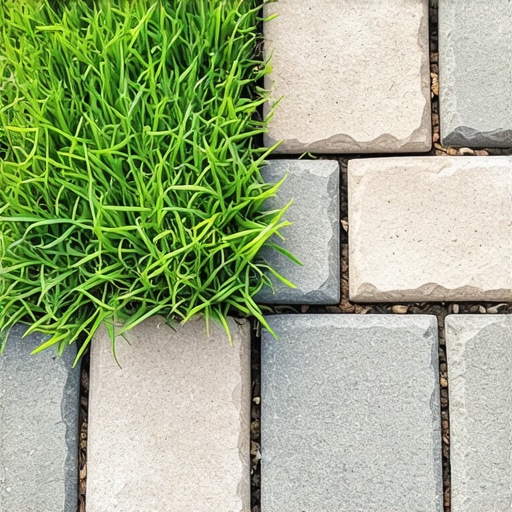
The Simple Reason Your Sharp Lawn Edges Disappear After Two Weeks
There is a specific kind of satisfaction that comes with a freshly manicured yard. You’ve spent your Saturday morning perfecting the perimeter, and for a few days, your property looks like a professional golf course. But then, almost like clockwork, that sharper edge landscaping look begins to soften. By day ten, it’s fuzzy. By day fourteen, the crisp line has vanished entirely, replaced by a ragged, encroaching mess of turf. Why does it happen so fast? For many homeowners in Reeds Spring and Branson West, the frustration is real. As someone who has spent decades in the industry, my mission – and the mission of Dennis Evans – is to elevate landscaping from a mere chore into a respected, sustainable career path by focusing on the science and quality that drive long-term property value. The “simple reason” your edges disappear isn’t just one thing; it’s a combination of heat desiccation and mechanical neglect.
Data consistently shows that homeowners observe a significant loss in edge definition within exactly 14 days of service. This isn’t a coincidence; it’s a biological and mechanical reality. To maintain sharp lawns, one must understand that the edge of your lawn is the most vulnerable part of your entire ecosystem. When we provide professional lawn care services, we aren’t just cutting grass; we are managing a complex boundary where biology meets infrastructure.
Understanding the “Edge Effect”: Why Your Grass Retreats
The primary scientific driver behind the disappearing edge is a phenomenon known in the industry as the “Edge Effect,” specifically related to heat desiccation. Your driveway, sidewalk, and curb are essentially massive heat sinks. During a typical Missouri summer, concrete and asphalt can reach temperatures significantly higher than the surrounding air. This heat is transferred directly to the soil immediately adjacent to the hardscape.
This localized “heat evaporation” causes the moisture in the soil at the very edge of your lawn to vanish much faster than the moisture in the center of the yard. As the soil dries out, the grass plants at the perimeter enter a state of stress. They begin to shrink, and in many cases, the blades will actually “retreat” or brown out as the plant pulls resources back to its core to survive. This is often Why 2026 Sod Edges Turn Brown First; the lack of thermal protection at the boundary makes the edge the first point of failure.
Furthermore, because the soil at the edge is often more compacted due to foot traffic or the weight of edging equipment, it loses its ability to hold water. When the grass at the edge dies back even a fraction of an inch, the “sharp” visual line created by your edger is lost. The gap between the grass and the concrete becomes a vacuum for dust, debris, and opportunistic weeds, further eroding the sharper edge landscaping aesthetic you worked so hard to achieve. To maintain a sharp lawn, you have to combat this localized desertification through precision hydration and soil management.
The Mechanical Culprit: Why Your Equipment is Failing You
If the heat doesn’t get your edges, your equipment might. Many landscaping services and DIY homeowners struggle because they overlook the physics of the mower deck. A mower doesn’t just cut grass with a blade; it uses a high-velocity vortex of air to lift the grass blades upright before the cutting edge passes over them. This is known as the “lifting edge” of the mower blade.
When you are mowing along a hard edge, the mower is frequently sucking up “dust and grit” from the pavement or the exposed soil of the edge. This abrasive material acts like sandpaper, rapidly wearing down the lift-generating “sails” on the back of your mower blades. Once these sails are worn, the mower loses its ability to create enough lift. Instead of standing the grass up for a clean, vertical cut, the mower pushes the grass down or simply passes over it. This results in uncut “straggler” blades that lean over the edge of the sidewalk, immediately ruining the look of sharp edge landscaping.
At our professional lawn care services, we inspect blades daily because we know that even a slightly dull or worn lifting edge will result in a sub-par finish. If your equipment isn’t maintained to handle the grit of the Ozarks, you’ll never achieve that high end landscaping look that lasts more than a few days. The grit doesn’t just dull the sharpness; it destroys the aerodynamics required for precision.
Frequency vs. Perfection: The 14-Day Rule
Expert-backed industry data suggests that for a truly sharp lawn, hard edges must be maintained every 7 to 14 days during the peak growing season. This is the “14-Day Rule.” In the fertile soils of the Midwest, grass can grow several inches in a two-week span. More importantly, many turf varieties, such as Kentucky Bluegrass or Fescue blends common in our area, have a tendency to “flop” or lean once they reach a certain height.
When you wait longer than two weeks to edge, the “lip” of the turf begins to overgrow the hardscape. The grass doesn’t just grow up; it grows out. If you allow this overgrowth to persist, the next time you edge, you are forced to cut back a massive amount of accumulated biomass. This often exposes the “crown” or the brownish, non-photosynthetic part of the grass plant. Instead of a green, sharper edge landscaping finish, you are left with a brown, ragged scar along your driveway. Maintaining the edge frequently prevents this “scalping” effect. For those dealing with new installations, following 3 Tips for 2026 Sod Success in Clay Soil can help establish a root system deep enough to withstand frequent mechanical edging without stress.
Professional Techniques for a Sharp Lawn in Reeds Spring and Branson West
Achieving high end landscaping results in Reeds Spring, Branson West, and Lampe requires more than just a standard string trimmer. While a string trimmer is a versatile tool, it is often used incorrectly for edging. Most people hold the trimmer at an angle, which creates a “beveled” edge. This bevel actually encourages more weed growth and makes the grass more susceptible to the heat desiccation mentioned earlier.
The professional standard for sharper edge landscaping is the “vertical cut.” This is best achieved with a dedicated mechanical edger featuring a vertical steel blade. This tool cuts a clean, 90-degree trench between the turf and the hardscape. This trench serves two purposes:
- It creates a visual shadow line that defines the sharp lawn.
- It provides a physical break that prevents the grass roots (rhizomes and stolons) from creeping onto the sidewalk.
In the unique climate of the Ozarks, where humidity can cause rapid fungal growth and heat can bake the soil, this vertical cut allows for better airflow at the edge of the turf, reducing the risk of disease. Whether you are looking for lawncare and snow removal or comprehensive landscape design services, the technique used at the boundary of your lawn is the clearest indicator of professional quality.
Hardscaping and Landscaping: The Permanent Solution
Sometimes, the “simple reason” your edges disappear is that you are fighting a losing battle against physics. If your lawn is on a slope or if your soil is particularly prone to erosion, a simple cut edge will never stay sharp. This is where hardscaping and landscaping intersect to provide a permanent solution. Installing a physical border – such as Belgian block, pavers, or stacked stone – creates a definitive barrier that the grass cannot easily bypass.
These borders act as a buffer, protecting the grass from the intense heat of the concrete driveway. However, even these professional installs require maintenance. We often see issues with shifting borders in our region due to the freeze-thaw cycle. If you notice your borders moving, you might look into Fixing 2026 Loose Paver Edges with Concrete Spikes to ensure the line stays true. For those on a budget, there are several 5 Budget Hardscaping Ideas for Sloped Yards [2026] that can provide that sharper edge landscaping look without the cost of a full masonry wall. A well-placed border not only keeps the lawn in check but also adds significant “curb appeal” and value to your property.
Maintenance Beyond the Blade: Hydration and Soil Health
A sharp lawn is a healthy lawn. Because the edge is the first place to dry out, it requires targeted hydration that the rest of the yard might not need. Standard sprinkler heads often “overshoot” the edge to avoid wasting water on the sidewalk, but this leaves the most heat-stressed part of your lawn parched. Hand-watering the perimeter or adjusting your irrigation system to ensure the edges get a “soaking” rather than a “sprinkling” can make a world of difference.
If you use drip irrigation for your perimeter beds, ensure the system is functioning at peak efficiency. We frequently find that mineral deposits in our local water can lead to issues; Fixing 2026 Clogged Drip Lines with Air Pressure is a common maintenance task that can save your edges from summer burnout. Additionally, avoiding soil compaction is vital. When edging manually, avoid standing directly on the edge of the turf, which crushes the soil structure. Using a simple wooden board to distribute your weight can prevent the “trenching” that often occurs in soft, wet soil, keeping your sharper edge landscaping intact and healthy.
Conclusion: Elevating Your Curb Appeal
The secret to sharp lawns isn’t a mystery; it’s a commitment to understanding the biology of your grass and the mechanics of your tools. A “sharp edge” isn’t just about the cut you make today; it’s about managing the heat of the concrete, the frequency of your maintenance, and the health of the soil at the boundary. By addressing the “simple reason” of heat desiccation and mechanical wear, you can maintain that high end landscaping look all season long.
At the end of the day, landscaping is about more than just cutting grass – it’s about craftsmanship and property stewardship. My goal, and the goal of our team, is to help make landscaping a respected, sustainable industry where people can build real careers and businesses can thrive beyond their founders. Whether you are in Reeds Spring, Branson West, or Lampe, investing in quality landscaping services is an investment in your home’s future and the professionalization of an industry we love.
– Dennis Evans
Building teams, careers, and partnerships to elevate the landscaping industry.