
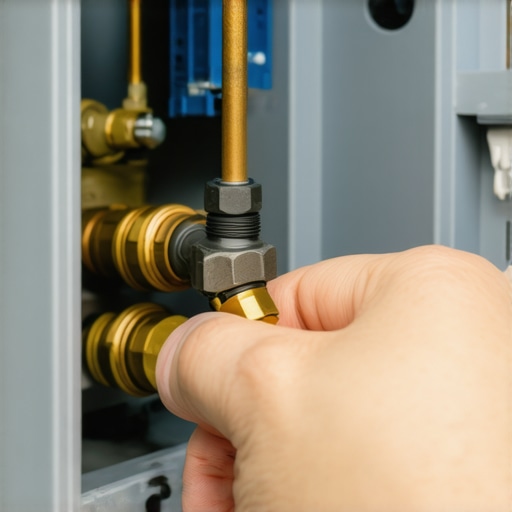
The Forensic Autopsy of a Sizzling Solenoid
To fix a sizzling sprinkler solenoid, you must identify electrical resistance failures within the coil using the buzz test and a multimeter. If the solenoid hums but fails to lift the plunger, the issue typically stems from sediment buildup, low voltage, or a burnt-out electromagnetic coil.
When you walk onto a job site and hear that distinct, high-pitched electrical chatter coming from an irrigation valve box, you are listening to the death rattle of a 24-volt AC component. It is a specific sound, often mistaken for a leak, but it is actually the electromagnetic coil vibrating at 60 cycles per second as it struggles to generate enough magnetic force to lift the internal plunger. This sizzle is not just a nuisance; it is an indicator of heat. Heat kills irrigation systems. If that solenoid stays energized while stuck, the internal copper windings will eventually melt their insulation, leading to a dead short that can fry the station output on a $600 smart controller. I have seen it happen a hundred times. Homeowners think they can just ignore it, but by the time the grass starts browning, the damage has migrated from a $20 part to a multi-hundred-dollar repair. This is where we perform a forensic autopsy of the system to find the root cause before we even think about digging.
The Apprentice Lesson: Why Diagnostics Matter
I always drill into my new crew members: if you don’t fix the soil grading and the electrical integrity first, every plant you put in the ground is just expensive compost. I remember an apprentice named Miller who thought he could save time by just swapping every solenoid in a ten-zone system because the ‘controller looked old.’ He spent four hours in the mud and the system still didn’t fire. Why? Because the issue wasn’t the solenoids; it was a corroded common wire three feet underground that had a high-resistance bridge. He didn’t use his multimeter. He didn’t perform the buzz test. He just threw parts at a problem. In this business, we use measurements, not guesses. We look at ohms, we look at PSI, and we look at voltage drop. If you aren’t testing, you aren’t a landscaper; you are just a guy with a shovel and an expensive hobby. We are here to ensure the sod install we just finished doesn’t turn into a hay field because a $2 piece of plastic got stuck in a diaphragm.
“Proper electrical grounding and surge protection are the primary defenses against solenoid coil insulation breakdown.” – Irrigation Association Technical Manual
The Science of the Electromagnetic Buzz
The buzz test is a diagnostic procedure where you manually activate a zone and listen for the physical vibration of the solenoid plunger hitting the top of the coil housing. If the solenoid is ‘sizzling’ or humming loudly without the valve opening, it means the magnetic field is too weak to overcome the spring tension or the hydrostatic pressure holding the plunger down. This can be caused by a drop in voltage, often due to thin 18-gauge wire runs that are too long for the power supply. In a standard 24VAC system, you should be seeing between 22 and 28 volts at the valve. Anything less, and the solenoid will chatter. This chatter causes friction, friction causes heat, and heat causes the solenoid casing to expand and eventually crack. Once moisture enters that casing, the coil is toast. We are looking for a solid ‘click,’ not a buzz. A buzz is a cry for help.
How much resistance should a 24V sprinkler solenoid have?
A healthy irrigation solenoid should typically read between 20 and 60 ohms of resistance when tested with a multimeter. If the reading is below 20 ohms, the coil is partially shorted and drawing too much current, which will eventually damage the controller. If the reading is ‘Open’ or ‘OL,’ the internal wire has snapped, and the circuit is broken. Always test at the valve first, then test at the controller. If the readings differ significantly, the problem is in the underground wire run, not the component itself. This is a critical distinction that saves hours of unnecessary yard cleanup and excavation.
Why is my sprinkler solenoid humming but not opening?
A humming solenoid indicates that the electrical circuit is complete but the mechanical movement is restricted by debris or low pressure. Common culprits include a grain of sand trapped in the plunger tube or a torn rubber diaphragm that is creating a pressure imbalance. In many cases, the solenoid is fine, but the tiny bleed port inside the valve is clogged with algae or mineral deposits. You must disassemble the valve body, flush the lines, and ensure the plunger moves freely. Do not use grease or oil on these parts; they are designed to be lubricated by water only. Petroleum products will swell the rubber seals and ruin the valve.
“A solenoid drawing more than 0.5 amps is indicative of a short circuit that will eventually damage the controller’s terminal port.” – Agronomy Infrastructure Standard
Step-by-Step Solenoid Remediation
The process of fixing a sizzling solenoid requires a methodical approach to avoid wasting time. Don’t just start unscrewing things. Check the controller output first. If the controller isn’t sending a clean 24 volts, the solenoid will never work. Once voltage is confirmed, move to the valve box. Here is the professional checklist for a solenoid failure.
- Confirm 24V AC at the controller terminal for the specific zone.
- Locate the valve box and perform the ‘Buzz Test’ by listening for chatter.
- Disconnect the wire nuts and measure the Ohms across the solenoid leads.
- Inspect the waterproof wire connectors (look for 3M DBR/Y-6 kits).
- Check for ‘solenoid slime,’ a black goo that leaks from failing coils.
- Unscrew the solenoid and inspect the plunger for mineral scaling.
- Flush the valve port by briefly turning on the water with the solenoid removed.
- Replace the solenoid if resistance is outside the 20-60 ohm range.
While the internet tells you to water every day, turf grass actually needs deep, infrequent watering exactly 1 inch per week to force roots to chase the water down. If your solenoids are failing and you are missing cycles, you are shallow-watering by default. This leads to weak root systems and makes your lawn susceptible to grubs and heat stress. A broken irrigation system is the number one cause of failed sod installs. You can spend $5,000 on the best Kentucky Bluegrass, but if your solenoids are sizzling and the valves aren’t opening, you’ve just bought the world’s most expensive brown carpet. Proper maintenance of these small electrical components is the difference between a professional landscape and a yard cleanup nightmare. Check your valves every spring. Listen for the buzz. If it sounds like a frying pan, it’s time to get to work. It will rot if you don’t. Don’t skip the multimeter check. It is the only way to be sure of the circuit’s health.