
The Invisible Murderers in Your Garden Pond
To clean a biological pond filter without killing your ecosystem, you must never allow chlorinated tap water to touch your filter media, as chlorine instantly sterilizes the beneficial nitrifying bacteria that keep your pond water clear and your fish alive. This fundamental rule of aquatic management separates professional water feature contractors from backyard amateurs who wonder why their water turns pea-green forty-eight hours after a cleanup.
I always drill into my new crew members: if you don’t fix the soil grading and water chemistry first, every plant or biological system you put in the ground is just expensive compost. Just last season, we were called to a property where a client had spent thousands on high-end aquatic plants and Japanese koi, only to have the entire ecosystem collapse in a weekend. They had pulled their filter pads out and sprayed them clean with a high-pressure garden hose connected straight to the municipal water supply. By washing away the brown muck with chlorinated tap water, they sterilized the bio-filtration system. Within two days, ammonia levels spiked to lethal levels, and the pond turned into an absolute biological graveyard. That is the cost of ignoring basic biology.
“Nitrifying bacteria populations (Nitrosomonas and Nitrobacter) are highly sensitive to chemical sanitizers. Introducing chlorinated municipal water to active biological filtration media destroys these colonies on contact, forcing the aquatic ecosystem to restart its nitrogen cycle from scratch.” – Aquatic Agronomy & Limnology Manual
How Does Chlorine Destroy Pond Filtration?
Your pond filter is not just a physical strainer; it is an active biological reactor. The plastic bio-balls, ceramic rings, and coarse foam pads inside your canister are there to provide surface area for millions of beneficial bacteria. These microbes digest toxic ammonia excreted by fish and decaying organic waste, converting it first into nitrites, and then into harmless nitrates. When you rinse these pads with chlorinated tap water, the chlorine acts exactly as it does in a swimming pool: it kills every single living organism. Once those bacteria are dead, ammonia builds up rapidly. The water turns cloudy. Algae blooms take over. Your biological system is ruined.
The Correct Way to Rinse Bio-Media
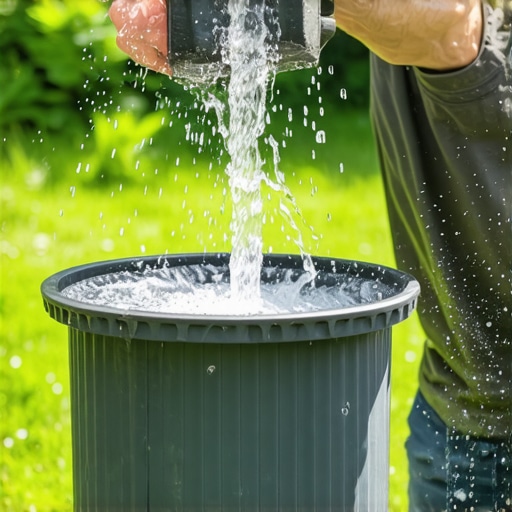
To clean your filter without triggering a biological crash, you must use water drawn directly from the pond itself. Here is the step-by-step procedure my crews use on every maintenance site. First, shut down the pump to isolate the filtration canister. Second, siphon about five to ten gallons of pond water into a clean five-gallon bucket. Never use a bucket that has held household detergents or weed killers. Third, remove the biological media from the canister and submerge it in the bucket of pond water. Gently agitate and squeeze the foam pads to release the heavy sludge. The goal is to remove the physical debris blocking the water flow, not to make the media look brand new. It should still look dirty because that “dirty” film is actually the living biofilm your pond relies on. Once rinsed, immediately place the media back in the canister and restart the pump. Throw the dirty bucket water onto your nearby garden beds. It is packed with organic nitrogen and makes an incredible fertilizer for your shrubs.
| Filter Component | Cleaning Frequency | Rinse Liquid | Action Required |
|---|---|---|---|
| Mechanical Foam Pads | Every 2-4 weeks | Pond Water Only | Squeeze gently to remove heavy muck |
| Biological Bio-Balls | Once per season | Pond Water Only | Swish in bucket to dislodge loose silt |
| UV Clarifier Sleeve | Every 6 months | Vinegar / Clean Water | Wipe off mineral scale and lime buildup |
What Is the No-Chlorine Rinse Rule?
The No-Chlorine Rinse Rule dictates that no municipal tap water may touch biological filter media unless it has been treated with a sodium thiosulfate-based dechlorinator. Even a brief ten-second rinse under a garden hose can destroy up to ninety-nine percent of the active bacterial colony. If you must use tap water for rinsing because your pond is too low, you must fill a bucket, dose it with a heavy concentration of water conditioner, stir it thoroughly, and only then submerge your filter pads. There are no shortcuts here.
How Do I Clean My Pond Filter Without Killing the Bacteria?
To clean your pond filter without killing the bacteria, always use pond water to rinse the pads, clean only half of the biological media at a given time, and add a concentrated dose of liquid beneficial bacteria directly to the filter chamber immediately after reassembly. This technique ensures that even if you disturb a portion of the colony, the remaining bacteria can rapidly repopulate the media. Spacing out your cleanings also prevents shocking the system. Never scrub the bio-balls; simply swish them in your bucket of pond water to remove clogging silt.
Re-establishing the Nitrogen Cycle After a Muck-Out
If you have already made the mistake of rinsing your filter with tap water, you must treat the system as a brand-new pond startup. You will need to add commercial nitrifying bacteria daily for at least a week to kickstart the biological colonizing process. Cut back on feeding your fish during this recovery window. Less food means less waste, which keeps ammonia levels manageable while the bacteria rebuild their colonies. Monitor your water parameters daily using a liquid drop test kit. If you see ammonia levels rise above 0.25 parts per million, perform a partial water change immediately, making sure to use a high-quality water dechlorinator for the fresh water you add.
“Hydrostatic pressure from poor surrounding yard drainage can force sediment-laden runoff into garden ponds, overwhelming biological filters with silt and organic debris.” – Hardscape Engineering Axiom
Always inspect the physical grading around your pond. If your lawn slopes toward the water, heavy rains will wash fertilizers, soil, and grass clippings straight into your pond, overloading your filter within hours. This is why proper yard cleanup and grading are critical. Build a small berm or installation of French drains upslope from the water feature to divert groundwater away from the pond edge. This keeps your pond water clean and prevents your filters from clogging prematurely.
A Complete Pond Filter Maintenance Checklist
- Always unplug the pump and UV clarifier before opening the filter canister to prevent electrical shock or equipment damage.
- Siphon pond water into clean buckets specifically reserved for pond maintenance.
- Never use chemical soap, bleach, or household detergents on any part of the filter.
- Gently rinse foam pads in the pond-water bucket, leaving the active biofilm intact.
- Clean the quartz sleeve of the UV clarifier with vinegar to remove hard water scale.
- Check all O-rings and gaskets for cracks, and lubricate them with silicone grease.
- Reassemble the unit, restart the pump, and verify that water is flowing smoothly.
- Dose the pond with beneficial liquid bacteria to support the biological recovery.
Clean water is not a matter of luck. It is a matter of biology. Treat your filter media like a living organism, keep the tap hose away from your bio-pads, and your pond will remain crystal clear all season long.