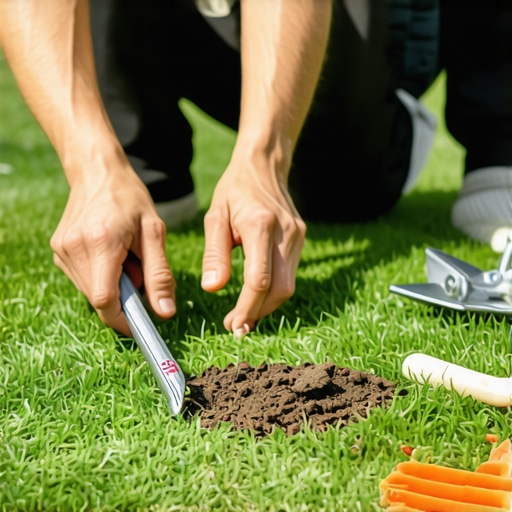
It was a scorching summer day when I finally looked out over my yard and realized my lush new sod was wilting faster than I could say “watering schedule.” I had followed the basic advice, but my grass still looked miserable—patchy, yellow, and stubbornly refusing to root. That lightbulb moment hit me hard: I was missing crucial steps, and my efforts were all for nothing if I didn’t get it right from the start.
Why So Many Lawn Projects Fail Before They Even Start
Ever been there? You invest time, money, and hope into a beautiful lawn, only to watch it struggle or die off. That frustration isn’t just yours—it’s a common story among homeowners and landscapers alike. Understanding the root causes can save you thousands in repairs and replanting. When I first attempted sod installation, I made one classic mistake: I didn’t prepare the soil properly. I overlooked the importance of quality soil testing and nourishment, believing that merely laying the sod would do the trick. It’s a mistake I see all the time, and not just from amateurs—many so-called professionals overlook this vital step. According to a study by the University of California, improper soil preparation accounts for nearly 70% of lawn failure cases. Recognizing this early mistake helped me realize that successful sod growth is less about the grass itself and more about what’s underneath.
So, what’s the secret to ensuring your sod roots deeply and thrives in 2026? In this post, I’ll walk you through a proven 5-step checklist that guarantees your yard becomes the envy of the neighborhood. From soil prep to irrigation, each phase is crucial, and skipping any one of them could be your lawn’s undoing. Trust me, implementing these strategies transformed my yard—and it can do the same for you.
Ready to finally get those roots in the ground the right way? Let’s dive into the first essential step, where I’ll share insights into soil testing and preparation—simple yet often overlooked tactics that make or break your sod’s success.
Start With a Soil Checkup
Before laying down your sod, treat soil testing like a doctor’s exam for your yard—it’s your first step toward health. Use a soil testing kit or hire a professional to determine pH and nutrient levels. When I did this for my yard, I discovered my soil was overly acidic, which could hinder root growth. I added lime based on my results, transforming the soil into a welcoming environment for my new sod. Proper soil prep with the right amendments ensures roots anchor deeply, reducing the risk of patchiness and promoting lush growth. For detailed soil testing techniques, check out this comprehensive guide.
Level and Clear the Site
Clear debris, rocks, and weeds that could obstruct root penetration. Use a rake or carousel tiller if needed. Think of this step as preparing a foundation when building a house—without a level base, everything else can falter. I once skipped this step and faced uneven growth, with patches either drowning in water or drying out too fast. Using a landscaping rake, I smoothed the surface, creating a consistent bed for the sod which made watering more effective and roots more stable. This simple act is where your yard begins its transition from messy to magnificent.
Lay the Sod Correctly
Position pieces tightly like a puzzle—stagger seams, don’t line up joints. Start along the longest straight edge, typically a driveway or sidewalk, and work inward. I remember the first time I gently rolled out sod like wrapping a gift, carefully aligning each piece to avoid gaps. Failing to stagger seams can leave visible lines and weak spots vulnerable to weeds or erosion. Light pressing with a roller ensures good contact between the sod and soil, encouraging immediate root contact. Proper laying is crucial; for a thorough walkthrough, visit this expert advice.
Water Smart and Deep
Deep watering encourages roots to grow downward, anchoring your sod firmly. Aim for at least 1 inch of water within the first 24 hours and keep the soil moist but not soggy. I once overwatered, and the sod turned brown and mushy—an all-too-common mistake. Using a sprinkler with a rain gauge helped me meter the water precisely. The goal is to moisten the soil to about 6 inches deep—think of it as giving your yard a nourishing bath. For detailed irrigation tips, see this practical guide.
Implement a Consistent Schedule
Maintain regular watering, adjusting frequency as weather changes. The first week, water twice daily, morning and evening, to keep roots hydrated. After that, reduce to once a day, then every other day. During hot spells, increase watering slightly; in cooler periods, cut back. I kept a calendar for my new lawn, marking each watering session to keep track. Irregular watering leads to weak roots and patchy grass—imagine trying to grow a tree without consistent watering. Using a timer can automate this process, ensuring you don’t forget or overdo it. To optimize your irrigation setup, review this top-rated article.
Many homeowners assume that following basic steps guarantees a lush, healthy lawn. However, the real challenge lies in understanding subtle nuances that often go unnoticed. One common myth is that organic soil amendments alone will ensure optimal root growth. In reality, experts emphasize that precise soil pH and nutrient balance—verified through comprehensive testing—are critical. Overlooking these factors can lead to stubborn patchiness despite diligent watering or fertilizing. For example, a study from the University of California highlights that improper soil pH adjustment can reduce nutrient uptake by up to 50%, even if fertilizers are correctly applied. Additionally, many believe that more frequent watering accelerates root establishment. Contrarily, overwatering can suffocate roots, invite disease, and lead to a phenomenon known as “waterlogging stress.” Knowing the signs—like persistent soggy soil or a spongy feel—helps prevent this mistake. An often underestimated aspect is soil compaction beneath the surface, which can hinder root penetration and drainage. Aeration techniques, such as core aeration, are game-changers that many overlook during initial soil prep. From my experience, neglecting aeration resulted in shallow roots and weak turf, especially in clay soils. Incorporating deep, infrequent watering—rather than shallow, frequent watering—encourages roots to grow downward, creating a more resilient lawn. Advanced landscapers also consider the microclimate of their yards, adjusting irrigation schedules seasonally. For example, in areas with high humidity, reducing watering frequency can prevent fungal diseases. The nuanced approach is supported by research from the American Society of Lawn Care Professionals, which recommends tailored strategies based on local conditions. Have you ever fallen into this trap of overlooking these nuanced factors? Let me know in the comments. Remember, a successful lawn isn’t just about the visible steps but understanding and managing these critical behind-the-scenes details.
Maintaining a vibrant, healthy lawn over the years requires more than just initial effort; it demands reliable tools and strategic methods that stand the test of time. Personally, I rely on high-quality equipment like a professional-grade corded dethatcher and a robust soil tester to ensure my yard stays in prime condition. These tools help me identify compaction issues and nutrient deficiencies early, allowing for targeted interventions rather than guesswork. For example, I use a digital pH meter to precisely monitor soil acidity, which is crucial for adjusting amendments effectively. In addition, integrating smart irrigation controllers connected to weather data has transformed my watering routine, ensuring I only use what’s necessary and avoid waste. As these technologies evolve, I predict a shift toward even more autonomous systems that optimize watering cycles and soil health parameters automatically, reducing manual oversight and improving results.
How do I maintain my lawn tools and efficiency over time?
Regular maintenance of your tools is essential for consistent performance. Sharpening lawn mower blades every season, cleaning and calibrating soil sensors, and updating software on smart controllers keep your equipment functioning at peak levels. Storage in protected, dry spaces prolongs their lifespan, while scheduled check-ins prevent unexpected failures. Moreover, investing in quality brands like Stihl or Toro for major equipment ensures durability, saving money and effort in the long run. Remember, the key to sustained yard health is not just using the best tools, but caring for them properly. To maximize your tool investment, consider setting reminders for routine maintenance and staying informed about new innovations like smart soil probes and automated irrigation valves. For expert advice on optimizing your yard care setup, visit this resource. If you want to push your yard’s potential further, I recommend trying out a smart irrigation system upgrade—it’s a game-changer that can slash water waste while promoting lush growth. Keep your tools sharp, your system responsive, and your strategy adaptable—your lawn will thank you for it.
The Biggest Wake-Up Call I Ignored
I used to think that tossing down sod and watering generously was enough, but overlooking soil health almost cost me my entire lawn. The lightbulb moment came when patches refused to root, reminding me that foundational work is crucial—and surprisingly overlooked. These overlooked details are often what separate a thriving lawn from a muddy mess.
What I Wish I Had Known Sooner
My biggest shift? Embracing soil testing as a standard step. It wasn’t just about pH; understanding nutrient profiles transformed my approach. This knowledge changed everything, preventing issues like nutrient lockout or pH imbalance that can silently sabotage your efforts. Trust me, investing in this step saves time, money, and frustration.
Tools That Elevate Lawn Success
From a reliable digital pH meter to smart irrigation controllers, quality tools make all the difference. I’ve seen how the right equipment, like a sturdy soil probe, can reveal hidden deficiencies and prevent mistakes that cost hours of work. Using the best tools isn’t just about efficiency—it’s about creating a resilient, lush lawn that stands the test of time.
Going Beyond Basics to Achieve Lawn Dreams
One lesson I internalized deeply is that subtle adjustments—like aerating compacted soil or tailoring watering schedules to microclimates—can dramatically improve result quality. These enhancements turned my patchy yard into a vibrant paradise. It’s about continuous learning and adapting, not just following a generic checklist.
Your Next Step Toward Lawn Mastery
By embracing these deeper insights and investing in quality tools, you’re setting yourself up for transformative results. Remember, a lush lawn in 2026 isn’t just luck; it’s a reflection of the care, knowledge, and strategic effort you put in today. Take these lessons to heart and watch your yard become the neighborhood envy!
Recommendations to Keep Your Yard Thriving
- Explore comprehensive soil testing services to tailor amendments precisely, as outlined in this detailed guide.
- Invest in a quality soil probe and smart irrigation system—tools proven to optimize resource use and root health, recommended by professionals in this resource.
- Consistency is key: keep a watering and fertilizing schedule, adjusting for weather variations, inspired by tips in this article.
- Don’t forget maintenance—sharpen your tools and calibrate your equipment regularly for peak performance. It’s a small effort for big results.
Your Lawn, Your Legacy
Embarking on your lawn journey with these insider lessons empowers you to create a yard that’s not just beautiful but resilient and sustainable. Every step, from soil prep to watering schedules, adds up to a masterpiece that you can be proud of. Remember, it’s not just about looks—it’s about creating a thriving green space that uplifts your home and spirit.
What has been your biggest challenge in lawn care? Share your stories and questions below—I’m here to help you grow that lush, healthy yard you’ve always wanted.
Reading through this post really resonated with me because I’ve been through similar struggles with my lawn. I used to think that simply laying the sod and watering it generously would be enough, but I quickly learned that soil health is the real foundation of a lush yard. The part about soil testing hit home—before I did that, I had patchy areas that just wouldn’t take root properly. After testing and amending my soil, I saw a huge improvement. I’ve also started using a digital pH meter to monitor conditions, which saves me a lot of guesswork. One challenge I still face is maintaining a consistent watering schedule with my busy schedule—does anyone have tips on automation or reliable timers? Overall, I believe investing in quality tools and understanding the ‘behind the scenes’ factors truly makes a difference. I’m curious, what’s been your biggest lesson learned in lawn care that changed your approach?