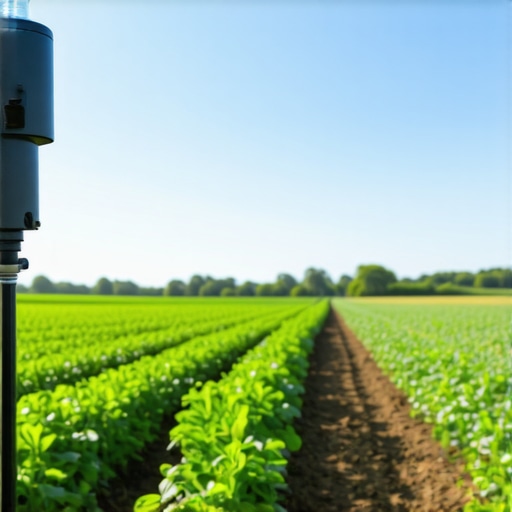
I vividly remember the moment I realized just how much water my outdated sprinkler system was wasting—standing in my yard on a scorching summer afternoon, watching droplets spill over the edges of my poorly designed irrigation system. It struck me then: despite my best efforts to keep my lawn lush, I was unknowingly pouring water down the drain—and so was everyone else around me. That lightbulb moment led me into a journey of discovering smarter, more sustainable ways to water our gardens.
Why Smart Irrigation Matters More Than Ever
Many homeowners still rely on traditional sprinklers that tend to overwater or ignore rain schedules, resulting in hefty water bills and environmental strain. According to the EPA, outdoor water use accounts for nearly 50% of residential water consumption—most of it wasted due to inefficient practices. As we move into 2026, adopting innovative irrigation hacks isn’t just about saving water; it’s about making our yards healthier and our wallets happier. If you’re tired of watching your water bill climb without seeing a greener lawn, these hacks could be just what you need.
Is Overhauling Your System Really Worth the Effort?
Early in my gardening adventures, I made the mistake of installing a fancy-looking sprinkler system without considering its efficiency or coverage. It seemed perfect at first, but I soon learned that improper design led to dry patches and water runoff. That mistake taught me a vital lesson: effective irrigation isn’t about having the latest gadgets—it’s about smart, tailored solutions. Thankfully, with a few strategic tweaks, I was able to transform my yard into a water-efficient paradise. Want to avoid my initial blunders? You’re in the right place.
Stay tuned as I walk you through four game-changing hacks that will revolutionize the way you water your landscape, saving water and money in the long run. Ready to take control of your yard’s hydration and ditch the waste? Let’s get started with some practical, legit tips.
First, locate your irrigation controller and identify zones. Set time-based schedules aligning with local rainfall forecasts—avoid automatic run times that cut into your water savings. Next, replace old nozzles with splash-proof, adjustable ones to fine-tune coverage. I once spent an afternoon reconfiguring my unwieldy system, marking dry patches and adjusting heads until my lawn looked uniform. Regularly testing your system ensures optimal coverage without waste. For expert insights, see effective irrigation system design. Ensuring each zone overlaps slightly prevents dry spots and reduces runoff, making watering more efficient.
Attach a rain sensor compatible with your irrigation system—set it to disconnect watering after a heavy rain. I installed one during spring, which saved me from unintentionally watering during thunderstorms. When I first tested it, the sensor kept my system off during a surprise downpour, and I noticed my water bill shrank noticeably. Position the sensor in an open area away from chimneys or trees to ensure accurate readings. This simple device acts like a rain gauge, preventing unnecessary watering and conserving water. Learn more about effective sensor setup at smart irrigation fixes.
Replace wasteful spray heads in flower beds and vegetable patches with drip lines. I sank these low-pressure tubes into my vegetable garden’s soil, gently watering roots directly—a technique akin to giving plants a personalized water bottle. Cutting back on overhead sprinklers reduces evaporation and ensures water reaches the roots, promoting healthier growth. Lay the drip tubing along plant rows, secure with stakes, and connect to your main supply with pressure regulators. For detailed installation steps, check professional drip irrigation strategies. This method transforms broad watering into a precise, water-saving practice.
Upgrade to a smart controller that adjusts watering schedules based on real-time weather data. I programmed mine to delay watering during rain and increase during dry spells, similar to a gardener’s intuition. Installation involved connecting the controller to my existing system and scheduling zones. The automation prevented overwatering and kept my lawn consistently healthy without manual adjustments. Plus, it reduced my water bill by ensuring I only water when necessary. Look into models compatible with local weather sources, and follow installation instructions at sod troubleshooting. This hack is like giving your yard a weather forecast that plans your watering in advance.
Keep your yard clean and aerated. Remove debris, trim overgrown grass, and aerate compacted soil to improve water absorption. I spent a Saturday aerating my lawn with a rented core aerator, poking holes in the soil—imagine giving your yard tiny drainage pathways. This process allows water to penetrate deeper, reducing runoff and drying. Afterward, I raked up fallen leaves to prevent mold and blockage of sprinkler heads, ensuring uniform coverage. Routine yard maintenance acts as a primer for your irrigation upgrades, making water more effective. Find expert yard cleanup tips at yard cleanup ideas. Keeping your landscape healthy minimizes the need for excessive watering, aligning with water conservation goals.While many believe that installing an expensive, high-tech sprinkler system guarantees lush, healthy lawns, the reality is far more nuanced. A frequent misconception is that a complex setup automatically leads to water efficiency. In truth, even sophisticated systems can waste water if not properly calibrated or designed with the landscape’s specific needs in mind. Many homeowners overlook the importance of zone overlap and head placement, essential factors for uniform watering according to irrigation experts. Skipping this step often results in dry patches or overwatering.
Another widespread mistake is assuming that rain sensors are unnecessary or only for rainy climates. Actually, neglecting to install or verify the functionality of a smart rain sensor can cause significant water waste during unexpected storms. These devices act as gatekeepers, preventing irrigation during rain and saving water costs. An overlooked detail is the placement of such sensors; positioning them in shaded or sheltered areas compromises accuracy, leading to unnecessary watering—think of it as giving your system a false weather report. For detailed tips on sensor setup, visit this resource.
When it comes to sod installation, many homeowners believe that simply rolling out the sod and watering heavily will guarantee successful rooting. However, a critical nuance is soil preparation. Failing to properly amend and compact the soil can cause root rot, patchy growth, or even grass dieback, especially in drought-prone areas. For a successful sod project, consider the importance of soil health and proper irrigation strategies—details covered in professional sod and irrigation tips. Moreover, overwatering new sod can be just as damaging as underwatering, as it promotes fungal diseases and prevents roots from establishing properly. Adjusting watering schedules to match the sod’s growth stage is crucial.
Yard cleanup might seem straightforward—removing leaves and trimming grass—but overlooking the importance of aeration, soil conditioning, and debris removal can undermine your landscape’s overall health. Compacted soils hinder water infiltration, leading to runoff and dry patches, while overgrown grass can shade out new growth. A strategic cleanup that includes aerating, mulching, and targeted pruning provides a more receptive environment for subsequent irrigation and planting efforts. For expert-approved yard cleanup routines, check here. Remember, the goal is to create a balanced ecosystem where water, soil, and plants work together—overlooking these big picture elements often results in wasted effort and resources.
In summary, the hidden nuance is that successful landscaping and irrigation hinge on understanding and properly managing the soil, water distribution, and plant needs. Myths like “more water is better” or “complex systems are foolproof” can lead to costly mistakes. Instead, focus on tailored solutions, maintenance, and strategic planning—every detail counts. Be aware of common pitfalls, and optimize your efforts for real results. Have you ever fallen into this trap? Let me know in the comments.Maintaining your yard’s lushness over time requires more than just initial efforts; it hinges on selecting the right tools and establishing a routine that keeps everything working smoothly. I personally swear by a few key pieces of equipment that have made my landscaping tasks more efficient and less stressful. First, a high-quality soil tester like the [Luster Leaf 1601 Rapitest](https://urbanlandscapingx.com/dont-waste-money-5-soil-tests-for-a-2026-sod-install) is indispensable for monitoring pH and nutrient levels, ensuring your soil remains in prime condition for sod and plant health. Regularly checking soil health allows me to adjust fertilization and watering, preventing issues before they escalate.
The Hardest Lesson I Learned About Landscaping, Irrigation, Sod Installation, and Yard Cleanup
One pivotal realization hit me hard when I first underestimated the power of soil health. I used fancy equipment and complex systems, yet my lawn never reached its full potential because I ignored the foundation—healthy soil. It taught me that irrigation tricks work best when paired with proper soil conditioning, a timeless lesson I wish I had embraced from the start.
Three Myths About Watering and Yard Care That Held Me Back
Myth one: The more you water, the better the grass. Reality: Overwatering drowns roots and fosters fungus. Myth two: Complex systems are foolproof. Reality: Without calibration and maintenance, even high-tech setups waste water. Myth three: Rain sensors are unnecessary in dry climates. Reality: They can prevent costly waste if correctly installed and maintained. Busting these myths transformed my approach and saved me headaches—and dollars.
What Experts Won’t Tell You About Achieving a Lush Yard
Advocates often emphasize high-end equipment, but the real secret lies in understanding your landscape’s unique needs. Tailoring your irrigation zones, regularly testing your soil, and integrating smart technology like weather-responsive controllers make all the difference. Deep down, sustainable yard health depends on mindful, personalized care, not just gadgets. Learning from industry pros (see their strategies) helped me see beyond the hype and optimize my efforts.
Curated Recommendations for Transforming Your Yard
- Soil Testing Kits: Investing in a quality soil tester, such as the recommended soil kit, offers invaluable insights into pH and nutrient deficiencies—key steps to ensuring your lawn’s vitality.
- Smart Irrigation Controllers: Devices that respond to real-time weather data are game-changers. I trust models linked with local weather services for seamless automation (see options here).
- Drip Irrigation Systems: Precise watering saves water and boosts plant health. Expert strategies (learn more) helped me perfect my setup for flower beds and veggie patches.
Your Turn to Tackle the Future of Yard Care
Remember, nurturing a thriving yard is an ongoing journey rooted in mindful adjustments and learning. By applying the insights you’ve gained and leveraging the right tools, your landscape can flourish sustainably. Don’t wait for problems to escalate—take proactive steps today to create the vibrant, water-efficient oasis you envision. Ready to transform your yard? The best time to start is now.
Have you ever struggled with calibrating your irrigation system or soil testing? Share your experiences and questions below—I love helping garden heroes like you turn challenges into masterpieces!
,