
I remember the moment vividly. After a weekend spent tirelessly adjusting my sprinkler system, I stepped outside to find my freshly sodded yard looking more like a dried-out desert than a lush paradise. My heart sank as I realized I had overwatered — again. It was a lightbulb moment that made me rethink everything about my approach to yard watering. If you’ve ever faced similar frustrations, you’re not alone.
Why Overwatering Could Be Killing Your Lawn, Not Nourishing It
Overwatering is a sneaky problem. At first glance, more water might seem like a good thing, but it often leads to root rot, fungal diseases, and an overall weaker lawn. I used to believe that keeping the sprinklers running longer was the answer—until my grass started turning yellow, and patches of dead grass appeared. As it turns out, a surprising 50% of homeowners unknowingly waste water by overwatering, which not only harms the grass but also hikes up water bills and harms the environment. According to experts at the Environmental Protection Agency, over-irrigation is one of the main contributors to water waste in residential landscapes.
Early in my journey, I made the mistake of trusting the timer without considering the actual weather or soil moisture levels. This rigid approach led to patchy, unhealthy grass and hefty water bills. Since then, I’ve learned a few tricks that transformed my yard maintenance, and I’m eager to share these with you. Today, I’ll walk you through three smart irrigation fixes that can make 2026 your yard’s best year yet.
Will These Tricks Really Save My Lawn—and Money?
This is the question I hear most often. Like many, I was skeptical at first — wondering if tiny adjustments could really make a difference. But after applying these tactics, I saw a marked improvement. Not only did my lawn become more lush, but my water bills dropped significantly. If you’re worried about wasting water or even damaging your grass further, I invite you to explore these proven strategies. For detailed expert insights, check out the comprehensive sod installation irrigation strategies for a lush lawn in 2025.
Are you ready to ditch the guesswork and turn your irrigation system into a lawn-saving machine? Let’s dive into the practical fixes that will help you take control of your yard’s health and your water consumption.
Test Soil Moisture Regularly
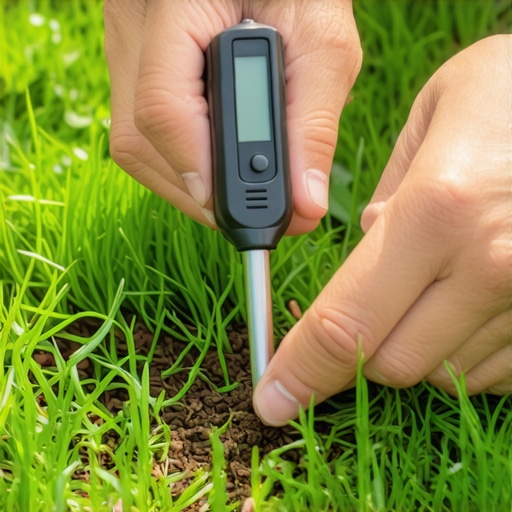
During my first attempt to adjust my sprinkler system, I manually inserted a soil probe into different parts of the yard after watering. I found moisture levels varied drastically, confirming my guesswork was flawed. Use a simple soil moisture tester or even a screwdriver to check if the top inch of soil is dry before watering again. This avoid over-saturation and promotes healthy root growth. Regular testing helps you calibrate your system precisely, reducing waste and preventing fungal issues.
Set Your System Based on Weather and Soil Conditions
One afternoon, I paused the sprinkler for a week when rain was forecasted. Then, I adjusted the timer to run shorter cycles—15 minutes instead of 30—on days when the weather was hot and dry. Avoid relying solely on timers; instead, sync watering schedules with weather patterns. For detailed techniques, check out expert irrigation strategies for a lush yard. This approach ensures the grass gets just enough water without drowning the roots.
Implement Deep, Infrequent Watering
Rather than daily surface watering, I shifted to deeper soaking sessions once or twice a week. I used a rain gauge and soil probe to confirm that water penetrated at least 6 inches into the soil, encouraging roots to grow downward for drought resilience. Think of watering like a big gulp: better to drink slowly and thoroughly than frequently sip. This technique reduces surface runoff and discourages shallow root systems vulnerable to drought stress.
Adjust Sprinkler Heads for Uniform Coverage
Initially, my sprinklers created uneven patches—some areas overwatered, others dry. I checked for spray zones and repositioned heads, making sure each sprinkler covered its target area without overlap. Using a soil moisture map from my testing, I fine-tuned the distribution. Proper placement and calibration of sprinkler heads prevent unnecessary watering of already moist spots and direct water where it’s needed most. For expert tips, visit professional irrigation tips.
Maintain Your System for Consistent Results
Every spring, I take time to inspect hoses, clean filters, and check for leaks. A clogged nozzle or leak causes uneven watering, leading to overwatering in some areas. Regular maintenance ensures the system operates efficiently, saving water and money while keeping the lawn healthy. Remember, consistent operation times and thorough checks are as essential as the initial setup for sustainable lawn care.
Many homeowners fall into common traps when it comes to landscaping and yard maintenance, often relying on myth-laden advice or oversimplified methods. While beginner tips are helpful, real mastery involves understanding nuanced intricacies that can make a significant difference. One widespread misconception is that immediate results indicate proper care, but in reality, patience and comprehension of soil and plant biology are paramount. For instance, overwatering might seem beneficial, but experts show it can hinder root development and promote fungal issues, especially if soil drainage is poor. Moreover, many mistakenly believe that uniform watering across diverse soil types yields the best results, yet tailored irrigation schedules, accounting for soil composition and microclimates, outperform generic setups.
Why do most lawn failures stem from overlooking soil’s true needs?
Many think soil testing is an extra step, but ignoring it can lead to poor sod integration and eventual drought stress. A study from the University of Georgia highlights that understanding soil chemistry and structure allows for precise amendments, enhancing sod root establishment and drought resilience. Without this knowledge, efforts may be wasted on superficial fixes, neglecting core issues beneath the surface. To achieve a truly lush lawn, consider consulting with experts and performing comprehensive soil analyses—it’s a small investment that prevents costly mistakes down the line. For expert tips on sod installation and irrigation techniques, check out these comprehensive strategies.
Another overlooked detail is the timing of yard cleanup and renovation activities. Rushing into heavy pruning or soil disturbance during peak growth seasons can set back progress. Instead, scheduling cleanup and sod installation during optimal windows—late spring or early fall—maximizes success. Additionally, assuming all landscaping tools are equally effective ignores the subtle advantages of proper equipment setup and maintenance. Sharp blades, calibrated sprinklers, and clean filters aren’t just technicalities—they’re essentials for precision and efficiency. Regular inspection and adjustments—much like fine-tuning an irrigation system—can greatly improve outcomes. For professional advice on yard cleanup and landscaping strategies, see these expert tips.
Fast fix or sustainable progress?
Many homeowners chase quick fixes—over-fertilizing, overwatering, or rushing sod installation—hoping for instant results. However, such shortcuts often lead to long-term setbacks like pest infestations, compaction, or root rot. Sustainable landscaping hinges on precise, informed actions, where understanding the science behind soil moisture, plant growth, and ecosystem balance pays dividends. For example, applying deep, infrequent watering encourages resilient roots, while proper soil aeration prevents compaction and promotes healthy microbial activity. Remember, investing in quality tools, soil testing, and expert consultations can save time and money in the long run. If you’re curious about avoiding these pitfalls, explore yard cleanup strategies that prioritize durability over temporary effects.
Have you ever fallen into this trap? Let me know in the comments and share your experiences—understanding these nuances can transform your yard from mediocre to magnificent.
Keep Your Tools in Top Shape for Effortless Yard Care
Investing in high-quality equipment is only the first step; consistent maintenance ensures your tools perform optimally over time. I personally swear by using a dedicated chain oil for my lawnmower blades and regularly sharpening them. Sharp blades cut more efficiently, reduce strain on the engine, and create cleaner cuts that promote healthier grass during sod installation. For pruning shears, I keep a fine-grit sharpening stone on hand, which allows me to quickly restore blades after heavy use, preventing jagged cuts that can introduce diseases. Proper storage is equally important; I always clean tools after every session and store them in a dry toolbox to prevent rust and degradation.
Beyond basic upkeep, choosing the right maintenance routines can drastically extend tool lifespan. For example, I apply a light coating of silicone spray on my sprinkler heads periodically to prevent mineral buildup and ensure even water distribution. This simple step can prevent uneven watering issues that compromise your landscaping efforts. Regularly inspecting hoses for cracks and leaks is another crucial habit, as a small leak can significantly reduce watering efficiency and inflate water bills. Incorporating scheduled maintenance into your yard routine—such as monthly inspections—can save time, money, and frustration down the line.
According to industry experts, neglecting maintenance can lead to equipment failure at the most inconvenient times—like during peak growing seasons. An often overlooked aspect is calibrating sprinkler heads for uniform coverage; I use a simple catch cup test to verify that each head delivers the correct gallons per minute, adjusting as necessary. This prevents overwatering or underwatering in different yard zones, fostering healthier sod growth. Additionally, upgrading older, inefficient parts to newer, variable-speed controllers or smart irrigation components can optimize water use and reduce manual oversight, setting your yard up for success in the long run.
Looking ahead, the integration of smart technology into landscaping tools is expected to grow. Automated drones for lawn assessments and AI-driven soil sensors are on the horizon, promising even more precise yard management. Currently, I recommend pairing manual maintenance with smart solutions like weather-based controllers; this combo offers both reliability and efficiency. For a comprehensive upgrade, consider exploring expert irrigation strategies that leverage both traditional tools and modern tech for optimal results.
How do I maintain my landscape tools over time to get the best results?
The key is establishing a routine maintenance schedule that includes cleaning, sharpening, lubricating, and inspecting each tool after use. Regularly replacing worn parts before they fail prevents more costly repairs later. For instance, maintaining your sprinkler system with seasonal checks of filters and nozzles ensures consistent coverage and conserves water. Incorporating a few advanced techniques—like calibrating sprinkler heads using catch cups or upgrading to smart controllers—can significantly enhance your yard’s health and your gardening experience. I highly recommend trying one of these tips today to set your landscape on a sustainable path toward growth and beauty.
Top Secrets I Wish I Knew When Starting Out
One of the hardest lessons was realizing that even the best irrigation system won’t perform its magic without proper soil prep. I used to think that installing high-end sprinklers was enough, but neglecting soil health led to patchy grass and wasted water. Learning to test and amend my soil made a huge difference, dramatically improving grass health and reducing my water bills.
Another lightbulb moment came when I discovered deep watering instead of frequent surface sprays. Initially, I thought daily watering was best, but I saw roots refuse to grow deeper, making my sod more susceptible to drought. Deep, infrequent soakings encouraged resilient roots, transforming my yard into a drought-resistant oasis.
Lastly, I underestimated the importance of regular equipment maintenance. Dull blades, clogged sprinklers, and leaks sabotaged my efforts, leading to uneven watering and unhealthy sod. A simple routine of cleaning and calibration turned equipment from a hassle into a powerful tool for my yard’s success.
My Go-To Resources for Yard Success
I trust the comprehensive guides at Expert Sod Installation Strategies for detailed insights into irrigation and sod health—they’ve helped me avoid common pitfalls and save money. For soil testing, I rely on local extension services, which provide accurate, affordable analysis to tailor amendments precisely. I also swear by gardening forums where seasoned landscapers share real-world tips, making complex concepts approachable and actionable. Lastly, investing in a quality moisture meter from trusted suppliers ensures I’m watering just right, every time.
Your Yard’s Future Starts Today
Every smart tweak I made to my lawn— from soil testing to equipment upkeep— paid off with a healthier, more vibrant yard that feels like a personal retreat. Remember, landscaping and irrigation aren’t just chores—they’re investments in your happiness and property value. I encourage you to take small, consistent steps now, and you’ll see your yard flourish beyond expectations. Don’t wait for perfect weather; start transforming your outdoor space today.
I really resonate with the part about the importance of soil testing—it’s easy to overlook, but it makes such a difference. I started testing my soil a couple of seasons ago after experiencing some patchy areas despite regular watering. The results led me to amend my soil with organic compost and adjust my watering schedule accordingly, and the improvement was noticeable. What’s your take on integrating organic matter into your irrigation plan? Do others have success stories or lessons learned from soil amendments? I’ve found that combining proper soil health with smart irrigation practices really elevates overall lawn quality and resilience.