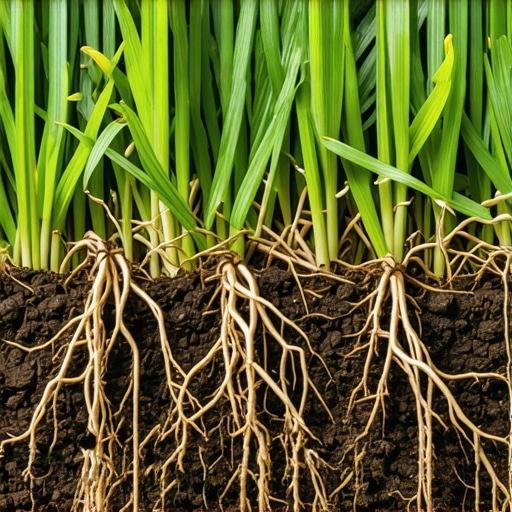
It was a crisp spring morning when I stepped into my yard, optimistic about the lush green sod I had just laid weeks prior. But instead of the vibrant carpet I envisioned, patches of my new sod looked dull, brown, and lifeless. My heart sank—had all my hard work been for nothing? That moment of frustration was a lightbulb that sparked my deep dive into sod troubles, especially the common issue of browning. If your freshly installed lawn is turning brown faster than you expected, you’re not alone. Many homeowners face this frustrating challenge, and there’s good news: you can fix it quickly with some simple root-focused remedies.
In today’s post, I’ll share four fast-rooting fixes that helped my lawn bounce back and ultimately thrive. Whether you’re battling unexpected browning or want to prevent it altogether, these tips are practical, effective, and rely on understanding your grass’s roots. Trust me, I’ve made mistakes early on—like overwatering or neglecting proper soil prep—that only worsened the problem. Learning from those missteps, I discovered strategies that really work, and I’m eager to pass them along.
Ready to breathe new life into your browning sod? Let’s dig into why this happens and how you can turn your lawn around before it’s too late.
Why Does My Sod Turn Brown in 2026, and How Can I Fix It Fast?
Make Your Roots Thrive: Immediate Steps to Fix Brown Sod
Start by assessing your soil moisture—stick a screwdriver into the ground about 4 inches deep. If it feels dry but firm, your grass could be underwatered. If it’s muddy or waterlogged, overwatering is the culprit. I remember once poking my soil and realizing it was soaked, leading me to correct my irrigation schedule immediately, which resulted in a rejuvenated lawn within days. Adjust irrigation timing to ensure even water distribution without oversaturation.
Optimize Your Watering
Implement smart watering techniques: water deeply and infrequently rather than daily light sprays. Use the smart irrigation fixes to prevent overwatering, which can drown roots and foster disease. I set my sprinkler timer to run early mornings, mimicking natural dew patterns and reducing evaporation loss, significantly improving root absorption.
Inspect and Repair Your Sprinkler System
Next, check for leaks or blockages. An uneven spray pattern leaves sections of your lawn dry or overwatered—both bad for roots. I once discovered a broken head in my system, causing dry patches. Repairing it restored uniform moisture. For upgrades, consider implementing professional irrigation strategies for optimal results.
Nourish the Soil and Roots Directly
Healthy roots need nutrients. Aerate compacted soil with a garden fork or aerator. I used a manual aerator on a weekend and noted how the soil became more receptive to water and nutrients. Follow with a top dressing of compost or a balanced fertilizer to feed roots directly, promoting rapid recovery. For best results, consult tips on soil preparation to ensure your foundation promotes root growth rather than suffocation.
Address Shady or Problem Areas
If some patches remain stubborn, consider reseeding or patching those zones. Clear away dead grass, loosen the soil, and apply fresh seed. I once tackled a shaded corner with quick germinating seed, and within a week, new shoots started thriving—quite a transformation from browning stagnant patches.
For long-term health, avoid common mistakes like laying sod on poorly prepared soil or overwatering, which can cause roots to rot. Visit soil prep advice to learn how to set up your yard for success.
Keep a Close Eye and Adjust
Finally, monitor changes daily. If patches improve after watering adjustments, stick with the new schedule. If not, revisit soil conditions or consider supplemental aeration. Regularly checking helps catch issues early before they turn into irreversible damage, saving your lawn from perpetual browning.
Many enthusiasts and even experienced gardeners fall prey to misconceptions about landscaping and lawn care. One prevalent myth is that simply laying down sod guarantees a lush, thriving lawn—many believe that soil quality or watering practices are secondary. However, in my experience, the true success hinges on understanding the soil’s nuances and the specific needs of your grass type. For instance, certain varieties like Kentucky Bluegrass demand well-aerated, slightly acidic soil; neglecting this leads to stagnation and disease susceptibility. Better yet, some believe that frequent watering promotes root growth; yet, an excess of water can drown roots, fostering root rot—think about how smart irrigation fixes can help prevent this mistake.
Beyond myths, many overlook the complex factors influencing lawn health. Soil compaction is often dismissed as a minor issue, but I’ve seen compacted soil reduce oxygen availability, stunting root growth and making sod installation a gamble. Regular aeration, which might be viewed as an optional chore, becomes crucial for ensuring roots breathe and nutrients penetrate. Additionally, a common mistake is misjudging the timing of yard cleanup—rushing into spring cleanup too early can pull up new shoots or disturb dormant beneficial organisms. Skilled landscapers prioritize the right season and tools, such as using pro-yard cleanup strategies to prepare the yard correctly.
Why does soil preparation matter more than most realize?
Because the foundation of your lawn rests in soil quality, ignoring this step often leads to stubborn patches that refuse to root properly or can even lead to sod failure, despite perfect watering. A study by the University of California highlights that well-prepared soil enhances sod establishment and reduces disease risks, emphasizing that soil is not just dirt but a living system requiring careful nurturing. Soil prep is the silent hero in lawn success.
Similarly, many underestimate the importance of customizing irrigation schedules—what works for a drone’s multispectral imaging or a turf specialist’s precise recommendations might surprise you. I’ve found that implementing smart irrigation tweaks significantly reduces water waste while keeping roots hydrated. Failure to adapt often results in overwatering or underwatering, both detrimental. Advanced timers and soil moisture sensors can be game-changers in this aspect.
In conclusion, successful landscaping is less about quick fixes or trendy solutions and more about establishing nuanced, scientifically grounded practices. From understanding that sod installation requires proper soil treatment to realizing that irrigation isn’t just about water but about timing and quantity—that’s where expertise truly shines. Have you ever fallen into this trap? Let me know in the comments, and remember, mastering these finer points can save time and money while ensuring a healthier yard.
Keeping Your Landscape in Prime Condition
Achieving and maintaining a stunning yard requires more than just initial effort; it demands reliable tools, regular upkeep, and a forward-thinking approach. Over the years, I’ve discovered that investing in the right equipment and establishing systematic maintenance routines makes all the difference in ensuring your landscape thrives season after season.
Powerful Equipment for Consistent Results
One indispensable tool in my arsenal is a high-quality leaf blower. During yard cleanup, especially after autumn, a powerful blower like the Stihl BR 700 allows me to clear debris swiftly, saving hours of manual raking. Its adjustable airflow ensures gentle cleanup around delicate plants and hard surfaces alike. For soil aeration, I rely on a commercial-grade aerator, which effectively reduces soil compaction, promotes root growth, and enhances water infiltration. Using the right aerator tailored for my yard size ensures I maximize my efforts without damaging my lawn.
For irrigation, I prefer smart sprinkler systems like Rain Bird Smart WiFi Sprinkler. These devices sync with my smartphone, allowing me to modify watering schedules based on weather forecasts or soil moisture data. This automation not only conserves water but also prevents root stress caused by over- or under-watering. To keep track of moisture levels, I use a series of soil sensors that provide real-time feedback, helping me make informed decisions about watering adjustments.
Software and Scheduling for Long-Term Health
Beyond hardware, software tools play an increasingly vital role. I utilize smart irrigation tweaks to fine-tune watering routines, ensuring I deliver just the right amount of water without waste. Regularly updating these schedules based on seasonal changes prevents common issues like root rot or drought stress. Additionally, landscape management apps like LawnBuddy offer visual planning, task reminders, and progress tracking—keeping my landscape organized and proactive rather than reactive.
Routine Checks and Maintenance for Lasting Impact
To sustain the health of my landscape, I perform routine inspections of irrigation components, pruning schedules, and soil conditions. For example, checking sprinkler heads monthly helps identify leaks or clogs, ensuring uniform coverage. Pruning dead or diseased branches prevents pest infestations and promotes vigorous growth. Regular soil testing, as highlighted in soil prep advice, guides amendments and fertilization, creating an optimal environment for sod and perennials alike.
Looking ahead, I believe automation and AI-driven tools will become standard, offering predictive maintenance recommendations that save time and resources. For example, integrating weather sensors with irrigation systems could automatically adapt watering schedules based on upcoming rainfall patterns, which is supported by emerging research in gardening automation technologies.
For your next project, I encourage you to try upgrading your sprinkler system with a smart controller. This small change can dramatically improve water efficiency and plant health, making ongoing landscape maintenance simpler and more effective.
What No One Tells You About Root Growth and Sod Success
After years of tending to my yard, I realized that rapid root establishment was the cornerstone of a resilient lawn. One lightbulb moment was understanding that roots need ample oxygen and proper soil structure—neglecting this leads to browning and patchiness, regardless of watering or fertilizing. My biggest mistake was overlooking soil aeration in spring, which delayed root development and caused early browning. Now, I see that investing time in soil prep and aeration pays off far more than short-term watering fixes, and this secret can save your sod from failure.
Practical Tools and Resources That Transformed My Landscaping Approach
Over time, I trusted tools like the professional irrigation systems and soil testers that give precise feedback on moisture and pH. The book Soil Science for Gardeners provided foundational knowledge that changed how I treat my yard’s environment. These resources helped me shift from guesswork to science-backed practices, ensuring healthier roots and vibrant grass. For a deep dive into such tools, exploring top irrigation tips might be enlightening.
Embrace the Challenge—Transform Your Lawn with Confidence
Now, I encourage you to see root health not as a chore but as the true key to lawn success. Every season offers new opportunities—whether it’s adjusting your watering schedule, aerating compacted soil, or selecting the right grass type for your shade and soil conditions. Don’t let the fear of initial setbacks hold you back; the real reward is a lush, thriving yard that becomes your personal oasis. If you’re ready to turn frustration into confidence, start today by evaluating your soil’s needs and adopting science-based practices. Your dream yard isn’t far—take that first step now and watch your efforts blossom into green perfection.