
I remember the moment clearly. I had spent an entire weekend battling uneven patches and dull colors in my lawn, pouring fertilizer and obsessively watering, only to realize that my grass was still struggling. That lightbulb moment hit me: soil health isn’t just about what you put on the surface; it’s a complex ecosystem that needs nurturing from within. If your yard feels like it’s fighting a losing battle despite all your efforts, you’re not alone. Many homeowners get caught up in the fertilizer frenzy, but sometimes, the root of the problem lies deeper—literally.
Why Soil Matters More Than You Think
Fertilizer can give your lawn a quick boost, but without a healthy soil foundation, those nutrients often wash away or fail to penetrate deeply enough. Over time, soil degradation from compaction, poor drainage, or imbalance in pH can hinder grass roots from establishing, leading to weak, starving turf. According to a study published by the USDA, healthy soil is vital for robust plant growth and can even improve water retention, reducing your water bills and promoting sustainability. Knowing this shifted my entire approach, and it’s a reminder that real lawn health starts beneath the surface.
Have you ever tried everything, only to see your grass stubbornly underperform? If so, you’re in good company. Today, I want to share three essential soil fixes that go beyond just fertilizing—things that truly transform your yard into a lush, thriving oasis. Trust me, once I started implementing these strategies, my lawn’s health and appearance skyrocketed, and yours can too.
Is Soil-Supporting Magic or Just Overhyped? The Reality of Soil Remedies
Early on, I made the mistake of believing that adding more fertilizer was the one-size-fits-all solution. Big mistake. It wasn’t until I addressed soil compaction, pH imbalance, and organic matter content that I saw real change. These soil fixes aren’t just hype—they’re backed by turf experts and proven to set your yard up for success. Curious? Keep reading to discover what I wish I had known when I started out, and how these fixes can make your lawn truly thrive—beyond just the fertilizer drama. And if you’re interested in refreshing your entire yard, check out professional sod and irrigation tips for overhauling your landscape.
Revamp Your Soil with Practical Fixes
After recognizing that healthy soil is foundational, I tackled my lawn’s issues head-on. My first step was testing soil pH and nutrient levels using a simple kit, which I purchased from a local store. This revealed an acidic pH that was starving my grass of vital nutrients. To correct this, I evenly applied lime, roughly walking my yard in overlapping circles to ensure uniform coverage. The result? A more balanced soil that welcomed roots to thrive.
Loosen and Lift the Soil
Compaction was my next obstacle. I used a garden fork to aerate the compacted patches—picking up a small section, I hammered the fork into the ground at regular intervals, creating pathways for air, water, and nutrients. Think of this like opening up tiny highways for your grass roots. One weekend, I spent a couple of hours poking holes across the entire yard. This effort drastically improved drainage and helped subsequent fertilization work more effectively.
Boost Organic Matter and Microbial Life
Organic matter enriches soil and supports beneficial microbes. I spread a thin layer of compost around the yard, similar to icing a cake—distributing it evenly without heavy piles. Light raking helped incorporate it into the topsoil, encouraging microbial activity that breaks down organic material into usable nutrients. Over a few weeks, I noticed my grass becoming greener and more resilient—proof that feeding the soil feeds the grass.
Adjust pH for Optimal Growth
If your soil is too acidic or alkaline, grass struggles to absorb nutrients. Based on my test results, I adjusted pH by adding specific amendments. For acidity, I used elemental lime; for alkalinity, sulfur. I measured out the recommended amounts and broadcasted them across the yard in breezy conditions to prevent clumping. After a few days, I watered thoroughly to activate the amendments. Regular testing after this step confirmed I was moving toward ideal pH levels, setting the stage for lush growth.
Follow a Consistent Maintenance Routine
Soil health isn’t a one-and-done deal. I scheduled monthly aeration and soil testing, ensuring my yard stayed balanced. Incorporating organic compost quarterly kept organic matter levels high, fostering a vibrant soil ecosystem. Using an effective irrigation system, like the ones detailed in this guide, ensured even watering, preventing drought stress or overwatering—both harmful to soil and turf. Routine attention made my lawn a thriving green space rather than a struggling patch of grass.
Many homeowners assume that the biggest mistake in lawn care is applying too much fertilizer or neglecting weekly mowing, but the real hidden nuance often lies in how we approach irrigation, sod installation, and yard maintenance. A common myth is that more water equals healthier grass, but overwatering can suffocate roots and promote disease, undermining your efforts. According to turf expert Dr. Jim Murphy, inconsistent watering schedules can cause stress and poor rooting, leading to weak turf that struggles to establish. Instead, understanding proper irrigation timing, matching water application to weather conditions, and ensuring even coverage are essential for a thriving lawn.
Why does customizing irrigation matter for resilient grass?
Optimizing your irrigation system isn’t just about watering more; it’s about watering smarter. This involves zone tuning based on soil type and plant needs, which many overlook. An effective design considers factors like solar exposure and shade to prevent over- or under-watering, thereby conserving water and strengthening grass roots. Incorrect sprinkler placement or neglecting system leaks can waste hundreds of gallons weekly and hinder sod rooting. For a fully integrated approach, check out this expert guide on irrigation planning. 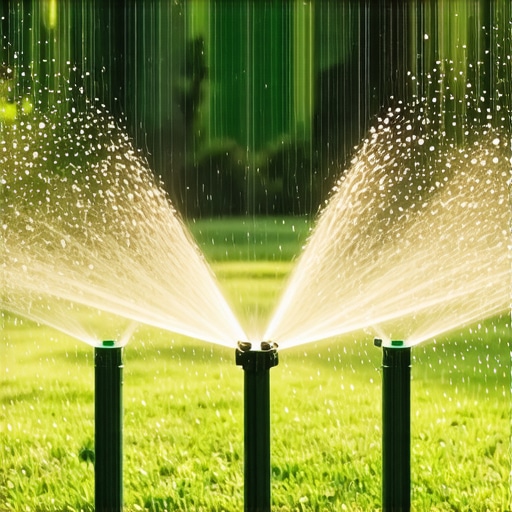
Visualize your sprinkler zones with a detailed map to ensure every patch receives the right amount of water. Proper zoning prevents dry spots and over-saturated areas, leading to a more uniform and healthy lawn.
Effective sod installation extends beyond just laying grass. Many get fooled by the myth that freshly laid sod will root overnight. In fact, improper soil prep, inadequate watering immediately after installation, or neglecting micro-climate variations can cause unsightly patches or even sod failure. As noted by sod experts, pre-condition your soil with proper aeration and fertilization, and follow strict watering schedules to promote deep rooting. Skipping these steps is an easy trap that compromises your investment and delays that lush green carpet you desire.
Common pitfalls in yard clean-up that cost time and effort
Homeowners often underestimate the importance of a strategic yard cleanup, thinking it’s just about bagging leaves and trimming shrubs. However, overlooking debris, ignoring invasive weeds, or failing to plan for seasonal changes can turn a quick tidy-up into a recurring nightmare. Properly layered leaf removal, edging, and targeted weed treatment save hours over the season and preserve your landscape’s health. Feel overwhelmed? Learn these professional yard cleanup tips to streamline your routine.
Have you ever fallen into this trap? Let me know in the comments.To keep your yard consistently lush and healthy, investing in the right tools and adopting disciplined maintenance routines are essential. I personally recommend a high-quality soil tester like the Rapitest Digital Soil Test Kit, which provides quick, accurate readings of pH and nutrient levels, helping me make informed amendments without guesswork. For aeration, I prefer a core aerator attachment for my walk-behind lawn tractor, as it covers large areas efficiently and prevents soil compaction—a key factor I learned from turf expert USDA. Regularly cleaning and calibrating your sprinkler system, using an adjustable wrench and a wireless flow meter, ensures optimal watering — reducing waste and preventing over- or under-watering. As irrigation technology trends move toward smart controllers, integrating a Wi-Fi-enabled system can automate watering schedules based on weather forecasts, which I believe is the future of lawn care. Maintaining your yard isn’t a set-and-forget task; it requires ongoing attention. How do I maintain irrigation systems over time? I schedule seasonal inspections to check for leaks, clogs, or uneven spray patterns, and I use a dedicated system diagnostic tool like the Hunter PRO-C Controller with built-in diagnostics to streamline troubleshooting. Proper maintenance extends the lifespan of your equipment and keeps your lawn thriving year-round. For example, replacing worn-out sprinkler heads promptly prevents dry patches, and keeping your soil pH balanced—ideally between 6.0 and 7.0—ensures nutrients are accessible to your grass. Remember, consistency is key. By committing to regular tweaking and upgrades, such as adjusting your irrigation zones using zone tuning, you’ll save money on water bills and minimize turf stress. Don’t overlook simple adjustments like verifying sprinkler coverage with a quick walk-around during watering, which can dramatically improve results. Try optimizing one aspect of your system this month, perhaps calibrating your sprinkler zones using a detailed map—something I personally found beneficial in achieving an even, vibrant lawn over time. For in-depth strategies, see the article on effective irrigation system design to enhance your yard’s health.
How I Discovered the Soil’s Hidden Power
One of the most eye-opening lessons I learned was that soil health isn’t just about adding fertilizer; it’s an ongoing ecosystem that needs nurturing from within. Early on, I thought more fertilizer meant better grass, but I soon realized that addressing soil compaction, pH imbalance, and organic matter was the true game-changer. This insight reshaped my entire approach, making me appreciate the soil beneath my feet as the foundation of a vibrant lawn.
The Myth of Instant Green: Patience Pays Off
Initially, I believed that lush, green grass could be achieved overnight. I was eager to see results but quickly learned that proper aeration, pH balancing, and organic matter buildup require time—sometimes weeks. Embracing patience and consistent maintenance, like regular soil testing and amendments, ultimately led to a resilient, thriving yard. The key? Sustainable practices over quick fixes.
Addressing Core Issues Makes All the Difference
Addressing surface symptoms won’t fix underlying problems. When I started focusing on soil aeration, organic matter, and pH adjustments, I saw a significant boost in turf health. This holistic approach prevented recurring issues and promoted deep root growth. It’s a reminder that true lawn transformation hinges on tackling root causes, not just surface aesthetics.
Upgrading Tools and Strategies Opened New Doors
Investing in quality tools like a reliable soil tester and a good aerator revolutionized my yard care. Using these, I could diagnose issues accurately and implement targeted solutions, saving time and effort. Exploring smart irrigation controllers and zone tuning further optimized water use and root development. The lesson? The right tools empower smarter decisions, leading to better yard results.
Small Changes, Big Results—Consistency Is Key
Simple routines like monthly soil testing, organic compost applications, and inspecting irrigation systems became my secret weapons. Small, consistent actions created compounding benefits, transforming a patchy yard into a lush retreat. The takeaway? Routine maintenance and attention to detail are the most effective strategies for enduring lawn health.
My Hidden Insights Into Yard Revival
- Reject quick fixes; focus on what’s happening beneath your grass.
- Don’t overlook soil pH—it’s the silent influencer of turf vitality.
- Aeration and organic matter are your best friends for combating compaction and fostering microbial life.
- Quality tools and smart tech can make all the difference in diagnosing and optimizing your yard.
- Patience and consistency often trump the latest miracle product.
Tools and Resources That Made a Difference
My preferred soil testing kit, like the Rapitest Digital Soil Test Kit, offers quick insights without hassle. An aerator attachment for my lawn tractor made aeration efficient, even over large areas. For irrigation, a Wi-Fi-enabled controller helped me automate watering based on weather, significantly reducing water waste. These tools combined with expert advice from dedicated resources, such as the irrigation system guide, set me on the path to a healthier lawn. Choosing reliable, proven tools ensures consistent success beyond guesswork.
Your Turn to Cultivate Confidence
Transforming your yard isn’t just about following a routine—it’s about understanding and nurturing your soil ecosystem with patience and the right strategies. Every small effort compounds, paving the way for a landscape that reflects your dedication. Embrace the process, utilize the tools that resonate with your goals, and watch your lawn flourish as a testament to your commitment.
What’s the one soil or irrigation fix you’ve been hesitant to try? Share your thoughts below—your experience might inspire someone else to take that crucial step!
,
Reading this post really hit home for me. I spent so much time and money fertilizing my lawn with minimal results, thinking that was the key to lush grass. It wasn’t until I invested in a soil test kit that I realized my pH was off and that soil compaction was preventing nutrients from doing their job. After aerating and adding lime to balance out the pH, I saw a noticeable difference in the health and vibrancy of my grass within just a few weeks. It’s a great reminder that surface treatments alone won’t solve deeper soil issues. I’ve been curious about organic matter, though. Has anyone had success in using compost teas or microbial inoculants to boost soil microbial activity? I’d love to hear practical tips on enhancing organic content naturally, as I’m trying to avoid chemical amendments as much as possible.