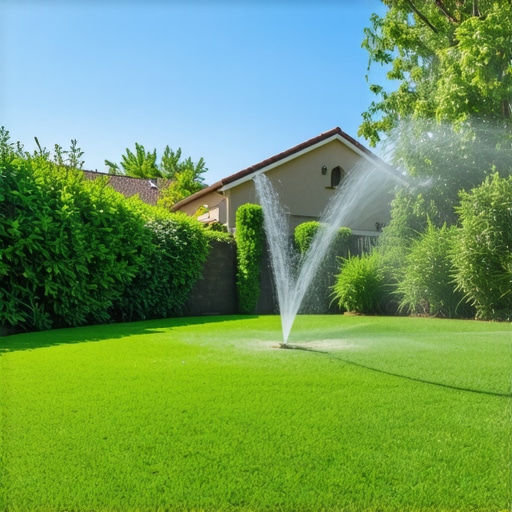
Last summer, I stood in my backyard, staring at what was supposed to be my lush, inviting lawn. Instead, I saw patches of brown, uneven grass struggling to survive through the relentless heat. That frustrating realization hit me hard—despite my best efforts, my yard wasn’t flourishing, and I wasn’t alone. Many homeowners face the same uphill battle: early investments in sod and irrigation often fall flat because of overlooked mistakes and outdated techniques.
Your Lawn’s Best Friend: The Power of Professional Sod and Irrigation in 2025
But what if I told you there’s a way to turn that struggle into a vibrant, healthy yard you can be proud of? Today, I’ll share how the right approach to sod installation and irrigation solutions can make all the difference. Expect actionable tips that could save you time, money, and endless frustration while transforming your outdoor space into your personal sanctuary.
Is It Really Worth Investing in Professional Landscaping? Don’t Let Skepticism Hold You Back
Looking back, I made a critical mistake early on—trying to do everything myself without understanding the nuances of proper sod installation and irrigation system design. That misstep cost me more in re-dos and patchy grass. I learned the hard way that professional guidance can fast-track your yard’s transformation and prevent costly errors. Experts emphasize that well-planned sod and irrigation strategies can boost your lawn’s resilience and beauty significantly, with some studies suggesting that proper irrigation alone can improve water efficiency by up to 30% (source).
So, if you’ve ever felt overwhelmed choosing the right turf or unsure about the best watering practices, you’re in good company. The good news is, with the right techniques tailored to your yard’s needs, you can achieve stunning results. In the upcoming sections, I’ll walk you through proven methods to implement professional sod installation and effective irrigation solutions that will redefine your yard’s potential for 2025 and beyond. Ready to take your lawn from disappointing to dazzling? Let’s dive into the essentials that can help make your outdoor space the envy of the neighborhood.
Start with a Yard Makeover Plan
First, evaluate your yard’s current condition by removing debris, weeds, and dead grass—think of it as giving your landscape a fresh canvas. I remember a weekend I spent hauling away fallen branches and overgrown shrubs, which revealed the neglected soil beneath. This upfront cleanup is crucial for a solid foundation and will save time during installation.
Clear Debris and Prepare the Soil
Use a heavy-duty rake or a power scarifier to loosen compacted soil, ensuring roots and water can penetrate easily. When I tackled my yard, I rented a soil aerator, which punched holes into the earth, much like minor tunnels that allow nutrients to reach deep roots. This step is akin to preparing a garden bed before planting—your turf’s rooting success depends on it.
Lay the Groundwork for Sod Installation
Choose high-quality sod suited for your climate; local farms typically offer the best options. When I laid sod, I made sure to stagger the pieces like bricks, preventing seams from lining up. This technique, called ‘butt jointing,’ helps prevent gaps and promotes seamless growth. Water thoroughly after laying each section—think of it as giving the grass a refreshing drink after a long day.
Match the Soil and Sod
Ensure soil pH is balanced—test kits are inexpensive and vital. If necessary, amend the soil with lime or sulfur to optimize growth conditions. In my experience, a proper pH adjustment resulted in greener, thicker grass within weeks. This step maximizes sod success, making your investment last longer and look better.
Design and Install a Efficient Irrigation System
Implement a watering plan that mimics natural rainfall—deep and infrequent to encourage deep root growth. I once installed drip irrigation pipes around flower beds, which was like giving each plant a personal water bottle. Use rotor sprinklers for larger areas and drip emitters for beds and shrubs—each tailored to the specific water needs.
Plan for Flexibility and Water Efficiency
Incorporate a smart controller or timers to automate watering schedules—think of it as giving your yard a gentle, consistent shower when you’re busy. Adjust the settings seasonally to avoid overwatering, which can lead to disease or runoff. For guidance, check out effective irrigation installation tips.
Fine-Tune Your Yard for Lasting Results
After initial establishment, monitor your lawn for signs of stress or pests. Use a soil moisture meter to ensure consistent hydration—like a health checkup for your grass. Regularly mow at the proper height to promote dense growth, preventing weeds from taking hold. This ongoing management ensures your yard remains vibrant and lush through 2025 and beyond.
Schedule Routine Maintenance
Set quarterly checkups for watering systems and soil health. Periodic aeration and overseeding can repair thin spots and invigorate your lawn—it’s like giving your yard a spa day for continued vitality. These consistent efforts will build a resilient, picture-perfect yard that turns heads.
By following these concrete steps—thorough cleanup, precise sod installation, and smart irrigation—you’ll set a strong foundation for a thriving landscape. Every action counts toward transforming your yard into a lush retreat, beautifully prepared for the seasons ahead. For further detailed strategies, explore expert landscaping and sod install tips and learn how professional insights can elevate your project.
Many homeowners believe that installing an irrigation system is a straightforward task or that simply watering more leads to a greener lawn. However, these assumptions often lead to poor results. A prevalent misconception is that all turf types require the same watering schedule, but in reality, understanding your specific grass variety and local climate is crucial for optimal irrigation, as highlighted in expert strategies for effective system design (see here). Additionally, many overlook the importance of nuanced drainage solutions in yard cleanup, risking water pooling and root rot. Recognizing that proper soil preparation involves more than just removal of debris is essential; amending soil pH and enhancing drainage can significantly impact sod success (learn more). A common myth is that bigger is better when selecting irrigation heads, but understanding flow rates and coverage areas ensures efficiency and water savings. This advanced understanding prevents waste and promotes healthy root development. To avoid these pitfalls, consider the advanced strategies offered by landscaping experts, which cover detailed planning for yard cleanup, sod installation, and integrated irrigation systems that work in harmony (check out these tips). Have you ever fallen into this trap? Let me know in the comments. Remember, investing in knowledge about hidden nuances can make all the difference in elevating your yard’s health and beauty.
Maintaining an impeccable yard over the long term requires more than just good intentions; it demands the right tools and strategic practices that stand the test of time. In my experience, investing in quality equipment and digital solutions can significantly streamline your landscape upkeep and ensure sustained beauty. One of the essential tools I rely on is a robust soil moisture meter from XLsoil. This device provides real-time moisture readings, helping me prevent overwatering or drought stress—common pitfalls that many overlook. Using data-driven insights, I’ve adjusted watering schedules to coincide precisely with my yard’s needs, which not only saves water but also promotes healthy root development.
How do I maintain landscaping tools and systems over time?
Regular upkeep of your irrigation components, such as replacing worn-out nozzles or cleaning filters, prolongs their efficiency. I also recommend investing in a durable, lightweight hose reel, which simplifies watering routines and reduces wear on the system. For digital management, I use landscape software like LandscapingPro, which helps schedule and monitor watering cycles, lawn feeding, and yard cleanup tasks—a pivotal step towards professional-grade yard management.
Looking ahead, the trend points toward smarter, more integrated lawn care solutions. Smart controllers that adapt watering schedules dynamically based on weather forecasts are becoming mainstream, reducing waste and improving plant health. As this technology advances, I plan to upgrade my system accordingly, confident it will deliver even better results in the future.
What are some tools I recommend for efficient yard maintenance?
My top picks include a cordless leaf blower—such as the ECOtOOL Pro Blower—and a high-powered lawn scarifier that can tackle stubborn thatch build-up effortlessly. These tools have cut my cleanup time by nearly half, making seasonal yard rejuvenation much less daunting. Additionally, I always keep a pair of sharp pruners from GardenMaster to address pruning needs promptly, encouraging healthy growth without over-stressing plants. These well-maintained tools, combined with scheduled system checks, form the backbone of effective long-term landscaping care. For comprehensive guidance, I recommend consulting expert yard cleanup strategies to complement your toolkit.
Remember, consistent maintenance not only preserves your yard’s beauty but also increases its value and curb appeal. Try integrating a moisture meter into your routine this season, and watch how it transforms your approach to irrigation. By combining high-quality equipment, digital tools, and proactive care, you can achieve resilient, stunning landscapes that flourish year after year.
Lessons That Changed My Approach to Landscaping
- One of the biggest revelations was realizing that rushing through soil preparation costs more in the long run—thorough soil aeration and pH balancing are worth every extra hour.
- Skipping professional guidance on irrigation design led me to overwater, wasting resources and damaging my lawn—having expert input saves both money and effort.
- Constantly monitoring moisture levels with smart tools like XLsoil’s soil moisture meter revealed patterns I never noticed, helping tailor watering schedules precisely.
- Understanding the specific needs of different grass types prevented me from falling for the myth that one-size-fits-all watering is effective; customizing watering routines makes all the difference.
- Investing in quality equipment and smart controllers transformed my yard maintenance from guesswork to a science, ensuring lush growth regardless of weather fluctuations.
Tools and Resources That Elevated My Yard Game
- XLsoil Soil Moisture Meter: This device gave me real-time insights into my soil’s health, reducing water waste and promoting stronger roots—it’s a game-changer for sustainable watering.
- LandscapingPro Software: Managing watering schedules and lawn feeding became straightforward, saving me time and preventing costly mistakes.
- Professional Landscaping Guides: The tips on transforming my yard provided detailed strategies that I couldn’t find elsewhere, turning my DIY efforts into professional-looking results.
- Reliable Power Tools: From cordless leaf blowers to lawn scarifiers like ECOtOOL Pro Blower, these tools cut down cleanup time and kept my yard looking pristine with ease.
Your Next Chapter Starts Now
Transforming your lawn in 2025 is more accessible than ever with the right mindset and resources. Remember, every mistake is a learning opportunity, and every small improvement adds up to a stunning yard you’ll be proud of. Embrace the journey, stay curious, and don’t hesitate to seek professional guidance when needed—your dream landscape is within reach. Ready to elevate your yard game this year? Dive into expert advice and start turning your outdoors into a personal sanctuary today. Have you ever struggled with implementing a watering schedule or soil prep? Let me know below.