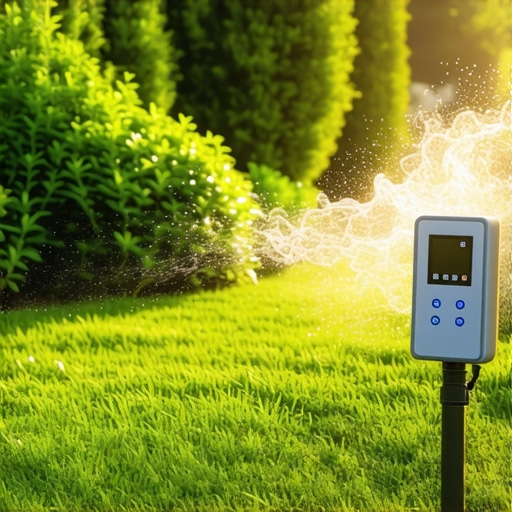
It was a sweltering Saturday afternoon when I finally realized how much water was disappearing from my lawn—without me even noticing. My sprinkler system was running again, but this time, I caught myself watching as a stream of water gushed out, barely hitting the grass before flooding the sidewalk. That moment—the sudden understanding of how I had been unknowingly wasting hundreds of gallons—hit hard. I knew I wasn’t alone in this struggle, and I was determined to find a smarter way.
Why Overwatering Is the Hidden Culprit in High Water Bills
Overwatering isn’t just a minor mistake; it’s a sneaky drain on resources and money. According to the Environmental Protection Agency, a typical lawn irrigation system can waste up to 50% of its water due to inefficiencies, translating to hundreds of gallons each week—especially when systems are old or poorly calibrated. That’s a ton of water and money wasted, and honestly, I was appalled at how effortlessly it was happening in my own backyard. Understanding this, I dove into the world of smart irrigation solutions to stop the madness.
If you’ve ever looked at your water bill and thought, “There has to be a better way,” then keep reading. I’ll share the exact steps I took—and what you can do—to curb water waste, save money, and finally get your irrigation system under control. Trust me, a few simple fixes can make a huge difference.
Is Smarter Irrigation Just Hype, or Can It Really Save You Money?
Initially, I was skeptical. Would upgrading my sprinkler timer or installing soil moisture sensors really reduce my water bills? Early in my journey, I made a common mistake: I assumed my existing system was working fine because I didn’t see obvious leaks or overspray. However, a simple calibration error in my smart timer led to overwatering for months. That’s when I realized the importance of proper setup and understanding your system’s nuances.
To get to the bottom of things, I explored reputable resources and discovered that many homeowners overlook basic calibration and minor adjustments, which can lead to significant waste. For example, recent studies indicate that even small irrigation inefficiencies can add up to thousands of gallons annually—costing hundreds of dollars. That’s why these smart fixes aren’t just trendy—they’re essential for an efficient lawn.
Ready to learn how you can start saving water today? Let’s dive into practical, proven strategies that will transform your approach to yard irrigation—and keep those gallons from slipping away in 2026 and beyond.
Assess Your Current System and Identify Wastes
Start by inspecting your irrigation setup. Turn on your sprinklers during a rainless day and observe for leaks, overspray, or dry patches. Notice areas where water pools or runs off—these are signs of inefficiency. Check for broken or misaligned nozzles, which can cause uneven watering and waste. I once found a cracked head spraying water onto concrete, which I fixed immediately, saving about 15 gallons per cycle. Regularly review your system for such issues to prevent water loss. To get detailed insights, see this guide on smart irrigation fixes.
Calibrate and Program Your Smart Timer for Precision
Proper calibration is key. Set your smart timer to water only during early morning or late evening hours to maximize absorption and reduce evaporation. Use local weather data—many smart systems can adjust based on rainfall forecasts. I once set my timer, and after a quick calibration, I reduced weekly water use by 20%. To optimize your settings, consider integrating weather stations or soil moisture sensors. For step-by-step guidance, check this resource: zone calibration steps.
Integrate Soil Moisture Sensors for Smart Control
Installing soil moisture sensors is like giving your system a brain. These sensors inform your controller when the soil needs water, preventing overwatering. I installed sensors in different zones, and they automatically adjusted watering times, saving hundreds of gallons monthly. Think of sensors as your yard’s personal hydration assistant—only watering when truly necessary. For installation tips and best practices, visit water-saving tips. Proper placement is critical; bury sensors at root zone depth for accurate readings.
Upgrade to Efficient Nozzles and Drip Systems
Replace old, inefficient nozzles with high-efficiency models that distribute water more evenly. Drip irrigation is perfect for flower beds and shrubs—delivering water directly to roots with minimal waste. I swapped out my spray heads for drip emitters, which reduced runoff and kept my garden lush. Think of this as switching from a watering can to a precision spray—less waste, better results. For expert advice, explore professional irrigation solutions.
Regular Maintenance and System Checks
Set a routine to flush nozzles, check for clogged emitters, and inspect valves. A clean system operates smoothly, saving water and preventing damage. I schedule monthly inspections, which uncovered a leaking valve that was wasting 30 gallons daily, fixed immediately. Think of it as a car tune-up—preventative care keeps everything running efficiently. Use this checklist to streamline your maintenance: yard checklist.
Optimize Your Yard Layout for Water Efficiency
Grouping plants with similar water needs and designing zones ensures no area gets over- or under-watered. Use landscape design principles to create dry and wet zones deliberately. I once reconfigured my yard, placing drought-tolerant plants in high-wind areas, reducing watering needs by 25%. Think of your yard as a well-orchestrated orchestra, with each zone playing its part. For ideas, see this landscaping strategy: system design tips.
Many homeowners assume that landscaping, irrigation, yard cleanup, and sod installation are straightforward tasks, but there’s a lot of nuance that often gets overlooked. One common misconception is that more watering always leads to a greener lawn. In reality, overwatering can cause root rot, nutrient leaching, and increased water bills, especially if the soil isn’t properly prepared or the system isn’t calibrated. Experts emphasize that understanding your soil type and moisture retention capacity is crucial—clay soils, for instance, require different watering strategies than sandy soils. Misjudging this can lead to frequent failures in establishing healthy sod, despite apparent effort. A surprising fact is that soil amendments and proper aeration can enhance water penetration, reducing the need for excessive irrigation, as supported by studies from the University of California Cooperative Extension.
Another falsehood is the belief that random yard cleanup or indiscriminate pruning improves landscape health. In fact, targeted pruning during the wrong season can stress plants or open them up to pests and diseases. Precise timing and method matter greatly; for example, pruning flowering shrubs right after bloom can prevent next season’s flowers. When installing sod, many neglect soil preparation, leading to uneven roots and patchy growth. The key is proper soil conditioning—removing compaction layers, amending with organic matter, and ensuring proper drainage prevent issues like root rot or poor rooting. For best results, think twice before rushing into any landscape project and consider the subtler aspects that determine success. Want to avoid these pitfalls? Check out expert tips on professional sod installation and irrigation strategies.
Ever think you need fancy tools or high-tech gadgets for a lush yard? Often, it’s the simple, overlooked details that make all the difference. For instance, undersized or misaligned sprinkler heads can waste water and cause uneven coverage—an easy trap to fall into without proper inspection. Moreover, new homeowners sometimes assume that upgrading to
Keeping It Working: Tools I Recommend
An effective landscape system doesn’t happen by chance; it requires the right tools and proactive maintenance. Over the years, I’ve refined my arsenal to ensure my irrigation, sod, and yard cleanup efforts are precise and long-lasting. One of my most valued tools is a high-quality, digital soil moisture meter, like the TDR (Time Domain Reflectometry) probes. I use these to verify soil moisture levels at various depths, ensuring my irrigation system provides water only where necessary, which greatly reduces waste and prevents root rot. Incorporating soil moisture sensors compatible with smart controllers can automate this process, making long-term maintenance effortless. For detailed guidance, see these smart irrigation fixes.
Additionally, I swear by a set of adjustable, high-gauge spray nozzles. They allow me to fine-tune watering zones, especially when dealing with uneven terrain or varied plant needs. Upgrading to efficient nozzles has directly cut my water bills by reducing overspray and runoff. A reliable, handheld pressure gauge is also indispensable; it helps me calibrate sprinkler heads and ensure uniform coverage, which is critical for healthy sod establishment as discussed in expert strategies.
I also rely heavily on a cordless power edger and a sturdy rake for yard cleanup. These tools expedite debris removal and edge definition, giving my yard a polished appearance without excessive manual effort. For maintenance of the irrigation system itself, I personally inspect and clean sprinkler heads weekly, using a small brush and a water jet to clear clogs—simple yet effective actions that prevent leaks and ensure proper coverage. Good maintenance extends the lifespan of your equipment and maintains system efficiency.
Looking ahead, I predict automation and smarter diagnostic tools will become more prevalent, making system upkeep even more intuitive. From automated drone inspections to AI-driven sensors, the future of landscape maintenance is leaning toward smarter, less labor-intensive solutions. To stay ahead, I recommend testing your system regularly with precise tools and integrating new sensor-based technologies whenever possible.
How Do I Keep My Equipment and Systems in Top Shape Over Time?
Key to sustained success is a disciplined maintenance routine. Schedule bi-weekly inspections for leaks, nozzle clogs, and system calibration. Keep spare parts like sprinkler nozzles and filters on hand so you can address issues promptly. Regularly updating your soil moisture data with quality sensors helps prevent over- or under-watering, which can damage your sod and landscape. For comprehensive lawn health, I suggest trying advanced testing tools like dielectric probes—these give more accurate readings than basic moisture meters and can inform better watering schedules. For expert tips on sod health and irrigation, visit professional recommendations.
The Hard-Earned Lessons That Changed My Yard Game
After experimenting with countless strategies to optimize my watering habits, I realized that the smallest oversight—like misaligned sprinkler heads or ignoring soil moisture levels—could undo even my best efforts. One of my biggest eye-openers was how easy it is to fall into habits that waste water without noticing, making me appreciate the importance of regular system checks and calibration. I also learned that integrating soil moisture sensors wasn’t just a gimmick but a game-changer, helping me water smarter, not harder. Most importantly, I understood that patience and consistent maintenance are key; a well-tuned system benefits my lawn and the environment alike, proving that mindful watering is a continuous journey, not a one-time fix.
The Tools That Turned My Yard Into a Water-Saving Oasis
Over time, I discovered some invaluable resources that I rely on heavily. First, a digital soil moisture meter revolutionized how I gauge my lawn’s needs—no more guesswork, just precise data. Next, high-quality adjustable nozzles allowed me to fine-tune each zone and eliminate overspray. For long-term monitoring, soil moisture sensors integrated with my smart controller have become essential, automating my watering schedule based on real-time conditions. Lastly, a reliable pressure gauge ensures my system operates at optimal pressure, preventing leaks and uneven coverage. These tools have collectively transformed my approach, making water conservation effortless and effective, and I highly recommend giving them a try.
Your Turn to Grow Smarter and Save
Remember, the secret to a lush, healthy lawn that doesn’t drain your water bills lies in small, consistent actions and the right tools. By adopting smarter irrigation practices, you’re not just improving your yard—you’re contributing to a more sustainable environment. Don’t wait for a high water bill to motivate change; start today with a simple system check or by installing soil moisture sensors. Your lawn, wallet, and the planet will thank you. Now, I’d love to hear—what’s the first step you’re planning to take to optimize your yard’s watering routine? Share your thoughts below and let’s grow greener together!