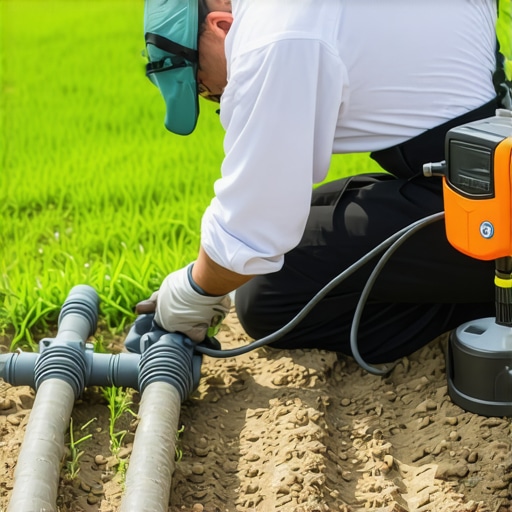
It was a scorching summer afternoon when I finally realized my sprinkler system was losing water—not just a little, but a significant amount that was silently draining my wallet. I had spent hours troubleshooting, only to find tiny leaks invisible to the naked eye. That lightbulb moment hit me hard: hidden leaks could devastate my irrigation budget without me even knowing it. If you’ve ever seen your water bill spike unexpectedly or noticed soggy patches in your yard when it hasn’t rained, you’re not alone. It’s a frustrating puzzle that demands a clever solution.
Why Detecting Leaks Early Matters More Than Ever
Detecting leaks isn’t just about saving water—it’s about saving money and preserving your landscape. According to the Environmental Protection Agency, households can waste more than 10,000 gallons of water each year due to unseen leaks, which translates into a hefty increase in your water bills. Plus, unresolved leaks can cause long-term damage to your soil and roots, leading to dead spots and costly repairs.
Having learned this the hard way, I started exploring smarter ways to keep my irrigation system in check. Early detection can prevent minor issues from escalating into major, expensive problems—saving you both time and cash. Are you tired of digging up your yard only to discover a leak months later? If so, you’re in the right place. I’ve uncovered some leak detection hacks that are surprisingly simple and effective, and I’ll be sharing them with you.
But before diving into practical tips, I want to address a common skepticism: “Are leak detection hacks really worth the hype?” To be honest, I used to think that small leaks weren’t worth worrying over—until I learned that just a few drips per minute can waste hundreds of gallons a month. Early on, I made the mistake of ignoring minor leaks, assuming they would fix themselves. Trust me, that was a costly mistake. Regular inspections and quick fixes are the best ways to protect your yard and your budget.
Now, let’s explore some proven leak detection strategies that you can implement right away. From simple visual checks to more advanced methods, these hacks will help you save water and money in 2026—and beyond.
Start with Visual Inspection of Your Irrigation System
Pull out your garden hose and walk along your sprinklers, pipes, and connections. Look for obvious signs of leaks such as wet patches, soggy soil, or broken sprinkler heads. I once noticed a small puddle forming beneath a misaligned sprinkler after a storm, which turned out to be a leaking seal that needed replacement. This simple check, performed on a bright Saturday morning, saved me from later water wastage and lawn damage.
Monitor Water Pressure and Flow
If you see uneven watering or dry patches despite a full system, use a pressure gauge to assess your irrigation line’s pressure at the timer or valve main. Think of your system like a garden plumbing: if one section shows significantly lower pressure, it indicates a clog or leak downstream. I connected a pressure gauge from my local hardware store to my system, which revealed a sudden drop in pressure in one zone—prompting me to inspect and repair a cracked pipe. This step is crucial for unmasking leaks that are not immediately visible.
Conduct a Dye Test for Hidden Leaks
Is your yard still losing water despite no visible leaks? Apply food coloring or leak detection dye inside the pipes or sprinkler heads. Wait an hour, then check for colored water emerging from any unexpected spots or underground joints. I used this method after noticing my lawn’s dry patches, and found dye seeping from a corroded underground connector—an issue that required immediate attention. The dye test provides a visual confirmation that helps pinpoint invisible leaks without digging up your yard unnecessarily.
Use Sound and Pressure Equipment for Advanced Detection
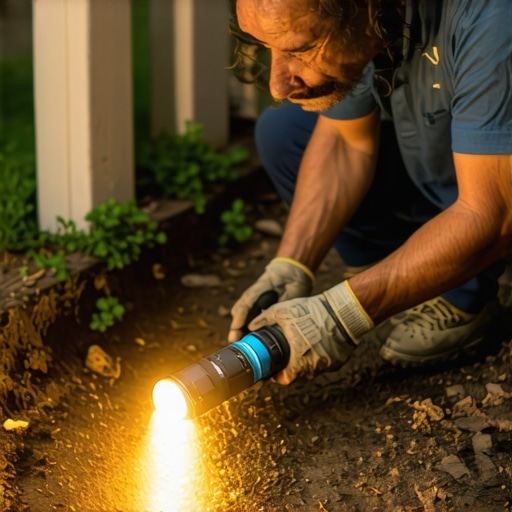
If basic inspections fail, consider using electronic leak detectors or listening devices that can pick up the faint hissing sound of escaping water. These tools act like a stethoscope for your irrigation lines, making hidden leaks audible. I rented such a device and, by walking along the underground pipes, could precisely identify the leak location beneath my flowerbed, saving me hours of guesswork. For more detailed guidance on leak detection tools, visit this guide on leaky pipes.
Mark Problem Areas for Future Reference
After locating a leak, mark the spot with biodegradable flags or spray paint for easy access during repairs. This prevents misidentifying the same issue twice and streamlines repair efforts. I recommend taking photos and notes about each leak location, especially if you plan to hire a professional or try DIY fixes later. Keeping track ensures that you don’t overlook any problem spots and helps maintain your irrigation system’s efficiency.
Regular Maintenance and System Calibration
Prevent future leaks by regularly inspecting your system, cleaning clogged nozzles, and checking pressure levels. Conducting a calibration of your zones ensures even watering and reduces undue stress on pipes. I set a reminder for seasonal system checks, which included inspecting for leaks and adjusting spray patterns. Proper maintenance vastly reduces leak risks and keeps your yard lush with less water waste.
While many homeowners believe they’re doing everything right with irrigation, sod installation, landscaping, and yard cleanup, there are nuanced pitfalls that often go unnoticed by even seasoned enthusiasts. One prevalent misconception is that uniform watering always yields a lush, healthy lawn. In reality, this can lead to overwatering in some areas and drought stress in others, especially if your system isn’t properly calibrated for your soil type and plant needs. Experts suggest that targeted zone calibration, like following the detailed steps outlined in this guide, can dramatically improve irrigation efficiency and lawn health.
Investing in Reliable Equipment for Long-Term Success
When it comes to maintaining an efficient irrigation system or ensuring your sod stays healthy, having the right tools makes all the difference. I personally swear by a professional-grade digital soil moisture meter, like the 50 model from ARMX . This device allows me to quickly assess soil moisture levels at various depths, ensuring I don t over- or underwater my lawn. Using such precise tools helps optimize watering schedules, conserving water and promoting healthy root growth. Additionally, a high-quality flow meter attached directly to my garden hose helps identify irregular flow patterns, revealing hidden leaks before they become costly issues.
Embracing Smart Technology for Lawn Management
In recent years, smart irrigation controllers have revolutionized how homeowners manage watering. I adopted a Wi-Fi-enabled controller that I can monitor and adjust from my phone, integrating weather forecasts and soil moisture data to automate watering runs. This system reduces water waste by only irrigating when the yard truly needs it, aligning with the trend toward sustainable gardening. Future advancements are likely to incorporate AI-driven sensors that predict dry spots or overwatering, further tightening control over your yard’s health.
How do I keep my irrigation and landscaping tools functioning over time?
Regular maintenance is key. For irrigation, I flush filters and clean nozzles at least once per season and check for signs of wear or corrosion, referencing expert advice from this comprehensive guide. For my sod installation tools, I sharpen blades regularly and sanitize equipment after use to prevent disease spread. Investing in quality tools pays off long-term, reducing repair costs and ensuring optimal performance season after season. I also keep a set of spare diaphragms and valves handy, allowing for swift repairs without waiting for parts.
Scaling Up While Maintaining Precision
If your yard or landscaping project grows larger, your equipment should scale accordingly. For extensive irrigation, I recommend a programmable zone control system with individual valves, allowing precise watering for different areas. This setup, combined with moisture sensors, helps you avoid overwatering lawns and understating flower beds. As properties expand, the importance of proper calibration becomes even more apparent, which is why I dedicate time each year to re-evaluate system zones, following steps outlined here. Properly calibrated systems prevent wastage and promote healthier, more resilient landscapes.
Long-term Maintenance to Keep Things Running Smoothly
Establishing routines for seasonal inspections and calibrations ensures your systems operate efficiently all year. I schedule a comprehensive check-up at least twice annually, inspecting for leaks, clogged nozzles, and pressure imbalances. Incorporating a preventive mindset helps catch issues before they escalate, saving time and money. For example, replacing worn-out parts promptly based on internal inspection logs ensures system longevity. Predictive maintenance software is also starting to become available, providing alerts on component degradation, much like in industrial applications. Keeping your equipment clean and well-maintained supports sustainable yard management and helps you avoid costly repairs down the line.
Try This Advanced Tip Today
One method that has personally transformed my maintenance routine involves using a digital pressure gauge to verify system pressure at multiple zones. According to this expert resource, consistent pressure across zones ensures even water distribution. I recommend setting up a monthly check, adjusting pressure regulators as needed, and documenting the data. This proactive approach prevents dry patches and minimizes stress on your pipes—saving you headaches in the long run. Don’t wait; pick up a high-quality pressure gauge today and see the difference it makes in your lawn’s health.Throughout my journey in maintaining beautiful lawns and thriving landscapes, I’ve uncovered some hard-earned lessons that didn’t come from textbooks but from real-world experiences. One of the most profound realizations was that even the smallest oversight, like neglecting a minor sprinkler leak, can snowball into costly damage and wasted resources. The biggest breakthrough was understanding that **consistent vigilance and embracing smart tools** are your best allies in preserving your yard’s health. For instance, I once dismissed a slow drip, only to find months later that it had caused significant underground damage—a mistake that countless homeowners might unwittingly repeat. It taught me that **regular checks, no matter how small**, save time and money in the long run. Another lesson was that **investing in quality equipment and staying updated with innovations**, like moisture sensors or smart controllers, transforms yard care from a chore into an efficient, almost effortless routine. Waiting for problems to surface is no longer an option when you have the right systems in place; prevention truly beats cure in landscape management. Finally, I realized that **sharing knowledge and learning from experts speeds up your progress**. Resources like this guide and practical tools have been invaluable in my quest to create sustainable, vibrant outdoor spaces. Remember, the key to a resilient and beautiful yard is not just hard work but smart strategies—so keep educating yourself and embracing new techniques. What unexpected lesson about yard maintenance surprised you most? Share your story below!