
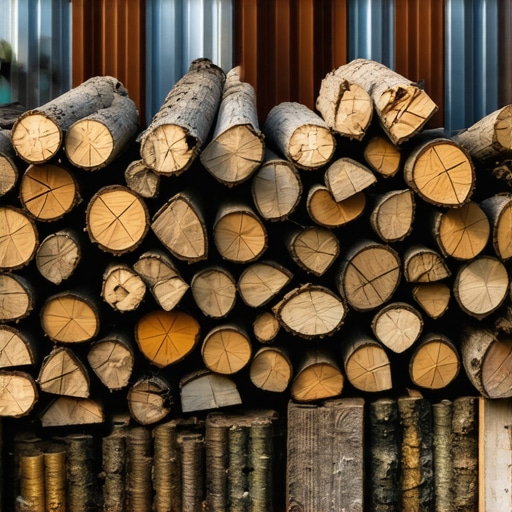
The Foundation of Every Landscape Starts with Site Sanitation
Distinguishing wood debris from trash is the first step in yard cleanup because wood can be repurposed as biomass, while trash—including treated lumber and plastics—contaminates the soil pH and prevents successful sod install by leaching toxins into the rhizosphere. I always drill into my new crew members: if you don’t fix the soil grading and clear the debris first, every plant you put in the ground is just expensive compost. Last season, we had a client who insisted on laying sod over a ‘light’ layer of buried construction scraps. Three months later, the lawn looked like a topographical map of the moon because the buried wood started rotting, creating massive nitrogen voids and sinkholes. We had to rip the whole thing out. It was a $12,000 mistake that could have been avoided with a dumpster and a little sweat. Site prep isn’t the pretty part of landscaping, but it is the part that dictates whether your yard survives the next five years. You cannot build a biological system on top of a landfill. Period.
The Critical Distinction Between Organic Wood and Non-Biodegradable Trash
Identifying the material in your backyard piles determines your disposal strategy: organic wood can often be chipped or composted to improve soil structure, whereas trash—specifically pressure-treated wood, plastics, and metal—must be hauled to a municipal landfill to prevent groundwater contamination and soil toxicity. When we talk about wood in a landscaping context, we are talking about ‘green waste.’ This includes fallen limbs, stumps, and brush. This material is carbon-rich. Trash, however, is a biological dead end. If you see blue or green tints on a piece of wood, that is CCA or ACQ pressure treatment. That stuff contains arsenic or high levels of copper. It doesn’t rot like a fallen oak limb; it poisons the microbes in your soil.
“Excessive organic matter buried beneath the soil surface leads to anaerobic decomposition, resulting in localized soil subsidence and methane production.” – USDA Soil Quality Technical Manual
This quote isn’t just academic theory. When you bury wood, you create an oxygen-starved environment. The microbes that break down wood need nitrogen to do their jobs. If they are underground, they will rob that nitrogen from your grass roots. This is called nitrogen immobilization. You’ll see your grass turn yellow and stunted, and no amount of fertilizer will fix it because the rotting wood underneath is winning the tug-of-war for nutrients.
How do I prep soil for new sod after a cleanup?
Prepping soil for sod install requires removing all debris piles, tilling the top 6 inches of soil to alleviate compaction, and incorporating organic amendments to achieve a neutral pH level. You need a clean slate. Any pebble larger than a golf ball needs to go. Any scrap of plastic or treated wood needs to be in a bin. We use a Harley rake for this. It screens the soil and pushes the trash into manageable windrows. Once the trash is gone, we test the soil. If the piles were sitting there for years, the soil underneath is likely compacted and anaerobic. It will smell like rotten eggs. That’s sulfur. You need to turn that soil and let it breathe for at least 48 hours before the first roll of sod touches the ground. If you skip the aeration phase, the roots of your new sod will hit that hard, sour soil and just stop. We call it ‘J-rooting,’ where the roots turn sideways because they can’t penetrate the shelf. It is the leading cause of sod failure in residential projects.
| Material Type | Disposal Method | Impact if Buried | Recycle Potential |
|---|---|---|---|
| Untreated Pine/Oak | Chipping or Haul-off | Nitrogen Drawdown | High (Mulch) |
| Pressure Treated Wood | Landfill Only | Heavy Metal Leaching | Zero |
| Plastic/Poly Film | Recycling Center | Blocks Drainage | Moderate |
| Concrete/Brick Scraps | Clean Fill Site | Changes Soil pH | High (Road Base) |
The Engineering of Site Clearing: Hydrostatic Pressure and Decay
Proper yard cleanup involves more than just moving piles; it requires managing hydrostatic pressure and sub-grade integrity by ensuring that buried organic matter does not create voids that disrupt irrigation lines or hardscape stability. When a pile of wood sits on the ground, it compresses the soil. When it rots, it leaves a hole. If your irrigation pipes run through these areas, they will eventually sag and crack. We see it all the time in 2026-era developments where contractors ‘stump-buried’ debris to save on haul-off costs. Ten years later, the homeowner has a broken main line and a collapsed patio.
“Irrigation efficiency is dictated by the uniformity of the subgrade; debris-filled soils create preferential flow paths that starve root zones.” – Irrigation Association Standards
You have to think like an engineer. Water follows the path of least resistance. If you have a ‘soft’ spot where a pile of wood once was, water will pool there. This creates a fungal hot zone. Your Pythium and Rhizoctonia levels will spike, and your lawn will melt away in the summer heat. Don’t be the guy who thinks a pile of wood is ‘natural’ and therefore fine to leave. It is a structural hazard for your landscaping.
What is the fastest way to clear a backyard for landscaping?
The most efficient way to clear a backyard is to rent a skid steer with a grapple attachment to separate heavy wood from trash, followed by a 20-yard roll-off dumpster for non-organic disposal and a brush chipper for clean organic waste. Efficiency is about sorting at the source. Don’t throw everything into one big heap. Make two piles: one for the landfill and one for the chipper. This saves you hundreds in tipping fees. Most municipalities charge less for ‘clean green’ waste than they do for mixed construction and demolition debris. Once the piles are gone, you need to address the footprint. We use a 1,000-lb vibratory plate compactor on the soil where the piles sat. You want to see that soil ‘bounce’ back. If it feels spongy, you still have organic trash buried. Dig it out. It is better to spend an extra four hours with a shovel now than to spend four days re-grading your yard in two years when it sinks. [image-placeholder]
Strategic Irrigation and Sod Integration Post-Cleanup
Integrating a new irrigation system after a yard cleanup requires a ‘head-to-head’ coverage plan that accounts for the soil absorption rates of the cleared areas, ensuring the new sod install receives 1 inch of water per week through deep, infrequent cycles. Most homeowners think irrigation is just about getting the grass wet. Wrong. It is about soil moisture management. After you clear those piles, your soil density is going to be inconsistent. Areas where heavy wood sat will be more compacted. You need to cycle-and-soak. This means running your zones for 10 minutes, letting the water soak in for 30, and then running them again. This forces the water deeper into the profile. This is how you grow deep roots. If you just spray the surface for 20 minutes every morning, you’re just growing a shallow-rooted, weak lawn that will die the first time the temp hits 95 degrees. Roots chase water. If the water is only in the top inch, the roots stay in the top inch. This makes the grass susceptible to ‘scalping’ during mows and drought stress.
- Step 1: Sort debris into ‘Clean Wood’ and ‘Landfill Trash’ immediately to avoid cross-contamination.
- Step 2: Call 811 to mark underground utilities before any deep excavation or tilling.
- Step 3: Remove all surface organic matter until you hit mineral soil.
- Step 4: Grade the area with a 2% slope away from the home foundation to prevent basement flooding.
- Step 5: Install irrigation laterals at a depth of 8 to 12 inches to protect them from future aeration.
- Step 6: Apply a starter fertilizer with a high phosphorus count (the middle number on the bag) to encourage root growth.
Maintenance Protocols: Keeping the Site Clear
A successful yard cleanup is not a one-time event but a maintenance standard that involves keeping wood vs trash separated during seasonal pruning to ensure your landscaping remains healthy and your sod remains level. Don’t let new piles start. As soon as you prune a tree, chip it or haul it. Never let wood touch the soil for more than a month, or you’ll start the nitrogen-drawdown process all over again. If you’re doing a DIY sod install, buy your sod from a local farm, not a big-box store. Nursery-direct sod is cut and delivered within 24 hours. The stuff sitting in a parking lot at a hardware store has been heating up on a pallet for three days. The roots are likely already dead from ‘pallet burn.’ You want fresh, moist rolls that smell like earth, not ammonia. Once it is down, stay off it for 14 days. No dogs, no kids, no lawnmowers. Let those roots knit into the soil you worked so hard to clean. It takes discipline, but the result is a lawn that looks like a golf course instead of a vacant lot. Stop looking for shortcuts. In this business, shortcuts lead to the dump.