
The Structural Aftermath of the 2026 Storms: A Forensic View of Landscape Devastation
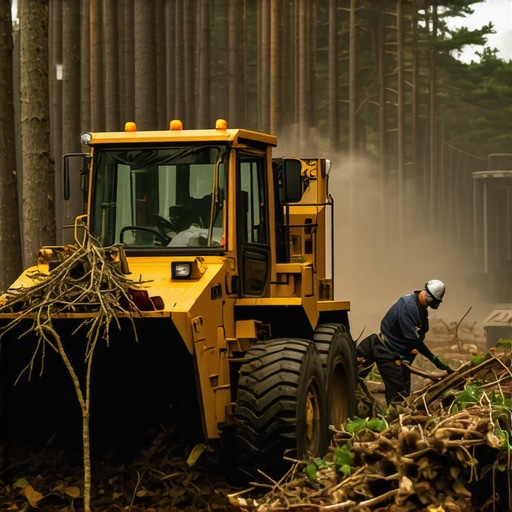
The 2026 storm season left a trail of fractured canopies and saturated root zones that most property owners are still struggling to navigate. To clear 2026 storm debris efficiently using the Fast Branch Drag Method, you must leverage mechanical advantage and pivot physics to minimize soil compaction and protect the root flare of remaining trees, ensuring the ground is prepped for immediate sod installation and irrigation repair.
I always drill into my new crew members: if you don’t fix the soil grading first, every plant you put in the ground is just expensive compost. After the heavy rains of 2026, I saw a homeowner in the suburbs trying to drag a massive oak limb with a pickup truck. He didn’t just move the branch; he ripped a four-inch trench through his clay subsoil, creating a localized drainage failure that would cost him five figures to remediate. He didn’t understand that the weight of the debris, when dragged improperly, acts like a structural plow. You have to think about the hydrostatic pressure in the soil. When the ground is at field capacity, any heavy lateral movement causes shearing at the micro-pore level. This kills the aerobic bacteria your lawn needs to thrive. We don’t just move wood; we preserve the biological integrity of the site.
“A retaining wall doesn’t fail because of the stone; it fails because of the water trapped behind it.” – Hardscape Engineering Axiom
The Mechanics of the Fast Branch Drag Method
The Fast Branch Drag Method is an engineered approach to debris removal that focuses on the center of gravity and ground contact pressure to move maximum tonnage with minimum turf disturbance. By utilizing a “leading edge lift” technique, we reduce the friction coefficient and prevent the branch from biting into the topsoil. This is critical if you are planning a yard cleanup that leads into a fresh sod install. If you scalp the earth during the cleanup, your new sod will never establish a deep root system because you’ve effectively pre-compacted the landing zone. We use high-tensile rigging to create a sled effect. It’s about physics, not brute force. You aren’t just clearing a mess; you are prepping a seedbed.
How do you clear large tree branches after a storm?
Clearing large branches requires mechanical leverage and directional felling principles applied to the ground plane to avoid soil anaerobic compression. You must identify the balance point of the debris, use a skidding plate to protect the turf crown, and ensure the irrigation heads are flagged to prevent lateral line fractures during the drag process.
| Tool Type | Primary Function | Soil Impact Rating |
|---|---|---|
| Skidding Plate | Reduces ground friction | Minimal |
| Compact Utility Loader | Weight distribution | Medium |
| Manual High-Lift Jack | Vertical leverage | None |
| Grapple Attachment | Direct lift and carry | Low (if tracked) |
The Biological Cost of Improper Cleanup
When you drag heavy limbs across a rain-soaked yard, you are destroying the soil structure. I’ve seen it a thousand times. The pressure collapses the macropores that allow oxygen to reach the roots. This leads to a fungal nightmare. You’ll see Phytophthora or Pythium root rot setting in months after the cleanup is finished. This is why we advocate for the Fast Branch Drag Method. It treats the lawn as a living organism. Most guys just want to get the wood to the curb. We want to ensure that the irrigation system can still breathe and that the landscaping isn’t compromised by the very act of cleaning it up. We check the pH levels immediately after a major storm because the infusion of acidic rainwater and decaying organic matter can swing your levels by a full point in days.
“Soil compaction is the single most overlooked factor in urban tree decline following catastrophic weather events.” – USDA Forest Service Technical Manual
Does dragging branches damage existing sod?
Dragging branches will cause severe crown damage and rhizome shearing if the debris is not elevated or placed on protective mats. To prevent sod failure, you must use plywood sheets or ground protection mats along the primary drag path to distribute the psi load across a wider surface area, protecting the grass blades from mechanical crushing.
The Restoration Checklist: Moving from Debris to Design
- Flag all irrigation emitters and valve boxes before any mechanical equipment enters the site.
- Cut debris into manageable 6-foot sections to maintain control over the pivot point.
- Apply a high-calcium lime treatment if soil acidity has spiked due to prolonged saturation.
- Inspect the root flares of surviving trees for mechanical scarring that requires arborist-grade sealing.
- Check the grading to ensure storm runoff hasn’t created new low-point basins.
Engineering the Recovery: Sod and Irrigation Integration
Once the debris is gone, the real work begins. You can’t just throw down sod and hope for the best. You need to verify that your irrigation system survived the weight of the fallen timber. We often find that lateral lines have been crushed by the impact force of falling limbs. We perform a full pressure test on the mainline before the first piece of turf goes down. If you have a leak, your new sod will drown in some spots and starve in others. It is about water uniformity. We look for a Coefficient of Uniformity of at least 80 percent before we sign off on a landscaping project. Don’t let a storm cleanup crew ruin your long-term investment. Do it right, or you’ll be doing it twice.