
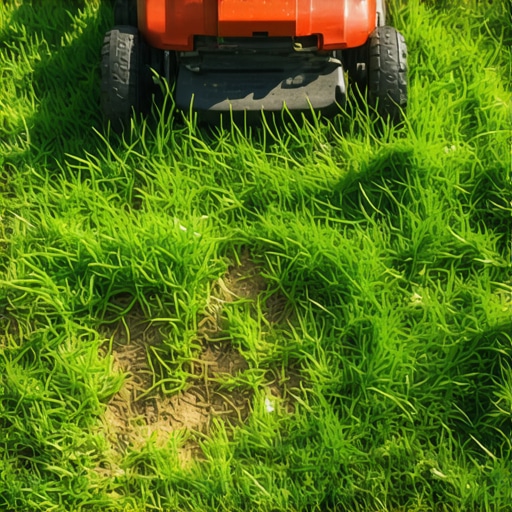
The Orange Dust Warning: Why Your Lawn Is Bleeding Rust
Lawn rust fungus is a common but aggressive fungal pathogen, typically involving the Puccinia or Uromyces genera, which thrives on nitrogen-deficient turfgrass during periods of high humidity and cool nights. It appears as powdery, orange-to-yellow pustules on grass blades that easily rub off on shoes, mower decks, and pet fur, indicating a breakdown in the plant’s immune system and cellular structure. If you see that orange haze on your boots, your turf is in a state of physiological stress.
I always drill into my new crew members: if you don’t fix the soil grading and maintenance height first, every plant you put in the ground is just expensive compost. I remember a site in late 2024 where a homeowner had spent four figures on high-end Kentucky Bluegrass sod, only to let it grow to five inches and then scalp it down to one inch with a dull blade. Within forty-eight hours, the entire backyard looked like it had been sprayed with orange spray paint. The homeowner thought it was a chemical burn. It wasn’t. It was a textbook case of rust fungus brought on by acute mechanical stress and poor air circulation. We had to spend three weeks remediating the soil biology because he had essentially invited the spores to a buffet. Don’t be that guy. Understanding the biology of your yard is the difference between a functional ecosystem and a muddy pit.
The 5-Minute Hack: Deck Height and Sanitation
The fastest way to arrest the spread of lawn rust is a two-fold mechanical adjustment: raise your mower deck to at least 4 inches and sanitize the undercarriage immediately after use to prevent spore translocation. By increasing the height of the cut, you are leaving more leaf surface area for photosynthesis, which allows the plant to produce the carbohydrates necessary to outgrow the fungal infection. Most homeowners scalp their lawns, which triggers a hormonal stress response in the grass, making it a sitting duck for Puccinia spores. If you are cutting lower than 3 inches during a rust outbreak, you are effectively killing your lawn. Stop it.
Why 4 Inches is the Magic Number?
Raising the mower height to 4 inches provides immediate shading for the soil surface, which helps regulate soil temperature and moisture levels. A taller canopy also facilitates better gas exchange at the base of the plant. When you cut grass too short, you reduce the root depth in a direct 1:1 ratio. Short grass equals shallow roots. Shallow roots cannot access the deep-soil nitrogen required to fight off fungal pathogens. Spend five minutes adjusting those wheel height pins today. It costs zero dollars and provides more benefit than a hundred-dollar bag of synthetic fungicide.
“A lawn’s resistance to disease is directly proportional to its photosynthetic capacity; keeping the mower deck high is the first line of defense against obligate parasites like rust.” – Agronomy Manual for Professional Turf Managers
The Forensic Autopsy of a Nitrogen-Starved Lawn
Rust fungus is an ‘obligate parasite,’ meaning it needs a living host to survive, and it specifically targets weak, slow-growing grass. When a lawn is deficient in Nitrogen (N), the growth rate slows to a crawl. This slow growth allows the fungal spores to complete their life cycle on a single leaf blade before it is ever mowed off. In a healthy, fast-growing lawn, you would mow off the infected tips before the pustules could rupture and spread. If your lawn is orange, it is screaming for a nitrogen injection. However, you cannot just dump high-analysis urea on it and hope for the best; you will cause a salt burn. You need a balanced, slow-release approach to bridge the gap.
How do I identify rust fungus before it spreads?
Early identification of lawn rust requires looking for small, light-yellow flecks on the leaf blades. These flecks are the initial sites where the fungal mycelium has penetrated the plant’s cuticle. Within days, these flecks swell into raised pustules that rupture, releasing thousands of urediniospores. These spores are wind-borne and water-borne. If you walk through the lawn and your white sneakers turn orange, the infestation is already systemic. You need to act before the fungus reaches the crown of the plant, which can lead to total stand loss during the winter dormancy period.
| Nitrogen Source | Release Speed | Risk of Burn | Impact on Rust Fungus |
|---|---|---|---|
| Urea (46-0-0) | Fast | High | Quick recovery, but high risk of thatch buildup |
| Ammonium Sulfate | Medium | Moderate | Lowers soil pH, helpful in alkaline soils |
| Methylene Urea | Slow | Low | Best for long-term fungal resistance |
| Milorganite (Organic) | Very Slow | Zero | Builds soil microbes but slow to stop active rust |
Beyond the Hack: Irrigation and Soil Remediation
Your irrigation habits are likely the primary reason the fungus took hold in the first place. Fungal spores require a film of water on the leaf surface to germinate. If you are watering your lawn at 6 PM, you are leaving the grass wet for 12 to 14 hours overnight. This is a primary incubator for disease. You must transition to a ‘deep and infrequent’ watering schedule. Aim for 1 inch of water per week, delivered in a single session between 4 AM and 8 AM. This allows the rising sun to evaporate excess moisture from the leaf blades while the water soaks deep into the root zone. This forces the roots to chase the moisture downward, creating a more resilient plant.
How much water does a rust-infected lawn actually need?
An infected lawn needs exactly 1 inch of water per week, no more, no less. You can measure this by placing empty tuna cans around the yard and timing how long it takes to fill them. If your irrigation system is hitting the side of the house or the driveway, you are wasting water and creating localized wet spots where fungus will thrive. Proper landscaping isn’t just about aesthetics; it’s about the precision of resource delivery. Check your sprinkler heads for clogs and ensure 100% head-to-head coverage to avoid ‘drought stress’ patches that are susceptible to rust.
“Pathogen pressure in turfgrass is often a symptom of poor sub-surface drainage and improper irrigation timing rather than the presence of the pathogen itself.” – Penn State Extension: Turfgrass Pathology
The 7-Day Rust Eradication Protocol
- Adjust mower height to 4 inches immediately.
- Sharpen mower blades to ensure a clean, surgical cut.
- Apply a slow-release nitrogen fertilizer (e.g., a 20-0-10 blend).
- Shift irrigation to early morning (4 AM to 8 AM).
- Wash the mower deck with a 10% bleach solution after every cut.
- Bag your clippings for the next two mows to remove spore load.
- Core aerate if the thatch layer exceeds 0.5 inches.
When to Give Up: Sod Install vs. Recovery
If your lawn has more than 60% coverage of rust and the grass blades are beginning to shrivel and turn brown (senescence), you may be past the point of cultural recovery. In these cases, a sod install might be your only option to save the 2026 season. However, do not just lay new sod over the old, diseased turf. You must strip the old lawn, remediate the soil with organic matter, and address any yard cleanup issues like overgrown brush that might be blocking sunlight. Rust loves shade. If you have low-hanging tree limbs, prune them back to increase UV penetration and airflow. Sunlight is the best natural fungicide available.