
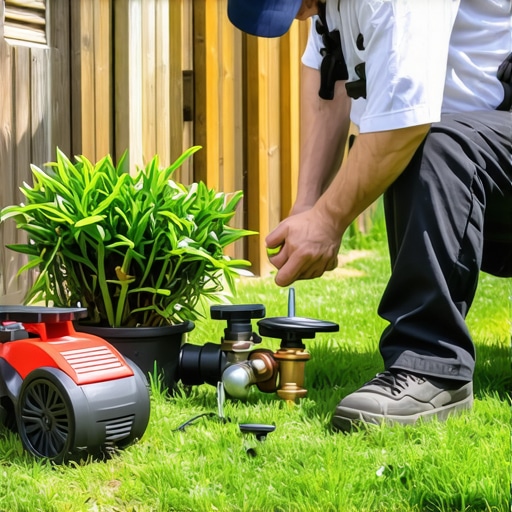
Why a Sprinkler Zone Stays On After the Controller Shuts Off
A sprinkler zone that won’t shut off is typically caused by a mechanical failure in the valve diaphragm, a malfunctioning solenoid, or debris trapped in the valve seat. These issues prevent the internal rubber seal from seating properly against the valve body under system PSI, leading to constant water flow even when the electrical signal is cut. You cannot ignore this. It will rot your turf and skyrocket your utility bill.
The Apprentice Lesson: Why Engineering Precision Matters
I always drill into my new crew members: if you don’t fix the soil grading and flush your lines first, every plant you put in the ground is just expensive compost. I remember a job back in ’08 where a junior tech installed twelve new valves without flushing the main lateral. The next morning, six zones were running wide open, flooding a newly laid $15,000 pallet of Kentucky Bluegrass. A tiny grain of sand—no bigger than a pinhead—had lodged itself in the valve seat. That grain of sand cost us three days of labor and a complete sod replacement. Irrigation isn’t just plumbing; it’s a calculated battle against physics and particulate matter.
“A sprinkler valve is a pressure-differential device; if the pressure on top of the diaphragm doesn’t exceed the pressure below it, the valve cannot close.” – Irrigation Association Technical Manual
The Anatomy of an Irrigation Failure
When you are dealing with a 2026-era irrigation valve, you are dealing with high-performance glass-filled nylon and EPDM rubber. The failure is rarely the plastic itself. It is the physics. Most homeowners assume the controller sends a signal to ‘open’ the valve. In reality, the solenoid releases pressure from the top of the diaphragm, allowing the system’s own water pressure to lift the seal. If that pressure cannot equalize, the zone stays active. This is often exacerbated by poor yard cleanup practices where organic debris enters the valve box during heavy rains or improper maintenance. Below is a diagnostic table to help you identify the culprit.
| Symptom | Likely Cause | Repair Action |
|---|---|---|
| Constant weeping/slow leak | Debris in valve seat | Manual flush and seat cleaning |
| Zone stays fully active | Ruptured diaphragm | Replace diaphragm and spring |
| Humming sound at valve | Solenoid electrical short | Test ohms and replace solenoid |
| Water spraying from bonnet | Loose screws or cracked body | Tighten or replace valve assembly |
Step-by-Step Forensic Repair Protocol
Fixing a valve requires more than a screwdriver; it requires surgical cleanliness. If you introduce more dirt into the valve while trying to fix it, you have failed before you started. First, locate your main shut-off. Kill the water. Now, clear the landscaping debris from around the valve box. If the box is full of mud, pump it out. You need a clean workspace. Next, unscrew the solenoid (the cylinder with two wires). Check the plunger. If the plunger doesn’t move freely, it’s toast. If it does, move to the bonnet screws. Remove them in a star pattern to avoid warping the plastic housing. Lift the bonnet and inspect the diaphragm. Look for tears. Even a microscopic hole will prevent the valve from seating. Clean the rubber with fresh water. Do not use oils or lubricants; they will degrade the EPDM. Flush the line by turning the water on slightly while the valve is open to blow out any grit. Reassemble. Test. It is that simple, yet that complex.
How much water pressure do I need for my irrigation valves?
Most residential irrigation valves require a minimum of 20 PSI to close effectively and can handle up to 150 PSI. If your static pressure is too low, the spring inside the valve won’t have enough mechanical advantage to push the diaphragm down against the flow. Conversely, extreme surges can stretch the rubber, leading to premature failure. If you are doing a sod install, ensure your pressure regulator is dialed into 50-60 PSI for optimal misting and valve longevity.
Can a bad solenoid cause a sprinkler valve to stay open?
Yes, if the solenoid plunger is stuck in the ‘up’ position due to corrosion or mineral buildup, the bleed port remains open. This keeps the internal pressure imbalanced, and the valve will stay open indefinitely. A simple ohm test with a multimeter can tell you if the solenoid is electrically sound—usually looking for a reading between 20 and 60 ohms. If it’s outside that range, it’s trash.
The Environmental Cost of Irrigation Neglect
When a valve stays on, it isn’t just about the water bill. It is about the soil chemistry. Constant saturation leads to anaerobic conditions. Roots need oxygen. If you leave a zone running for 48 hours, you are effectively drowning the microbiology in the soil. This leads to fungal pathogens like Pythium or Brown Patch, which will tear through your landscaping faster than a lawnmower. If you see a squishy spot in your yard, don’t wait. Fix it. Every gallon wasted is a gallon that isn’t helping your plants thrive.
“Excessive soil moisture at the root zone limits gas exchange and promotes the development of root-rotting oomycetes.” – Penn State Agricultural Extension
The Master Landscaper’s Maintenance Checklist
- Monthly: Manually activate each zone via the bleeder screw to ensure mechanical function.
- Seasonal: Inspect valve boxes for root intrusion or pest nesting.
- Annual: Check system static and dynamic pressure at the furthest head.
- Post-Cleanup: Ensure all valve box lids are secured to prevent debris entry.
Irrigation is the lifeblood of a managed landscape. If the heart (the valve) fails, the rest of the body follows. Stop looking for ‘easy’ fixes and start understanding the engineering behind your yard. Use high-quality components and never, ever skip the line-flushing phase. Your turf will thank you. Your wallet will too.