
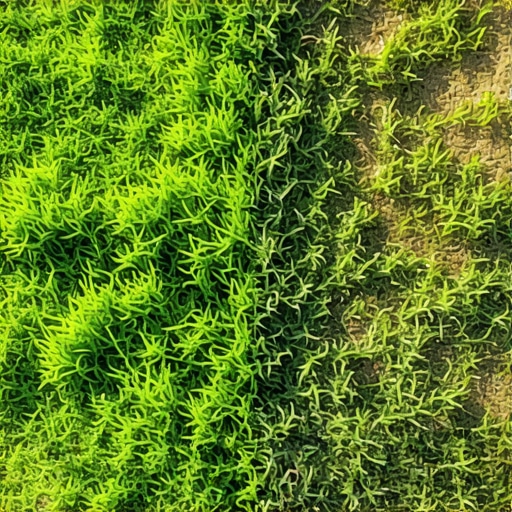
The $10,000 Brown Patch: A Forensic Landscape Autopsy
I recently got called out to a job site in late August to examine a $12,000 Zoysia installation that the homeowner was convinced was a total loss. The yard looked like a discarded wheat field: brittle, tan, and devoid of any green. The owner was ready to sue the installer and rip the whole thing out to start over. I spent twenty minutes with a soil probe and a pocket knife before I told him to put his checkbook away. The grass wasn’t dead; it was in a state of deep physiological dormancy brought on by a complete failure in irrigation timing and a spike in soil surface temperature. Most people see brown and think ‘death.’ In the world of high-end turf management, brown is often just a shield. If you rip up dormant sod, you are literally throwing away thousands of dollars of viable biological material. You need to understand the cellular mechanics of the plant before you commit to the skid steer. Every year, I see homeowners and ‘mow-and-blow’ hacks destroy perfectly salvageable yards because they don’t know the difference between metabolic shutdown and total systemic failure.
The Biological Definition of Turf Dormancy
Turf dormancy is a survival mechanism where the grass plant halts active growth and enters a metabolic rest state to protect the crown from environmental stressors like extreme heat, cold, or drought. This process involves the redirection of carbohydrates to the root system to ensure long-term survival.
“Dormancy is a protective mechanism where the plant redirects carbohydrates to the crown and root system to survive environmental extremes.” – Penn State Center for Turfgrass Science
This isn’t just ‘sleeping.’ It is a calculated biological retreat. When the soil temperature or moisture levels hit a critical threshold, the plant stops producing chlorophyll. This is why the blades turn that characteristic straw color. It is trying to save its heart, the crown, which sits just at the soil surface. If that crown stays hydrated and viable, the lawn can stay dormant for weeks, sometimes months, and bounce back as soon as conditions improve. Most dead lawns are the result of anaerobic soil conditions or complete crown desiccation, which is a very different animal than simple dormancy.
How long does it take for sod to root?
Under optimal conditions, new sod should begin developing white capillary roots within 7 to 14 days of installation. Full structural integration into the subgrade soil usually requires 3 to 6 weeks, depending on the grass species, soil temperature, and nitrogen availability in the root zone.
Test 1: The Tug Test for Structural Root Integrity
The tug test measures the level of root-to-soil anchorage by applying upward physical tension to a corner of the sod to see if the root system has knit into the underlying substrate. If you feel resistance, the plant is alive and actively trying to establish its footprint. Grab a handful of the brown grass and pull upward firmly. If the sod piece lifts up like a rug, you have a major problem: either the roots never started, or they have rotted away. If you feel a distinct ‘grab,’ those roots are alive. They are just hunkered down. Even if the top looks like a desert, that resistance tells you the vascular system is still functioning. It means the plant is still drawing some moisture and holding its ground. I tell my crew that a lawn that fights back is a lawn that can be saved. Don’t give up on a yard that is anchored. You just need to fix the environment that caused the shutdown in the first place.
Test 2: The Crown Examination and Scratch Diagnostic
The crown examination involves inspecting the base of the grass plant, where the blades meet the roots, to determine if the meristematic tissue remains firm and greenish-white. A living crown is the only thing that matters in turf recovery. Take a sharp knife and slice into the base of a few individual plants. You are looking for a fleshy, moist center. If the crown is mushy, black, or crumbles like dry tobacco, the plant is dead. If it is firm and has even a hint of off-white or light green color, the plant is simply dormant. It is a biological vault. As long as the vault is sealed, the DNA inside is safe. This is where most people fail. They look at the blade, which is the most expendable part of the plant, instead of the crown, which is the brain. In my 20 years of doing this, I’ve seen ‘dead’ lawns come back in 10 days once the crown was properly rehydrated and the soil pH was balanced.
When should I fertilize my new sod?
You should never apply high-nitrogen fertilizer to new sod until it has passed the tug test and established a functional root system. Applying nitrogen to dormant or unrooted sod can cause chemical burn or force the plant into premature growth that it cannot structurally support.
Test 3: Soil Temperature and Moisture Dynamics
Monitoring soil temperature and hydrostatic moisture levels allows you to determine if the lawn has entered dormancy due to environmental triggers or if the irrigation system has failed to provide life-sustaining hydration.
“A retaining wall doesn’t fail because of the stone; it fails because of the water trapped behind it, and a lawn fails for the same reason: poor drainage leading to root rot.” – Hardscape Engineering Axiom
If your soil is bone dry and hard as a rock, the grass is likely dormant from drought. If the soil is muddy, smelly, and gray, your sod is dead from root rot or anaerobic stress. Use a soil thermometer. If the surface temp is over 95 degrees, most cool-season grasses will check out. They aren’t dead; they’re hiding. Check your irrigation. You don’t want ‘wet’ soil; you want ‘moist’ soil. There is a massive difference in the oxygen levels between the two. Grass roots need oxygen just as much as water. If you’ve been ‘saving’ your lawn by watering it four times a day, you’ve probably drowned it. That is death, not dormancy.
| Symptom | Dormant State | Dead State | Diagnostic Action |
|---|---|---|---|
| Color | Uniform Tan/Straw | Patchy Brown/Black/Gray | Visual Inspection |
| Texture | Brittle but Flexible | Crunchy and Crumbles | Hand Feel |
| Root Grip | Strong Resistance | Lifts easily like a rug | The Tug Test |
| Crown Base | Firm, Off-White/Green | Mushy, Black, or Dried Out | Knife Slice Test |
| Recovery Potential | High (with proper care) | Zero (requires replacement) | Wait 14 days |
The 21-Day Sod Recovery Protocol
- Audit the Irrigation: Ensure you are delivering 1 inch of water per week, delivered in deep, infrequent sessions to encourage downward root growth.
- Stop the Chemicals: Cease all herbicide and high-nitrogen fertilizer applications immediately. The plant cannot process them while dormant.
- Check the Grade: Ensure water isn’t pooling in low spots. Standing water for more than 4 hours will kill new sod.
- Core Aeration: If the soil is compacted, the roots can’t breathe. Aeration is the only way to get oxygen to the rhizosphere.
- The Waiting Game: If the crown is firm, give the lawn 14 to 21 days of consistent, proper moisture before making a replacement decision.
It won’t be easy. You have to resist the urge to ‘fix’ it with more chemicals. Most yard cleanup jobs I see involve removing sod that would have been fine if the homeowner just stopped messing with it. Landscaping is a game of patience and biology. If you’ve got a solid base layer and your irrigation is dialed in, the grass will find its way back. Don’t skip the diagnostics. Don’t be the guy who pays for the same lawn twice because he couldn’t handle a little bit of brown grass in the summer heat.
Comments are closed.