
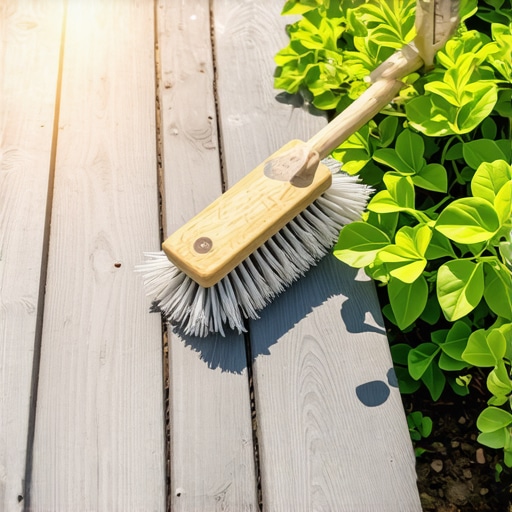
The Forensic Autopsy of a Dead Deck
I recently got called out to tear up a $30,000 deck and patio installation that was sinking and rotting because the previous contractor ignored the basic laws of hydrostatic pressure and wood cell biology. The cedar was silvered, brittle, and covered in a black film of Cladosporium mold. The homeowner thought they needed a full replacement. They didn’t. They just needed to stop using a 4000 PSI pressure washer that was blowing the soft earlywood right out of the grain, leaving behind a jagged, hairy mess that invited moisture into the core of the boards. Cedar is a resilient species, but it is not invincible against the combined assault of UV-lignin degradation and improper maintenance tools. Most people treat their yard cleanup like a weekend hobby; I treat it like an engineering problem. If your deck looks like driftwood, it is because the lignin—the organic glue holding the cellulose fibers together—has been scorched by the sun and colonized by fungi. You do not need a heavy machinery rental to fix this. You need a $10 stiff-bristle scrub brush and the right chemistry.
Why Cedar Decks Turn Grey and Lose Structural Integrity
Cedar turns grey because UV radiation breaks down lignin in the wood cells, while moisture cycles cause the wood to expand and contract, leading to checking and cracking. This silvering is actually a layer of dead wood fibers and biological growth that prevents sealants from penetrating.
“Wood degradation by light is restricted to the surface of the wood, with UV light penetrating only to a depth of 75 to 200 micrometers.” – USDA Forest Service Research Note
This microscopic layer of death is what we are removing. When you see that grey color, you are looking at dead cellulose. If you leave it, it traps water. When water stays in the wood, the moisture content (MC) rises above 20%, which is the ‘go’ signal for wood-decay fungi. To prevent this, we have to strip the dead cells without damaging the healthy structure beneath. The tool for this is not a high-pressure nozzle; it is manual friction. It is hard work. It requires actual effort. But it preserves the wood density.
How do I clean a cedar deck without a pressure washer?
To clean a cedar deck without a pressure washer, use a sodium percarbonate solution and a stiff-bristle scrub brush to chemically lift dead lignin and mold. This oxygen-based bleach breaks the bond between the dead grey fibers and the healthy wood without the caustic damage caused by chlorine bleach. Scrubbing with the grain ensures the wood surface remains smooth and ready for a penetrating oil-based stain. Avoid ‘mow-and-blow’ shortcuts. Use a brush with synthetic bristles; natural fibers will rot and soften during the process. One brush. One bucket. Ten dollars.
The Chemistry of Restoration: Oxygen vs. Chlorine
Most big-box store ‘deck cleaners’ are just overpriced jugs of sodium hypochlorite—chlorine bleach. Do not use them. Chlorine is a delignifier. It eats the glue that holds your deck together. It also leaves the wood looking ‘white’ and bleached out, which is a sign of chemical trauma. Instead, you want sodium percarbonate. When mixed with water, it turns into hydrogen peroxide and soda ash. It bubbles. It lifts the dirt and the grey cells to the surface. It is safer for your landscaping and your irrigation system. If you spill chlorine on your sod install, you have a dead patch of grass. If you use sodium percarbonate, you are essentially adding oxygen and a bit of alkalinity to the soil, which is much easier to manage. You want to mix the powder at a ratio of 1/2 cup per gallon of warm water. Apply it to dry wood. Let it dwell for 15 minutes. Do not let it dry out. If it dries, the reaction stops. Keep it wet.
What is the best way to restore weathered cedar wood?
The best way to restore weathered cedar is to mechanically remove the grey oxidized layer using a scrub brush after softening the fibers with an oxygen-based cleaner. This process, followed by a pH-balancing brightener (citric or oxalic acid), resets the wood’s acidity to its natural state. This ensures that the subsequent oil-based stain can penetrate deep into the grain, providing a long-lasting moisture barrier. This is the difference between a surface film and a deep-core treatment. A surface film will peel in 12 months. Deep-core treatment lasts years.
The Restoration Comparison Matrix
Before you go out and buy a tool, look at the data. I have seen more decks destroyed by ‘fast’ methods than by age itself. Compacted wood fibers are healthy wood fibers. Frayed fibers are magnets for rot.
| Feature | Pressure Washing (High PSI) | Manual Scrubbing ($10 Brush) |
|---|---|---|
| Equipment Cost | $300 – $600 | $10 – $15 |
| Wood Damage Risk | High (Splintering/Fraying) | Near Zero |
| Chemical Requirement | High (Caustics) | Moderate (Oxygen Bleach) |
| Lignin Preservation | Poor | Excellent |
| Physical Labor | Low | High |
| Drying Time | 48-72 Hours | 24 Hours |
The Blueprint for a 2026 Ready Deck
The goal is to prepare the wood to accept a high-quality penetrating oil. This is not about aesthetics; it is about engineering a moisture-resistant barrier. If your yard cleanup doesn’t include checking the deck’s structural integrity, you are failing. Check the ledger board. Check the joist hangers. Once the structure is sound, follow this checklist.
- Analyze the Grain: Look for areas of heavy checking (cracking). These need extra focus.
- Chemical Application: Spray the sodium percarbonate solution using a garden sprayer. Work in 10×10 foot sections.
- The Scrub: Use the $10 brush. Scrub with the grain. You will see a brown ‘sludge’ lifting off. That is the dead wood and dirt.
- The Rinse: Use a standard garden hose. No high-pressure nozzle. Just a steady stream to wash away the slurry.
- The Acid Wash: Apply a brightener. This is vital. It lowers the pH and re-opens the wood pores.
- Moisture Check: Wait for the wood to dry until the moisture content is below 15% before staining. Use a moisture meter. Do not guess.
Maintaining the Ecosystem
Landscaping isn’t just about the plants; it’s about how the built environment interacts with the biology. If your irrigation heads are hitting your deck, you are essentially power-washing it with hard water every morning. This leads to calcium buildup and rot. Adjust your heads. Ensure your sod install doesn’t come right up against the wood posts. You need a gravel or mulch buffer to prevent moisture wicking into the end-grain. End-grain is like a bundle of straws; it will suck up water from the soil through capillary action.
“A retaining wall doesn’t fail because of the stone; it fails because of the water trapped behind it.” – Hardscape Engineering Axiom
The same logic applies to your deck posts. Keep them dry. Keep the airflow moving. If you have zero clearance under your deck, you have a mold factory. You need at least 12 inches of open air for proper cross-ventilation. If you don’t have that, you need to install lattice or decorative vents. Do not ignore the physics of air movement. It will rot. It’s that simple. Get the scrub brush. Put in the work. Save the wood.
{“@context”:”https://schema.org”,”@type”:”HowTo”,”name”:”How to Restore a Grey Cedar Deck Manualy”,”step”:[{“@type”:”HowToStep”,”text”:”Mix 1/2 cup of sodium percarbonate per gallon of warm water.”},{“@type”:”HowToStep”,”text”:”Apply solution to dry cedar boards using a garden sprayer.”},{“@type”:”HowToStep”,”text”:”Scrub the wood with a stiff synthetic brush following the grain direction.”},{“@type”:”HowToStep”,”text”:”Rinse thoroughly with a garden hose until water runs clear.”},{“@type”:”HowToStep”,”text”:”Apply a citric acid brightener to neutralize the pH and open the grain.”}]},{“@context”:”https://schema.org”,”@type”:”FAQPage”,”mainEntity”:[{“@type”:”Question”,”name”:”Can I use bleach on my cedar deck?”,”acceptedAnswer”:{“@type”:”Answer”,”text”:”No, chlorine bleach (sodium hypochlorite) breaks down the lignin that holds wood fibers together and can lead to a fuzzy, weakened surface. Use oxygen-based cleaners instead.”}},{“@type”:”Question”,”name”:”How long should I wait to stain after scrubbing?”,”acceptedAnswer”:{“@type”:”Answer”,”text”:”You must wait until the wood moisture content is below 15%, which typically takes 24 to 48 hours of dry weather depending on humidity and airflow.”}}]}