
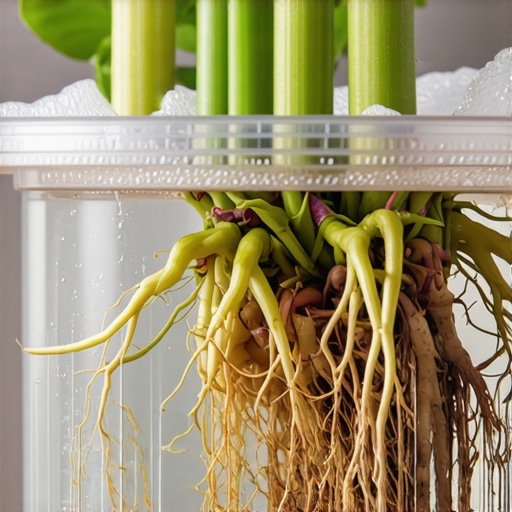
Identifying Root Aphid Infestations in Your Landscape
Root aphids are subterranean pests from the Phylloxera family that feed on plant fluids within the rhizosphere. Identifying them requires inspecting the root ball for white, waxy secretions and yellowing foliage that mimics nutrient deficiency or drought stress despite adequate irrigation. Unlike foliar aphids, these pests are often missed until the plant’s vascular system is compromised.
I recently dealt with a chemical nightmare where a homeowner in a panic torched their entire perennial border. They had spotted a few crawlers and decided to dump undiluted industrial-grade vinegar and high-nitrogen fertilizer directly onto the root zones. By the time I arrived, the soil pH was sitting at a caustic 3.5, and the delicate root hairs were literally melted. The aphids were still there, but the plants were dead. It was a $12,000 mistake that could have been avoided with a $5 bottle of 3% hydrogen peroxide and a bit of technical restraint. Soil chemistry isn’t a playground; it’s a balanced biological system that requires precision, not brute force.
“Managing root-feeding insects requires a shift from contact insecticides to systemic or cultural treatments that can penetrate the soil profile without destroying the soil’s microbial structure.” – USDA Agricultural Research Service
How do I know if my plants have root aphids?
To diagnose root aphids, you must dig. Look for white, powdery colonies on the exterior of the root mass. These are often mistaken for mealybugs or beneficial fungi like mycorrhizae. However, root aphids move. If you see tiny, pear-shaped insects about the size of a grain of sand attached to the roots, your landscaping is under attack. The foliage will typically appear stunted, yellow, or wilted, a direct result of the pests piercing the phloem and draining the plant’s energy reserves. Don’t just look at the leaves; look at the dirt.
The Science of the Hydrogen Peroxide Soak
A hydrogen peroxide (H2O2) soak works through a process of rapid oxidation which physically destroys the soft bodies of root aphids and their eggs on contact. Beyond pest control, the extra oxygen molecule in H2O2 (which breaks down into water and O2) provides an immediate oxygenation boost to the rhizosphere, which is often anaerobic in infested, over-watered soils. This helps the plant recover from root rot while simultaneously eradicating the pest population.
| H2O2 Concentration | Water Ratio | Intended Use | Frequency |
|---|---|---|---|
| 3% Standard | 1:4 (H2O2 to Water) | Active Infestation Soak | Once every 7 days |
| 3% Standard | 1:10 (H2O2 to Water) | Preventative Maintenance | Monthly |
| 35% Food Grade | 1.5 tsp per gallon | Professional Remediation | Bi-weekly |
Precision is mandatory. If the solution is too weak, the aphids survive. If it is too strong, you oxidize the root tissue itself, causing permanent damage. Most residential yard cleanup efforts fail because homeowners guess at measurements. Use a graduated cylinder. Measure the volume. Ensure the soil is slightly damp before application to prevent the solution from channeling through dry cracks and missing the colonies.
How much modified gravel do I need for a patio base?
While discussing soil health, many homeowners ask about hardscaping drainage. For a standard sod install or patio project, you need a minimum of 4 to 6 inches of compacted modified gravel (2A or CR617) to prevent hydrostatic pressure from shifting your work. This base must be vibratory-tamped in 2-inch lifts. If your base is soft, your drainage will fail, leading to stagnant water pockets that actually attract moisture-loving pests like root aphids.
Step-By-Step H2O2 Application Protocol
To successfully execute a hydrogen peroxide soak, follow this engineering-grade checklist to ensure total saturation without plant shock.
- Clear the Surface: Perform a thorough yard cleanup around the base of the plant, removing mulch volcanoes and debris that could harbor winged adults.
- Calculate Volume: Determine the root zone diameter. You need enough solution to saturate the top 6-8 inches of soil.
- Mix the Solution: Combine one part 3% H2O2 with four parts dechlorinated water. Chlorine can react with the peroxide and reduce its efficacy.
- Saturation: Pour the solution slowly around the drip line. The soil should bubble slightly; this is the oxidation process occurring.
- Post-Soak Flush: Wait 20 minutes, then lightly water with clean water to help distribute the oxygenated molecules deeper into the rhizosphere.
- Monitor pH: Check the soil pH 48 hours later. H2O2 is relatively neutral but the death of organic matter can cause temporary spikes.
Root aphids aren’t just a nuisance; they are a systemic failure of your irrigation and soil management. Over-watering creates the damp, low-oxygen environments where these pests thrive. If your landscaping beds don’t drain within an hour of a heavy rain, you aren’t just growing plants; you’re farming aphids. You must fix the soil grading first. Without proper drainage, any chemical treatment is just a temporary bandage on a gangrenous wound.
“A retaining wall doesn’t fail because of the stone; it fails because of the water trapped behind it, and a plant doesn’t fail because of the bug; it fails because the soil environment allowed the bug to win.” – Hardscape Engineering Axiom
Will hydrogen peroxide kill beneficial soil microbes?
Yes, H2O2 is a non-selective oxidizer. It will kill beneficial bacteria and fungi along with the aphids. However, in an infestation scenario, the risk of total plant loss outweighs the temporary loss of microbial life. After the aphid population is eradicated, you must re-inoculate the soil with a high-quality compost tea or mycorrhizal additive. This is part of the sod install and long-term maintenance philosophy: destroy the pathogen, then rebuild the ecosystem. It is a calculated trade-off.
Preventing Re-Infestation in 2026
Long-term control of root aphids depends on integrated pest management (IPM) and structural yard integrity. This includes managing irrigation schedules to allow the top two inches of soil to dry out between cycles. Many automated systems are set to “over-kill” mode, keeping the soil perpetually saturated. This is a death sentence. Use a soil moisture meter. Check the psi of your irrigation lines to ensure even distribution. A dry surface layer acts as a physical barrier to the winged morphs of aphids looking to deposit eggs. Don’t be a lazy gardener. Walk the site. Smell the soil. If it smells like a swamp, the aphids are coming. Fix the grade. Clear the debris. Maintain the biology. It’s that simple.