
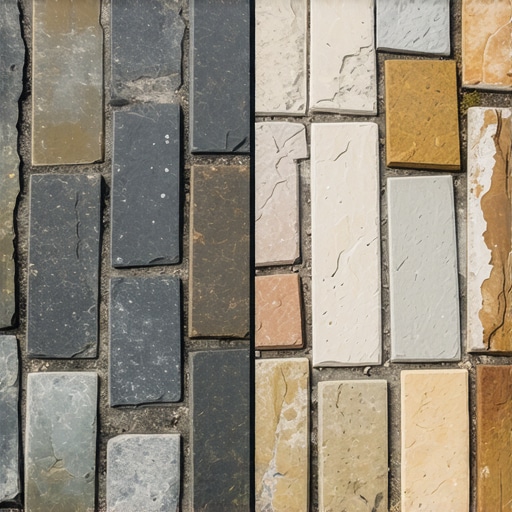
The surface looks like a bone-dry creek bed. What used to be a deep charcoal or terracotta patio is now a chalky, washed-out expanse of gray. When you run your hand across the stone, a fine white powder clings to your skin. That is not just dirt. It is the result of years of UV radiation breaking down the iron oxide pigments in your concrete pavers. If your hardscape looks dead, it is likely because the previous installer skipped the critical step of sealing or used a cheap, water-based DIY product that evaporated within a season. Restoring these pavers to a professional wet-look finish requires more than a garden hose. It requires a forensic understanding of stone chemistry and a meticulous mechanical cleaning process. This guide breaks down the engineering behind paver restoration for the 2026 season.
The Hardscape Autopsy: Why This Patio Failed
Restoring sun-faded pavers involves removing deep-seated oxidation and efflorescence using specialized acidic cleaners before applying a high-solids, solvent-based acrylic sealant that penetrates the pores to enhance color and lock in joint sand. This process ensures a durable, darkened finish that resists future UV damage and chemical staining.
I recently got called out to tear up a $30,000 patio that was sinking because the previous contractor ignored the base layer and didn’t bother to seal the surface. The pavers were only four years old, but they looked forty. The homeowner thought they needed a full replacement. After a quick inspection, I realized the structural integrity was mostly there, but the surface was suffocating under a layer of calcium carbonate and biological growth. The drainage was poor, leading to hydrostatic pressure that pushed salts to the surface. We didn’t tear it out. We performed a forensic restoration. We fixed the grading, cleaned the substrate, and applied a professional-grade wet-look sealant. It saved them $20,000. But if they had waited another year, the spalling would have been terminal.
“A retaining wall doesn’t fail because of the stone; it fails because of the water trapped behind it.” – Hardscape Engineering Axiom
How long does wet look sealer last on pavers?
A high-quality solvent-based sealant typically lasts 3 to 5 years depending on UV exposure and foot traffic. Water-based alternatives often fail within 18 months in harsh climates. You will know it is time to reseal when water no longer beads on the surface or when the color begins to appear flat. Do not over-apply. Excess layers cause a white film called blushing.
The Chemistry of Sun-Fading and Efflorescence
Concrete pavers are colored with mineral pigments. UV rays hit the surface and break the chemical bonds of these pigments. This is called photodegradation. Simultaneously, moisture moves through the concrete, dissolving internal salts. As the water evaporates, it leaves behind a white crust known as efflorescence. You cannot seal over this. If you do, you are just laminating a failure. You must use an efflorescence remover, typically a phosphoric or glycolic acid solution, to open the pores of the concrete. This is a technical step. If the acid is too strong, you will etch the aggregate. If it is too weak, the sealant will not bond. We aim for a pH-neutral surface before the first drop of resin hits the stone.
Preparation: The Yard Cleanup and Cleaning Phase
Before you even touch a sealant brush, your yard cleanup must be surgical. Any organic debris, leaf tannins, or grass clippings trapped under the sealant will rot and create brown spots that are permanent. If you are planning a sod install, do it after the pavers are sealed to avoid getting mud on the fresh resin. However, you must ensure your irrigation system is flagged and off. Over-spray from a sprinkler on a fresh coat of acrylic is a disaster. It causes the sealant to emulsify and turn milky white.
| Sealant Type | Solids Content | Longevity | Best Use Case |
|---|---|---|---|
| Solvent-Based Acrylic | 20-30% | 3-5 Years | Maximum color enhancement and UV protection. |
| Water-Based Acrylic | 10-15% | 1-2 Years | Low odor, environmentally sensitive areas. |
| Penetrating Silane | N/A | 5-7 Years | Natural look, no gloss, maximum salt protection. |
Can you put wet look sealer on old pavers?
Yes, but the preparation is twice as difficult as new installs. You must remove all old, failing sealants using a chemical stripper first. If you apply a new solvent-based sealer over an old water-based one, the chemicals will react and create a sticky, gummy mess that requires professional grinding to remove. Always test a small patch first.
The Restoration Checklist
- Pressure wash with a 25-degree tip at 3500 PSI to clear joints.
- Apply acid-based efflorescence remover to open concrete pores.
- Rinse and neutralize the surface pH.
- Replace lost joint sand with high-performance polymeric sand.
- Wait for 24 hours of zero percent humidity.
- Apply sealant using a 1/2 inch nap solvent-resistant roller.
Professional Application Mastery
The secret to the wet look is the refractive index of the resin. A high-solids acrylic fills the microscopic voids on the paver surface. When light hits the sealed surface, it doesn’t scatter; it reflects, which our eyes perceive as deeper, darker color. We apply in thin, even coats. If you pool the sealant, it will peel. We use a