The Best Way to Transition from Sod to an Existing Lawn

The Best Way to Transition from Sod to an Existing Lawn

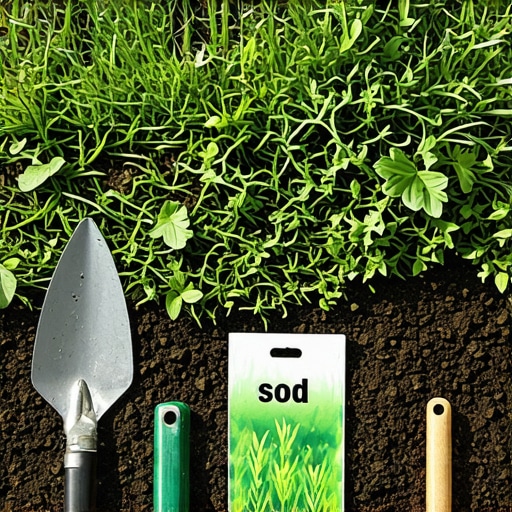
The Blueprint Phase: Why 80% of Successful Sod Integration Happens Before Delivery To successfully transition from sod to an existing lawn, you must prioritize vertical edge cutting, organic soil blending, and precision irrigation calibration. This involves creating a physical bridge between the new Kentucky Bluegrass or Fescue and the dormant soil biology of the old … Read more

Why Your New Sod Is Lifting at the Corners

Why Your New Sod Is Lifting at the Corners

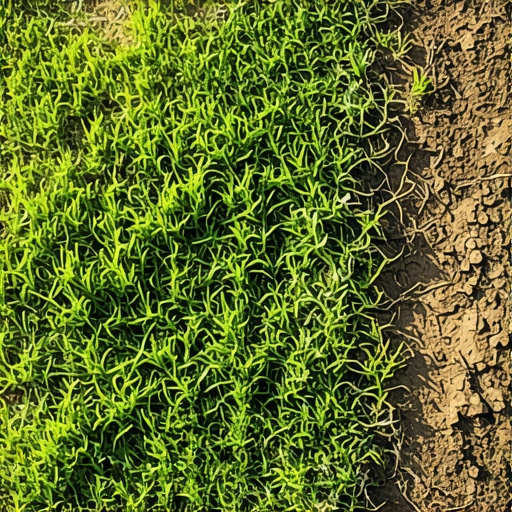
The Anatomy of Root Failure: Why Corners Curl When new sod lifts at the corners, it is almost always a result of root desiccation caused by poor soil contact, improper edge tucking, or uneven irrigation coverage. This creates a lethal air pocket that prevents the xylem from transporting water, leading to rapid blade browning and … Read more

The Watering Schedule That Stops New Sod from Rotting

The Watering Schedule That Stops New Sod from Rotting

The Anatomy of a Failed Sod Installation Stopping new sod from rotting requires a gradual reduction in irrigation frequency coupled with an increase in duration to promote deep root penetration while preventing anaerobic soil saturation. Most failures occur because homeowners maintain swamp conditions beyond the initial 72-hour knit-down period. I always drill into my new … Read more

How to Prep Your Soil So New Sod Knits Within a Week

How to Prep Your Soil So New Sod Knits Within a Week

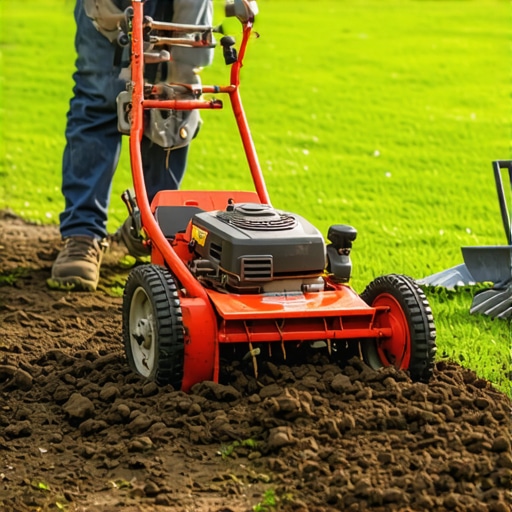
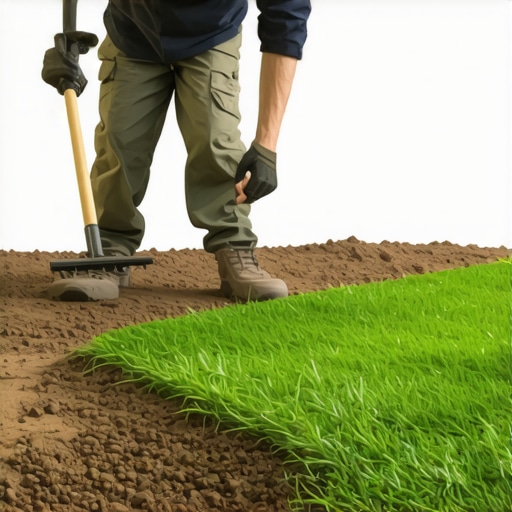
The Science of Root-to-Soil Interface To ensure new sod knits within seven days, you must focus on capillary action and root-to-soil contact by preparing a 6-inch tilled soil bed amended with organic matter and balanced to a pH of 6.5. This foundation allows adventitious roots to penetrate the soil interface immediately without encountering bulk density … Read more

Fixing 2026 Sod Gaps with Peat Moss and Sand Mix

Fixing 2026 Sod Gaps with Peat Moss and Sand Mix

Diagnosing Failed Turf Joints and Edge Dessication Sod gaps occur when individual turf rolls lose moisture and shrink, often due to poor butt-jointing during the initial sod install or inadequate sub-soil contact. To remediate these 2-inch chasms in 2026, professionals use a high-density 70/30 masonry sand and sphagnum peat moss mix to restore capillary action … Read more