
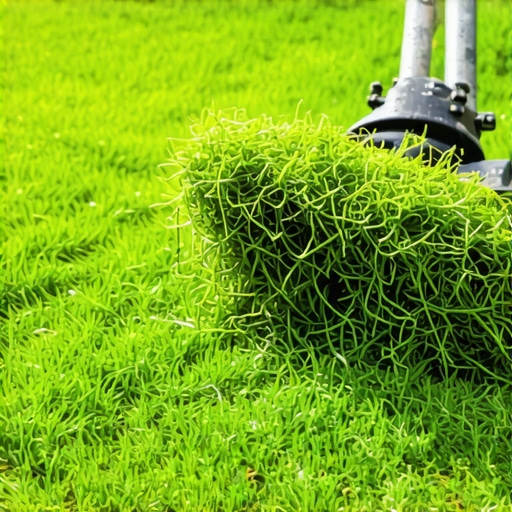
The Forensic Autopsy of a Dying Lawn
The ground feels like a slab of cured concrete. You see thinning patches where the fescue once thrived. You observe water pooling on the surface instead of infiltrating the root zone. This is the visual autopsy of a compacted lawn. Soil compaction occurs when the macropores in your soil collapse, suffocating the microbiology and preventing gas exchange. If you ignore this structural failure in Spring 2026, your yard cleanup and irrigation efforts will be wasted. Soil compaction is the primary cause of turf decline, characterized by high bulk density and reduced hydraulic conductivity. Mechanical core aeration is the only remediation that physically removes soil plugs to restore the oxygen-to-water ratio in the rhizosphere, allowing for lateral root expansion. It is the foundation of any professional landscaping program.
I always drill into my new crew members: if you don’t fix the soil grading and compaction first, every plant you put in the ground is just expensive compost. I have seen guys spend $5,000 on high-end sod install projects only to watch the turf rot from the bottom up because the soil was too tight for the roots to penetrate. We do not just toss seeds or lay sod on a hard surface. We engineer the soil to breathe. If the soil cannot breathe, the grass dies. It is that simple. Don’t be the homeowner who buys the most expensive irrigation system just to have the water run off into the gutter.
The Engineering of Core Spacing and Density
Core spacing determines the effectiveness of the gas exchange and the speed at which your soil structure recovers from compaction. Standard professional aeration targets 20 to 40 cores per square foot to achieve significant reduction in bulk density. Using a 2×2 inch spacing pattern ensures that at least 5 percent of the surface area is opened, providing immediate relief to the root system. Anything less is just poking holes in the dirt. It does nothing for long-term health.
“Core aeration is essential for managing thatch and soil compaction in high-traffic turfgrass areas. Removing soil cores of 0.5 to 0.75 inches in diameter is the most effective method for increasing oxygen levels in the soil profile.” – Penn State Center for Turfgrass Science
How deep should aeration cores be?
To be effective, aeration cores must reach a depth of at least 3 to 4 inches. This depth bypasses the thatch layer and enters the actual soil profile where the root system resides. Shorter tines only disturb the surface and fail to address the deeper compaction layers caused by heavy equipment or years of foot traffic. Most big-box store rental units fail here. They are too light to penetrate the clay. They just bounce. Professional grade, cam-driven aerators are heavy for a reason. They force the tines down. You need that weight to get the depth.
| Aeration Pattern | Cores Per Sq Ft | % Surface Area Opened | Impact on Compaction |
|---|---|---|---|
| 2×2 inch spacing | 36 | 7.2% | High – Recommended for Clay |
| 3×3 inch spacing | 16 | 3.2% | Moderate – Maintenance Only |
| 4×4 inch spacing | 9 | 1.8% | Low – Insufficient for Recovery |
Integrating Yard Cleanup with Spring Aeration
Aeration is the bridge between a messy winter yard and a functional spring landscape. A proper yard cleanup must occur prior to aeration to ensure the tines make clean contact with the soil without being obstructed by leaf litter or debris. Once the cores are pulled, the soil is primed for nutrient uptake, making it the ideal window for fertilization. Do not skip the cleanup phase. If you aerate over a layer of wet leaves, you are just pushing organic rot into the holes. This creates fungal issues later in the season. You must clear the deck first.
Irrigation management is the next critical step. After we pull cores, the soil’s surface area increases significantly. This means your lawn will dry out faster if you do not adjust your watering schedule. We recommend a deep, infrequent watering cycle. Aim for one inch of water per week, delivered in two sessions. This forces the roots to chase the moisture down into the new holes we just created. It builds a deeper, more resilient root system. Shallow daily watering is a recipe for disaster. It keeps the roots near the surface where they will bake in the summer heat.
When is the best time for Spring 2026 aeration?
Timing is everything in horticulture. You want to aerate when the grass is in its peak growth phase. For cool-season grasses, this is the window when soil temperatures hit 50 to 60 degrees Fahrenheit. If you aerate too early, the grass is dormant and cannot heal the holes. If you wait too long, the heat of June will stress the exposed root zones. We monitor soil thermometers, not the calendar. In 2026, we expect this window to open in late March or early April depending on the frost line recession.
The Critical Role of Sod Installation and Soil Prep
If you are planning a sod install this spring, aeration is your best friend. Laying sod on compacted soil creates a barrier known as a soil interface layer, which prevents roots from knitting into the native ground. Aerating the sub-base before installation breaks this tension and allows for seamless root integration and better moisture transition. I have seen too many DIY sod projects fail because they treated the ground like a floor. It is a living filter. Treat it like one.
- Mark all irrigation heads and underground utilities (811) before the machine hits the dirt.
- Ensure the lawn is moist but not saturated. Dry clay is like stone.
- Leave the cores on the lawn. They contain beneficial microbes and will break down in 10 to 14 days.
- Apply a high-quality phosphorus-rich starter fertilizer immediately after aerating.
- Top-dress with a thin layer of compost if your organic matter is below 3 percent.
“Soil physical properties, particularly pore space and bulk density, dictate the success of any perennial planting or turf installation.” – USDA Soil Quality Institute
How much modified gravel do I need for a patio base?
While we are talking about soil and drainage, remember that hardscaping requires the same attention to the ground. For a standard patio, you need a minimum of 4 to 6 inches of compacted modified gravel (2A or CR6). If your soil is heavy clay, you may need a geotextile fabric between the soil and the gravel to prevent the stone from sinking into the mud over time. Never skip the compaction of the sub-base. A patio is only as good as the dirt it sits on. Use a plate compactor. Do not hand-tamp a large area. You will regret it when the pavers start to shift after the first heavy rain.
Mechanical aeration is not a luxury. It is a biological necessity for any property owner who values the structural integrity of their landscape. In Spring 2026, focus on the core spacing. Demand at least 20 holes per square foot. Ensure the tines reach the sub-soil. If your contractor cannot tell you the PSI or the weight of their machine, hire someone else. Your soil is the most expensive asset you own. Protect it from compaction. Feed the microbiology. The grass will follow the oxygen. It always does.